Hong Kong's medical establishment is panicking.
When cross-border transit opened wide, thousands of Hong Kong residents did something unthinkable to local dental associations: they voted with their feet. Every weekend, thousands board the high-speed rail, cross the border into Shenzhen, and pay a fraction of the cost for routine cleanings, root canals, and implants.
Now, local authorities and media outlets are launching a coordinated fear campaign about Mainland clinics. They highlight regulatory differences, harp on quality concerns, and demand strict oversight on cross-border medical marketing.
It is classic incumbent protectionism disguised as patient safety.
The media framing suggests Hong Kong patients are naive victims being lured across the border by aggressive marketing and unsafe practices. That premise is fundamentally broken. Consumers are not stupid. They are making a rational economic decision in response to a heavily protected, artificially constrained domestic market that has priced out the middle class.
The Local Shortage Cartel
For decades, the Hong Kong dental market has operated like an exclusive club. Strict licensing limits, rigid quota caps on foreign-trained dentists, and severe restrictions on practice structures have kept supply artificially low.
What happens when you throttle supply while demand grows? Prices skyrocket.
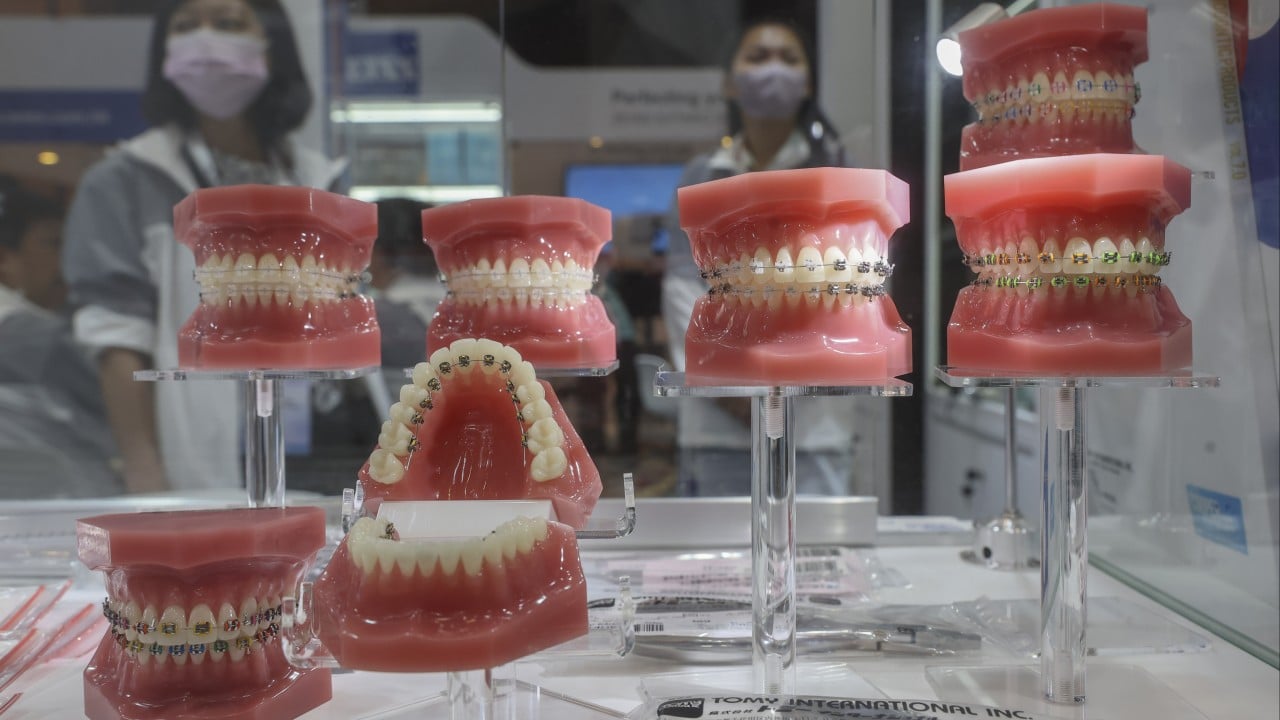
A single dental implant in Hong Kong routinely costs anywhere from HK$20,000 to HK$35,000. Walk into a top-tier, private dental hospital in Shenzhen—facilities equipped with modern 3D imaging, digital surgical guides, and European-imported hardware—and that exact same procedure runs between HK$6,000 and HK$10,000.
Local trade groups want you to believe that price gap represents a drop in clinical standards. Having spent years analyzing healthcare supply chains across East Asia, I can tell you the real driver is far simpler: real estate overhead, excessive margins, and an intentional labor bottleneck.
| Factor | Hong Kong Private Clinics | Shenzhen Mega-Clinics |
|---|---|---|
| Real Estate Cost | Extreme (30–40% of overhead) | Moderate (Scale efficiency) |
| Dentist Supply | Heavily restricted by local council | Large pool of university graduates |
| Equipment Tech | Standard to high | Cutting-edge (Fast capital turnover) |
| Average Implant Cost | HK$20,000 – $35,000 | HK$6,000 – $10,000 |
Mainland mega-clinics operate on massive volume. They purchase hardware directly from global manufacturers at bulk discounts that individual Hong Kong practices could never dream of negotiating. They amortize expensive diagnostic equipment across tens of thousands of patients a year, rather than a few hundred.
The idea that cheap automatically equals dangerous is a comforting lie local practitioners tell themselves to sleep at night.
The Safety Narrative Is a Double Standard
Is cross-border care risk-free? Of course not.
If a procedure goes wrong in Shenzhen, a Hong Kong resident faces complex legal hurdles to seek recourse. Jurisdictional boundaries make medical malpractice claims difficult. Follow-up care requires another trip across the border. These are legitimate drawbacks, and any patient ignoring them is being reckless.
But let us stop pretending Hong Kong’s internal market is flawless.
Local regulatory bodies protect their own fiercely. Disciplinary proceedings against domestic practitioners can drag on for years behind closed doors. Furthermore, price transparency in Hong Kong clinics is notoriously opaque. Patients often face hidden fees, add-on costs for basic X-rays, and unpredictable billing structures.
Mainland chains, competing in a hyper-aggressive market, have been forced to adopt transparent, fixed-menu pricing to survive. They publish their rates online, offer itemized estimates upfront, and compete openly on customer service.
Hong Kong regulators are not suddenly worried about patient welfare out of pure benevolence. They are worried because the domestic monopoly is leaking capital at an unsustainable rate.
Address the Root Cause or Get Left Behind
When a consumer chooses to spend two hours on a train to get a root canal, it is not a failure of consumer awareness. It is a massive market failure of the home territory.
Scrutinizing Mainland clinics and attempting to clamp down on cross-border advertising will not fix Hong Kong's internal crisis. It is a band-aid on a bullet wound.
If the Hong Kong authorities genuinely care about patient health and financial well-being, the playbook is obvious:
- Dismantle the labor bottleneck: Rapidly expand recognition for accredited, foreign-trained dentists to increase local supply.
- Enforce price transparency: Mandate clear, publicly accessible pricing schedules for all domestic private dental practices.
- Encourage scale: Modernize rules around clinic ownership to allow efficient, multi-specialty group practices that lower patient costs.
Until the local market adapts to modern economic realities, patients will keep boarding the train. Protectionist warnings will not stop a family from saving tens of thousands of dollars on essential healthcare.
Stop trying to scare patients into paying local monopoly rents. Fix the market at home, or watch your customer base vanish across the border for good.