Stop talking about "global standing." It is a hollow metric used by bureaucrats to mask a lack of direction. When the Financial Secretary urges Hong Kong to enhance its position amid shifting geopolitics, he is reciting a script from 1998 that no longer fits a 2026 reality. The world hasn't just shifted; the floor has dropped out.
The standard narrative suggests that if Hong Kong just polishes its image, builds a few more family office hubs, and "bridges" the East and West, the capital will flow back as it did during the golden era of the Hang Seng. This is a delusion. You cannot be a bridge when both shores are actively pulling away from the structure.
The Bridge is Burning and That is a Good Thing
For decades, Hong Kong’s value proposition was its neutrality—a safe harbor with British-style rule of law and mainland Chinese growth. That neutrality is dead. In a world defined by "friend-shoring" and ideological decoupling, being in the middle doesn't make you a connector; it makes you a target for both sides.
The West views the city through the lens of the National Security Law, while the Mainland increasingly views it as a specialized, yet subservient, financial node. Trying to "enhance global standing" by pleasing everyone is how you end up pleasing no one.
I have watched firms spend tens of millions on "rebranding" campaigns to convince New York and London investors that nothing has changed. It is a waste of money. Everything has changed. The smart move isn't to fix the old bridge. It’s to realize that Hong Kong’s future isn't as a neutral mediator, but as the premier offshore capital laboratory for the Global South.
Stop Chasing the West
The "lazy consensus" in the latest policy addresses focuses heavily on regaining Western institutional confidence. This is a sunk cost. BlackRock and Vanguard aren't staying away because of a lack of "outreach" or marketing. They are responding to geopolitical risk mandates from Washington. No amount of gala dinners in Central will change a compliance officer’s mind in Manhattan when the US Treasury is drawing lines in the sand.
Instead of begging for a seat at a table that is being folded up, Hong Kong needs to aggressively pivot toward the regions that actually need its infrastructure: Southeast Asia, the Middle East, and the BRICS+ ecosystem.
The expertise in Hong Kong isn't just "finance." It’s the ability to wrap Chinese assets in a package that the rest of the world can digest. If the West refuses to eat, there are four billion people in the Global South who are starving for sophisticated financial products.
The Family Office Myth
The government’s obsession with attracting family offices is another example of chasing the wrong KPI. Having a thousand billionaires park their wealth in a skyscraper doesn't create a resilient economy. It creates a stagnant pool of capital that sits in passive ETFs or luxury real estate.
Real growth comes from liquidity and risk-taking. Hong Kong used to be a place where people came to get rich, not just to hide their riches. By focusing on "wealth management" for the ultra-wealthy, the city is turning into a high-end vault. Vaults are secure, but they aren't vibrant.
If we want to disrupt the current trajectory, we should be turning the city into a sandbox for tokenized real-world assets (RWA) and programmable money. While the US SEC fumbles with crypto regulation and the EU gets bogged down in MiCA bureaucracy, Hong Kong has the legal framework to actually lead. But you can't lead if you're constantly looking over your shoulder to see if the "global standing" metrics are improving.
The Talent War is Being Won by the Wrong Side
Every official statement mentions "attracting global talent." Yet, the focus remains on high-level executives. This is backwards. You don’t need more Managing Directors; you need more builders who are comfortable with the friction of the new era.
The current "Top Talent Pass Scheme" is a glorified visa filter. It values degrees from top universities over actual output. I’ve seen companies hire Ivy League grads who can’t navigate the complexities of the Greater Bay Area (GBA) integration. Meanwhile, the scrappy engineers from Shenzhen and the fintech disruptors from Jakarta are looking at Singapore because Hong Kong feels too much like a museum of its own past.
Hong Kong needs to stop acting like a premium brand and start acting like a startup. Startups don't care about "global standing." They care about market share and utility.
Dismantling the "Super-Connector" Premise
The term "Super-Connector" is the most overused, least understood phrase in the city’s lexicon. It implies a passive role. A waiter is a connector between the kitchen and the table, but the waiter doesn't own the restaurant.
If Hong Kong remains a mere connector, it will be bypassed as soon as the Mainland develops its own direct pipes to global markets—which it is doing rapidly via the digital yuan (e-CNY) and CIPS. To survive, the city must become a "Financial Architect."
An architect doesn't just pass things through; they build the structures. This means:
- Debt Markets: Creating a deep, liquid bond market for Belt and Road projects that isn't dependent on US dollar clearing.
- Specialized Insurance: Becoming the global hub for political risk insurance for companies operating in volatile emerging markets.
- Arbitration: Doubling down on being the legal venue of choice for non-Western trade disputes.
The Cost of Transparency (and the Price of Secrecy)
Here is the uncomfortable truth: Hong Kong’s advantage was always its "grey area" status. It was the place where the rigidities of the Mainland met the openness of the West. As the world balkanizes, that grey area is shrinking.
The push for "transparency" to satisfy Western regulators often ends up stripping Hong Kong of the very flexibility that made it useful to the Mainland. We are trying to play by a set of rules that our primary competitors (and our primary backers) are increasingly ignoring when it suits them.
Is there a downside to this contrarian pivot? Absolutely. Embracing a "Global South First" strategy risks further alienation from the G7 financial system. It could lead to more sanctions or lower rankings in traditional "Ease of Doing Business" indices. But the alternative is a slow, polite decline into a regional branch office.
Stop Asking if Hong Kong is Still "International"
The question itself is flawed. "International" has become code for "Western-centric."
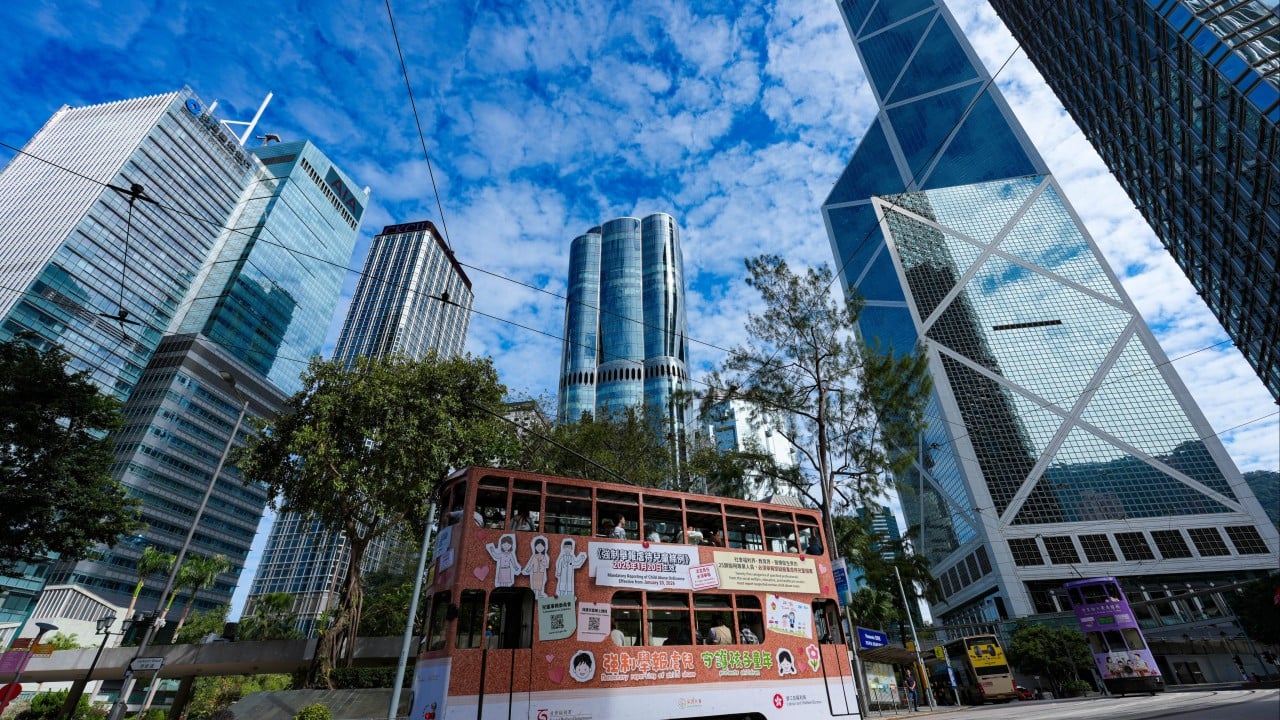
If you walk through Tsim Sha Tsui or Central and don't see the shift, you aren't looking. The capital is coming from different places. The languages in the boardrooms are changing. The "standing" that the Finance Chief wants to enhance is a ghost.
Hong Kong shouldn't try to be the "World’s City" in the way New York is. It should try to be the capital of the New Economy—the one that exists outside the dollar hegemony. That requires a level of aggression and risk-taking that is currently absent from the polite, bureaucratic calls for "enhancement."
We don't need a "Global Standing" boost. We need a fundamental pivot to reality. The old world isn't coming back to save us.
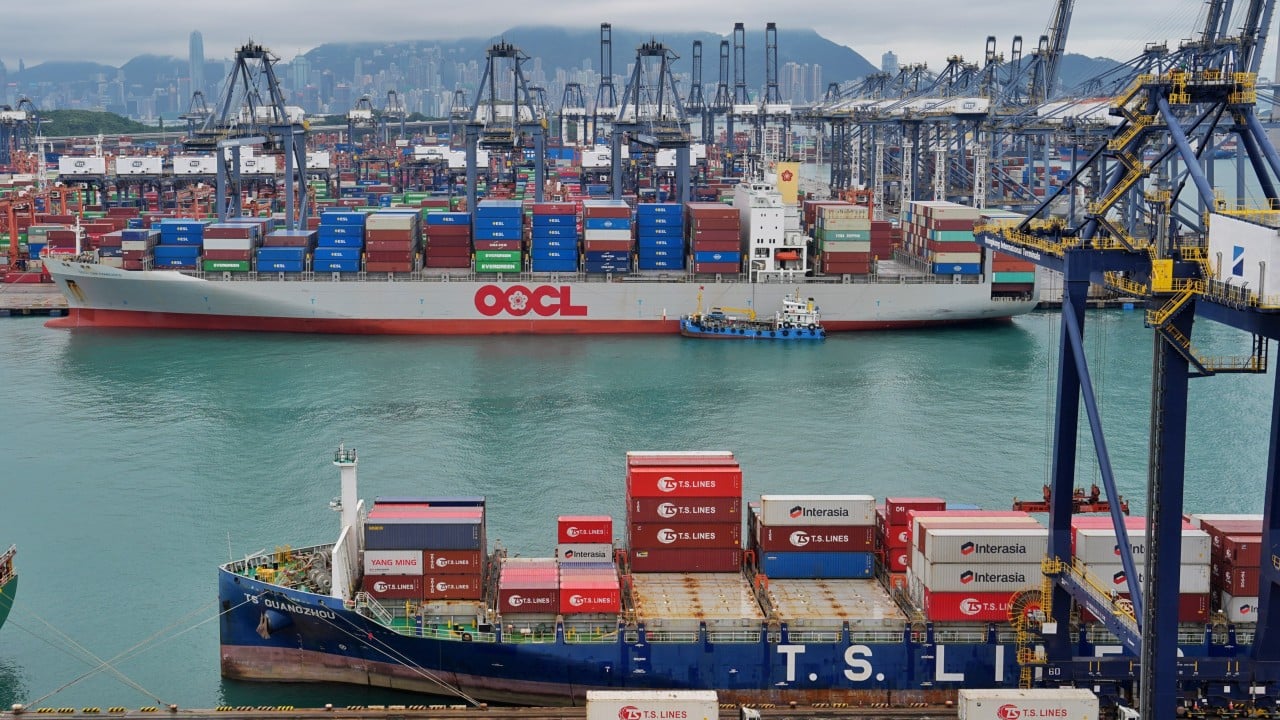
Forget the bridge. Build the port for the ships that are actually sailing.