We are watching a generation lose their distance vision in real time, and most parents have no idea how fast it's happening.
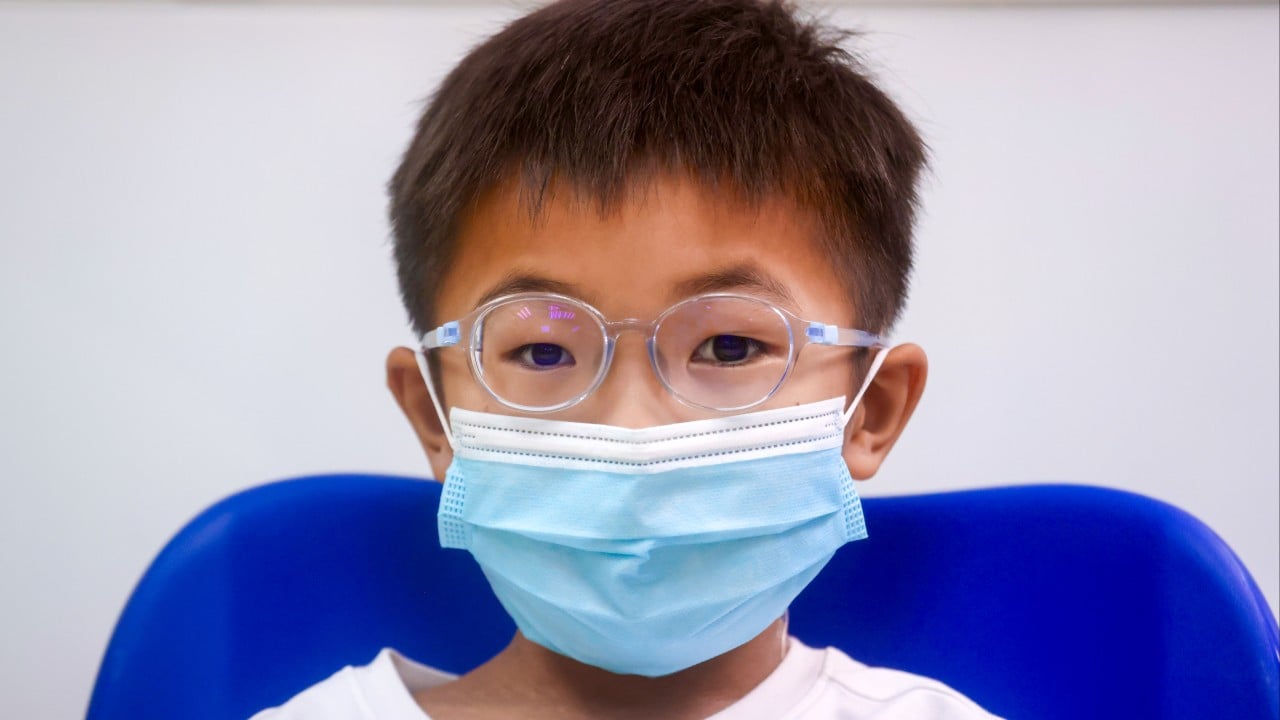
By the year 2028, experts warn that roughly sixty-six percent of eight-year-olds in Hong Kong could be short-sighted. Think about that for a second. Two out of every three children barely old enough for third grade might need glasses just to see the chalkboard. This isn't just about inconvenience or buying thicker lenses. High myopia sets kids up for severe eye diseases later in life, including retinal detachment and glaucoma. If you enjoyed this article, you should read: this related article.
If you think this is just an Asian problem or a minor screen-time issue, you're missing the bigger picture. The exact same lifestyle shifts driving the Hong Kong myopia crisis are happening in kitchens, living rooms, and classrooms all over the world.
The Numbers Don't Lie
Let's look at what changed. A few decades ago, severe childhood nearsightedness wasn't nearly this common. Back then, kids spent hours outside playing street games, riding bikes, and staring at horizons. Their eyes got plenty of natural sunlight and plenty of practice focusing on things far away. For another angle on this story, check out the recent coverage from WebMD.
Today, life looks completely different. Academic pressure kicks in before kindergarten. Tutoring starts early. Instead of running around a park, children sit indoors under fluorescent lights, staring at tablets, phones, and schoolbooks for hours on end.
Clinical studies tracking pediatric eye health show a massive spike in myopia rates over the last ten years. Researchers point directly to the lack of outdoor time and the explosion of near-work habits. When a child's eyes spend all day locked onto something twelve inches from their face, the eyeball actually changes shape. It elongates. Once that happens, light doesn't focus correctly on the retina anymore.
Why Early Childhood Matters So Much
The human eye grows rapidly during childhood. When a kid is eight years old, their visual system is still developing at a frantic pace. If you lock that system into a cycle of constant close-up focus and indoor confinement, the eye adapts to that environment by growing longer.
Here is the part that terrifies eye doctors: the earlier myopia starts, the worse it gets. A child who needs glasses at age six is on track to develop high myopia by the time they reach adulthood. High myopia means the prescription is so strong that the structural integrity of the eyeball is compromised.
Parents often brush off the first pair of glasses as a simple fix. You visit the optometrist, pick out some frames, and move on. But childhood myopia is a progressive medical condition, not just a minor annoyance. Treating it requires more than just updating a prescription every twelve months.
The Outdoor Solution We Keep Ignoring
You don't need a medical degree to understand the simplest defense against this crisis. Natural light.
Countless studies show a direct correlation between outdoor time and a lower risk of myopia. When children spend time outside, natural sunlight stimulates dopamine release in the retina. Dopamine stops the eye from elongating too fast. It acts as a natural brake on nearsightedness.
Kids need at least two hours outside every day. Not sitting on a porch with an iPad. Actually running around, playing, and looking at things in the distance.
Schools and parents in places like Hong Kong face an uphill battle because academic culture prizes indoor studying above almost everything else. Test scores matter. Homework loads are heavy. Cutting study time to let kids play outside feels counterintuitive to ambitious parents. But what good is a top-tier test score if your child develops permanent vision impairment by teenagerhood?
Practical Steps Every Parent Can Take
You can't change the entire education system overnight, but you can control what happens in your own home. Stop waiting for the school nurse to flag an issue during a routine check.
Take your kids for a comprehensive eye exam right now, especially if they squint while watching television, hold books too close to their face
Why Two Thirds of Eight Year Olds in Hong Kong Might Need Glasses Soon
health
We are looking at an impending public health crisis that most parents refuse to talk about until their child squints at the chalkboard for the very first time. By the year 2028, researchers project that roughly sixty-six percent of eight-year-olds in Hong Kong will face myopia. Two-thirds of a generation. Think about that for a second.
When children reach school age today, they aren't playing outside under the sun for hours. Instead, they are staring at screens, pouring over textbooks under fluorescent lights, and missing out on the one environmental trigger that protects developing eyes. Natural sunlight.
If you think this is just about buying a pair of thick lenses, you're missing the bigger picture. High myopia during childhood isn't just an inconvenience. It sets the stage for severe eye diseases later in life, including retinal detachment, glaucoma, and irreversible vision loss.
The Screen Time Trap Nobody Wants to Fix
Every parent knows the battle. You hand your child a tablet to get dinner cooked in peace, or you watch them hunch over a smartphone during a long car ride. We justify it because the world runs on digital tools. But eyes built for hunting and gathering are failing under the weight of endless digital consumption.
The mechanism is straightforward. When a child's eye focuses on close-up objects for hours on end during its growth phase, the eyeball actually elongates. Once that physical change happens, you can't reverse it.
You hear a lot of people talking about blue light blockers, but honestly, that is mostly a marketing distraction. The real culprit isn't blue light. It is a lack of distance viewing and a total absence of outdoor light exposure.
Take a look at what clinical optometrists see on a daily basis. Kids as young as five are coming in with prescriptions that used to belong to middle schoolers. Schools push academic rigor earlier and harder than ever before, leaving zero room for recess or open-air exploration.
How Natural Sunlight Changes the Game
Researchers studying vision health across East Asia noticed a fascinating trend. Kids who spent at least two hours a day outside had significantly lower rates of myopia, even if they spent equal amounts of time reading books or using screens indoors.
Bright outdoor light stimulates the release of dopamine in the retina. Dopamine acts as a natural brake against the abnormal elongation of the eyeball.
You don't need a fancy scientific intervention to start helping your kids right now. You just need to change the daily routine.
- Swap out one hour of indoor screen time for an outdoor walk or park visit.
- Enforce the twenty-twenty-twenty rule during study sessions. Every twenty minutes, look at something twenty feet away for twenty seconds.
- Position study desks near windows to maximize natural ambient light exposure.
Overhauling the Classroom Environment
It isn't just up to parents. Schools must shoulder the blame and the responsibility. Traditional classrooms lock children indoors for eight hours a day, trapping them in artificial lighting while they cram information.
Institutions in places like Singapore and Hong Kong have experimented with outdoor classrooms. The results speak for themselves. Kids who spend more time outside during school hours maintain better visual acuity.
Yet, changing school infrastructure feels like moving mountains. Administrators worry about test scores, safety liabilities, and tight schedules. They treat physical education and outdoor play like optional luxuries rather than essential medical preventions.
If your child's school has minimal recess time, speak up. Ask the administration how many minutes per day kids actually spend outside in direct sunlight. Push back against the indoor-only culture.
What You Can Do Right Now
Stop waiting for government mandates or school board announcements. You control your household.
Schedule regular comprehensive eye exams with a qualified optometrist who specializes in pediatric care, rather than just grabbing a quick vision screening at a local pharmacy. Ask about myopia control lenses, orthokeratology overnight contacts, or low-dose atropine eyedrops if your child shows early signs of progression.
Protecting a child's sight requires active resistance against modern habits. Turn off the devices, open the front door, and send them outside.