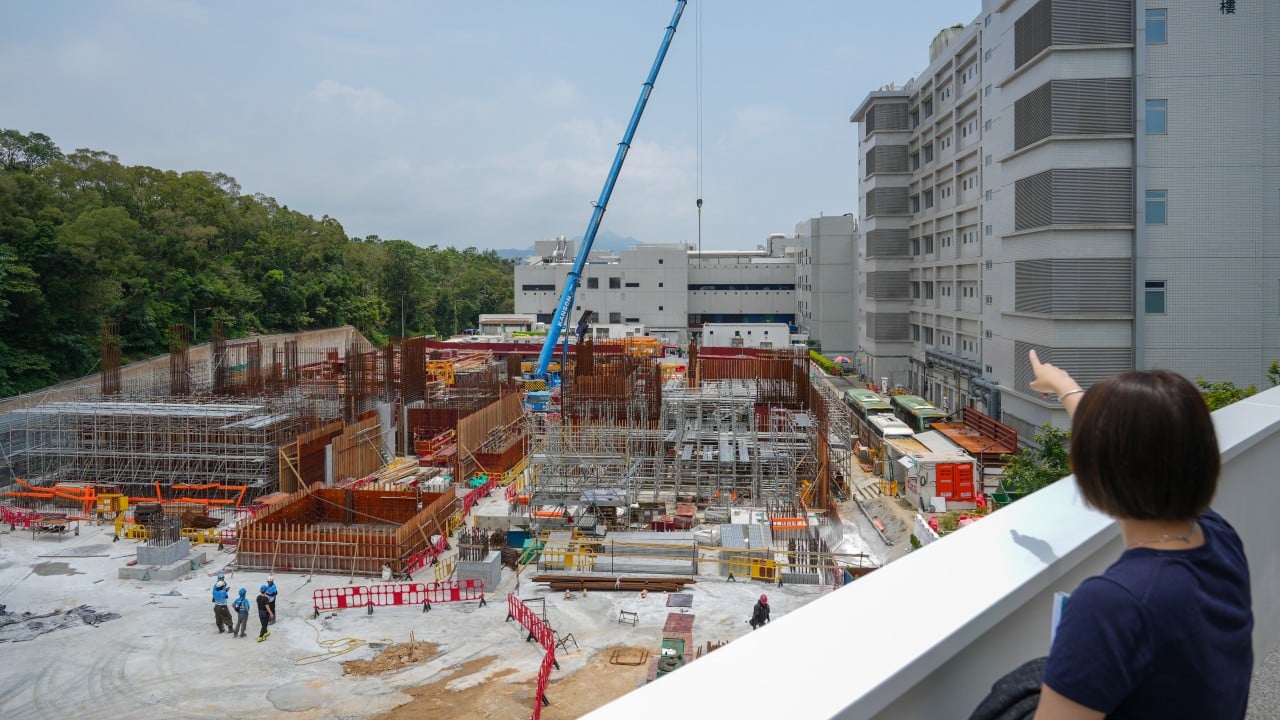
Hong Kong is finally building its third medical school. If you think this is just another slow-moving government project, you're missing the massive scale of what's happening right now. The institution has already quietly hired 300 teachers. That's a staggering number for a school that hasn't even opened its doors to students yet. The plan is to scale up fast, pushing the initial student intake up to 200 future doctors.
For years, the city relied exclusively on two heavyweights: the University of Hong Kong (HKU) and the Chinese University of Hong Kong (CUHK). But reliance bred vulnerability. Healthcare demands are skyrocketing. The population is aging faster than ever. Doctors are burned out, and public hospitals are constantly strained. This new medical school isn't just an administrative expansion. It's a calculated, aggressive attempt to fix a broken supply chain in healthcare.
The Massive Scale Behind the 300 Teacher Hiring Spree
Hiring 300 faculty members before day one sounds like overkill. It isn't. Medical education requires an incredibly low student-to-teacher ratio for clinical training, anatomy labs, and specialized ward rounds. You can't teach surgery or complex diagnostics in a crowded lecture hall.
The strategy here is obvious. By securing a massive roster of educators early, the school avoids the growing pains that usually plague new institutions. They are buying expertise upfront. This pre-hired faculty allows the school to hit the ground running, ensuring that the first batch of students receives an education that matches the established standard of HKU and CUHK immediately. It also gives the school the administrative bandwidth to handle the planned expansion to 200 students without diluting the quality of instruction.
Why An Intake of 200 Students Matters for Local Healthcare
Right now, the city faces a chronic deficit of medical professionals. The decision to target an intake of 200 students is a direct response to this crisis.
- Relieving Public Hospital Strain: More graduates mean more interns and residents entering the Hospital Authority pipeline, directly reducing the brutal shift hours currently enduring by junior doctors.
- Diversifying Medical Education: A third player breaks the long-standing duopoly, injecting fresh curriculum designs and training methodologies into the local ecosystem.
- Future-Proofing Against Aging Demographics: The city needs specialists in geriatrics, chronic disease management, and community care. This new school can design its clinical focus around these urgent needs from scratch.
Opening a new school is inherently risky. Critics often worry about maintaining high passing rates for licensing exams. However, by establishing a massive teaching foundation from the start, the institution minimizes the risk of producing underprepared graduates.
What This Means for Aspiring Medical Students
If you're trying to get into medical school, the game just changed. The admission landscape has been notoriously cutthroat, forcing many brilliant local students to head overseas to the UK or Australia. An extra 200 slots completely shifts the math.
Don't expect the entry requirements to suddenly become easy. The standards will remain exceptionally high to protect patient safety. But the sheer volume of new seats means the system will reject fewer top-tier candidates simply due to lack of space. If you're preparing your applications, look closely at the specific vision of this third school. They will likely favor adaptable candidates who are excited to be part of a pioneering cohort rather than those just looking for traditional prestige. Keep your grades immaculate, but start focusing heavily on demonstrating resilience and community-minded healthcare views in your interviews.