The maritime industry loves a good disaster. It justifies the surcharges. It keeps the spot rates bloated. Right now, the consensus from the "experts" is a predictable chorus of doom: if the Strait of Hormuz closes and then reopens, we are looking at months—maybe half a year—of logistical purgatory. They point to the Suez Canal blockage of 2021 as the blueprint for chaos. They talk about "vessel displacement" and "crew exhaustion" like they are insurmountable laws of physics.
They are wrong. If you found value in this piece, you might want to read: this related article.
The idea that global energy shipping would take months to recover from a Hormuz reopening is a myth sustained by legacy thinking and a fundamental misunderstanding of how modern, algorithm-driven fleet management actually functions. The "recovery tail" is an artifact of the past. If the Strait opens tomorrow, the crude starts flowing, and the logistics catch up faster than a hedge fund can dump its long positions.
The Suez Fallacy
Every analyst currently predicting a six-month recovery period is suffering from Suez Canal PTSD. When the Ever Given wedged itself into the sand, it created a literal physical wall. Hundreds of ships were trapped in a dead-end corridor with zero room to maneuver. For another angle on this event, refer to the latest update from Financial Times.
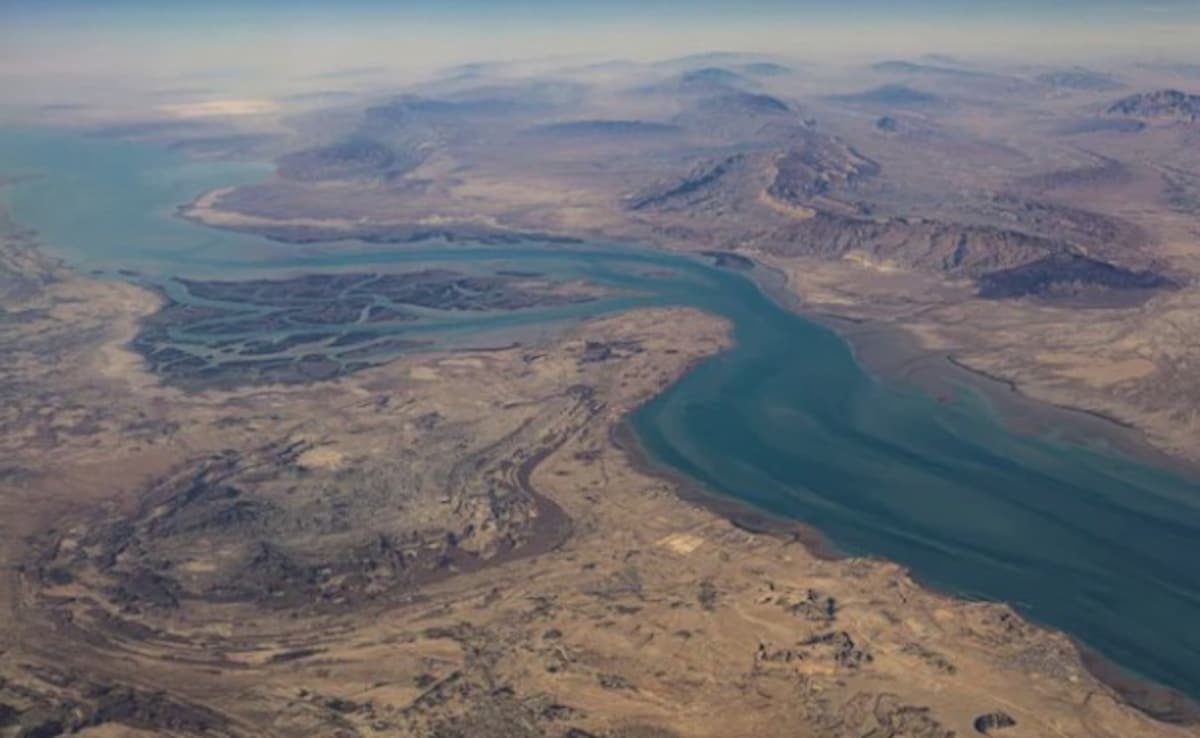
Hormuz is not a canal. It is a 21-mile-wide choke point.
When a canal closes, the queue is a rigid line. When a strait closes due to geopolitical tension, the "queue" is a dynamic, floating reserve of tonnage scattered across the North Arabian Sea and the Indian Ocean. Unlike the Suez crisis, where ships were physically stuck, tankers waiting for Hormuz are mobile, powered up, and ready to burn carbon.
The moment the risk premium drops and the "clear" signal is given, we aren't waiting for a tugboat to pull a mega-ship out of the mud. We are looking at a synchronized sprint.
The Algorithmic Efficiency Nobody Mentions
I have watched logistics directors at major oil firms waste millions by sticking to "traditional" scheduling during disruptions. They act as if we are still using telegraphs and paper charts. Today’s fleet is managed by predictive AI (the real kind, not the marketing fluff) and real-time telematics that can reroute an entire flotilla in seconds.
The bottleneck isn't the water. It’s the paperwork.
The industry argues that "vessel bunching" at discharge ports like Ningbo or Rotterdam will cause a three-month lag. This ignores the massive underutilization of secondary port capacity and the "slow-steaming" reserves currently in play. Most VLCCs (Very Large Crude Carriers) are currently operating at reduced speeds to save fuel. To clear a backlog, you don't need more ships; you just need the ones you have to stop crawling.
By increasing speed from 13 knots to 17 knots, a fleet effectively creates 30% more capacity out of thin air. The "months-long recovery" assumes a static speed that no rational operator would maintain in a high-demand recovery phase.
The LNG Ghost Fleet
Liquefied Natural Gas (LNG) is the favorite bogeyman of the "long recovery" crowd. They claim that because LNG requires specialized terminals and cryogenic handling, the backlog is permanent.
Let’s look at the data they ignore. The global LNG fleet has grown by over 100 vessels in the last few years. We are currently seeing a record number of ships used as "floating storage." These aren't ships waiting for a port; they are ships waiting for a price.
In a Hormuz reopening scenario, these floating storage units act as a massive shock absorber. While the "new" gas is being loaded in Qatar, the "old" gas already sitting in hulls off the coast of Singapore and Spain is released into the market. The supply chain doesn't "wait" for the Strait; it uses the buffer that already exists in the mid-stream.
The analysts talk about the supply chain as a garden hose. If you kink it, the water stops. In reality, the global energy trade is more like a series of interconnected reservoirs. Kinking the hose at Hormuz just changes the pressure levels in the tanks further down the line.
The Dark Fleet Variable
Here is the truth no one at the IMO (International Maritime Organization) wants to admit: the "Dark Fleet" doesn't care about your recovery timelines.
There are hundreds of aging tankers operating under shadow registries, moving sanctioned oil outside of standard Western insurance circles. These vessels do not follow the "safety protocols" that slow down the majors. When Hormuz reopens, the dark fleet will be the first through the gate. They will ignore the "recommended" spacing. They will push their engines to the redline.
By the time the "reputable" shippers have finished their three-week risk assessment meetings, the shadow fleet will have already moved millions of barrels. This "unregulated" surge flattens the recovery curve. It’s messy, it’s dangerous, and it’s exactly why the official predictions of a "slow, methodical recovery" are a fantasy.
Why the "Experts" Want You to Believe in the Lag
If you are a shipping line, a "protracted recovery" is the best news you can receive. It allows you to:
- Maintain Force Majeure: You can dodge contractual obligations while blaming "the situation."
- Keep "Congestion Surcharges" Active: These fees are pure profit. If the recovery is seen as "instant," the fees vanish.
- Artificially Constrain Supply: By claiming the system is "clogged," you can justify keeping older, less efficient vessels in the mix at premium rates.
I’ve sat in rooms where executives laughed about "port congestion" being the best thing to happen to their balance sheets since the invention of the container. The "months to recover" narrative is a price-propping mechanism, not a logistical reality.
The Reality of the "Tonnage Overhang"
The math of the contrarian view is simple: we have more ships than we have cargo. The global tanker market is currently facing a massive tonnage overhang. We have been overbuilding for years, betting on a Chinese demand spike that has been more of a soft thud.
In a true bottleneck recovery, you have a surplus of idle "steel" ready to be thrown at the problem. The "recovery period" is essentially the time it takes for a ship in the Indian Ocean to reach a loading arm in Ras Tanura. That’s not months. That’s five to seven days.
The Real Choke Point is Financial, Not Physical
If you want to find the real delay, look at the banks. The "recovery" will be slowed by letters of credit, insurance re-ratings, and legal departments arguing over who pays the demurrage.
But from a physical, engineering, and logistical standpoint? The world can move oil and gas through that gap at a rate that would make an analyst’s head spin. The technology exists to coordinate a thousand-ship dance with meter-perfect precision. We don't do it because there’s no money in being efficient when you can be "congested."
Stop listening to the people whose bonuses depend on the delay. The ocean is wide, the ships are fast, and the "recovery" is a choice, not a sentence.
If Hormuz opens on a Monday, the market is back to normal by the following Sunday. Everything else is just a sales pitch for higher freight rates.
Empty the harbors. Crank the engines. The "bottleneck" is in your head.