Severe weather in the Himalayas spares no one, and the numbers coming out of Nepal prove it. Rescue teams are currently racing against time on Mount Himlung to find a dozen people swept away by a sudden avalanche. Four people are confirmed dead, and twelve others remain missing following the disaster on the 7,126-meter peak.
This tragedy highlights the extreme dangers climbing crews face as extreme weather patterns intensify across the region. When the snow gives way at high altitudes, every single second counts.
What Happened on Mount Himlung
The disaster struck on a Sunday as fierce weather battered the north-central region of Nepal. Mount Himlung, standing tall at over 23,000 feet, was hosting climbing preparations for upcoming client groups. Local guides and support staff were busy setting up base camps when the wall of snow came crashing down.
Ten people managed to escape or get pulled out safely by initial response units. Sadly, four others lost their lives. All of the victims and missing individuals are Nepali nationals, putting a heavy spotlight on the local workforce that powers the nation's multi-million-dollar mountaineering industry.
The Broader Weather Crisis Across Nepal
You cannot look at this avalanche in a vacuum. Nepal's disaster management agency reported that at least 21 other people died and five more went missing due to severe weather across various parts of the country in just a few days.
Heavy rains and volatile shifts are hitting the Himalayan nation hard. This latest disaster compounds an already heartbreaking year. Months prior, devastating floods and glacial collapses swept through villages, leaving massive casualties and thousands missing. Infrastructure is stretched thin. Emergency services are working past exhaustion.
The Mounting Dangers for Local Guides
Climbing discourse often focuses on elite foreign mountaineers who summit Everest or surrounding giants. But the backbone of every expedition consists of local Nepali guides, porters, and camp cooks. They take the hardest risks. They arrive earliest at the base camps to dig platforms, haul gear, and test routes.
When climate instability triggers unseasonal avalanches and sudden heavy storms, local workers bear the brunt of the impact. Experts point to long-term warming, permafrost thaw, and glacier retreat as structural drivers behind this growing mountain instability. The mountains are literally changing shape, making historic climbing routes far less predictable than they used to be.
Ongoing Search Operations
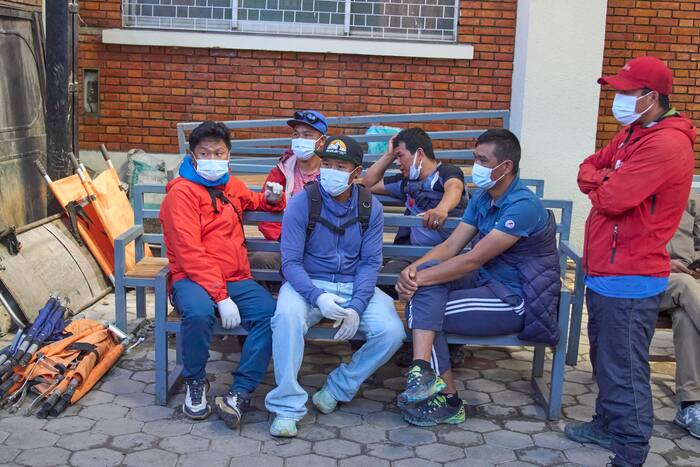
Ground teams and aerial search units are combing the debris fields around Mount Himlung. Weather conditions in the area change rapidly, complicating efforts to sweep the upper slopes. Families have gathered at hospital morgues in Kathmandu to identify recovered bodies and wait for news about the dozen still unaccounted for.
Authorities continue to urge caution across all major trekking and climbing hubs as erratic weather advisories remain active. The focus right now stays locked on rescue operations, but the broader questions about safety protocols and climate resilience in the high Himalayas demand serious attention.