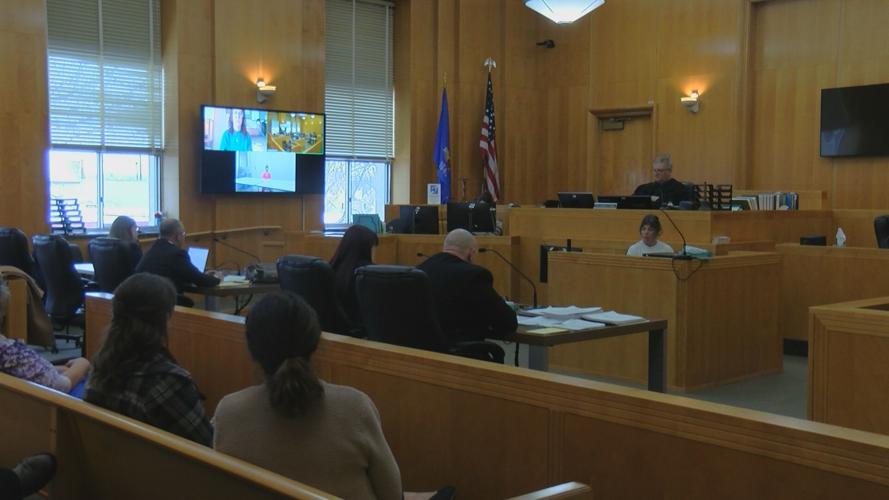
The myth of the self-made billionaire crumbles not under the weight of state indictments, but in the cold, transactional prose of a federal courtroom filing. Andrew and Tristan Tate are fighting extradition from a Miami detention center to the United Kingdom, where they face severe criminal charges including rape and human trafficking. To convince a federal judge that they do not possess the bottomless financial reserves required to orchestrate a global escape, their defense attorneys have offered a startling concession. The hypercars, the superyachts, and the endless digital boasts of monumental wealth were entirely fabricated performance art.
For years, the brothers built an empire on a simple, aggressive provocation. What color is your Bugatti? That single question served as the cornerstone of a digital persona that magnetized millions of disenfranchised young men into paying monthly subscriptions for wealth-generation courses like Hustlers University. Yet, legal documents filed in Florida dismantle that very foundation. The multi-million-dollar vehicles featured in viral videos were rented. The fifty-million-dollar superyacht was not a floating palace owned by the brothers, but a promotional gig for which they were hired. The grand illusion of absolute financial sovereignty was nothing more than a marketing funnel.
The Mechanics of Manufactured Opulence
To understand why two men would willingly dismantle their primary brand asset in front of a federal judge, one must examine the legal trap of flight risk assessments. Federal prosecutors argued that the Tates commanded vast, liquid fortunes and decentralized cryptocurrency reserves, making them prime candidates to jump bail and vanish across international borders. Facing the prospect of permanent detention while awaiting extradition proceedings, the defense strategy pivoted to judicial pragmatism. They had to prove that the billions they claimed to own were ghost numbers.
The court filings explicitly state that the outrageousness of the posts was the entire point. Hyperbole generates algorithmic velocity. Algorithmic velocity converts into raw attention. Raw attention monetizes through digital memberships, affiliate programs, and high-ticket mastermind communities. By recasting their digital footprint as obvious satire and promotional performance, the defense attempts to neutralize the government's argument regarding their financial flight capacity. If the money was never truly theirs, the argument goes, they lack the resources to hide from Interpol.
This defense maneuver exposes the fragile plumbing underlying modern influencer economies. The entire manosphere business model relies on the absolute monetization of aspiration. Young men do not buy access to online mentors because they want moderation; they buy in because they want an escape route from economic stagnation. By admitting that the lifestyle was a rented costume, the defense saves the brothers in a custody hearing while simultaneously destroying the core illusion that built their commercial empire.
The Reality of Detention and the Collapse of Posturing
The contrast between the digital titans of 2023 and the detainees of a Miami federal facility could not be starker. While online supporters rally outside chanting slogans of freedom, the daily reality inside involves commissary records and legal briefs. Federal prosecutors quickly pushed back against online complaints regarding harsh conditions by releasing prison purchase logs, revealing routine acquisitions of ramen noodles, coffee, and snack items. The descent from Mediterranean superyachts to federal holding blocks highlights how quickly performative power dissolves when confronted with penal authority.
The legal battle in Florida is merely a staging ground for a much larger jurisdictional war. British authorities have pressed dozens of charges spanning years of alleged offenses, while separate legal entanglements continue to unfold in Romania. Each jurisdiction presents a unique set of hazards that cannot be mitigated by posting a provocative video or renting an exotic sports car for an afternoon shoot.
When an empire is built entirely on smoke, the first real storm blows away the walls. The Tates and their legal teams made a calculated trade-off in an American courtroom, sacrificing their hard-earned reputation for invincibility to secure a fighting chance at bail. Yet, in stripping away the armor of the billionaire persona, they have permanently altered the psychology of their followers. The man who admits his Bugatti was a rental can no longer sell the secret to buying one.