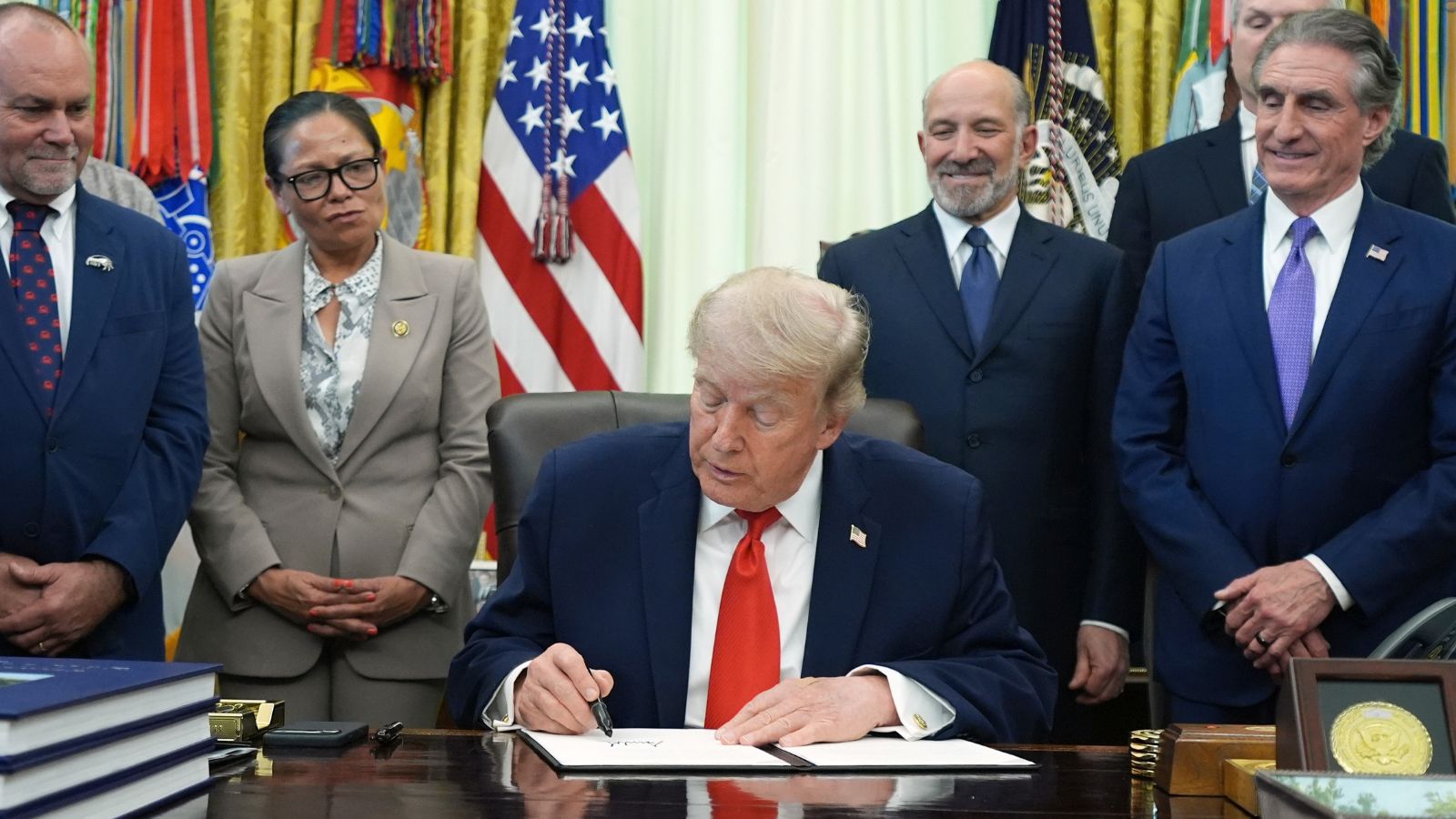
The television glare in a late-night diner or a quiet living room carries a specific kind of weight when the news flashes across the screen. For a fleeting second, the breath catches in your throat. A headline sparks across the ticker, bold and sudden, declaring that a historic breakthrough is just days away. The long-standing gridlock between Washington and Tehran is supposedly on the verge of shattering. You want to believe it. It feels like the heavy, invisible tension holding the global breath might finally release.
Then comes the quiet, inevitable deflation.
Hours later, the counter-statement drops from halfway across the world. No deal exists. The stage was set, the microphones were ready, but the seats were empty. This repetitive cycle of premature victory laps and stark denials has become more than just diplomatic theater; it is a psychological exhausting mechanism for millions of people whose daily survival hinges on the fluctuating value of a currency or the threat of escalation.
Understanding this cycle requires stepping away from the sterile briefing rooms of Geneva or New York and looking at the human cost of waiting for a signature that never comes.
The Weight of the Unsigned Page
To grasp the true friction of this geopolitical stalemate, look at the ordinary realities unfolding beneath the headlines. Consider a small-business owner in Tehran, perhaps running a modest electronics repair shop. For him, a headline claiming a deal is "finalized in days" is not just an interesting bit of foreign policy news. It is a sudden, volatile shift in the cost of his inventory.
When optimism spikes, the local currency fluctuates. When the denial follows, prices swing wildly in the opposite direction. He cannot plan for next month, let alone next year. The constant ping-pong of political rhetoric creates a state of economic whiplash where the ground beneath ordinary citizens is never solid.
Diplomacy is often treated by observers like a high-stakes poker game, where leaders bluff, raise, and call. But in reality, it behaves much more like an intricate, multi-dimensional chess match played in shifting sand. What one leader broadcasts as a finished agreement is often, from the other side's perspective, merely the opening offer of a new, grueling round of negotiations.
The disconnect stems from a fundamental difference in how announcements are utilized. For an American administration, declaring an imminent deal can be a powerful tool for domestic signaling, an attempt to demonstrate decisive action and foreign policy prowess to voters and markets. For the Iranian leadership, however, accepting that narrative prematurely looks like a concession, a sign of weakness before the final terms are locked in stone.
The Machinery of the Near-Miss
Why does this specific pattern repeat so reliably? The answer lies in the institutional memory of both nations. Decades of deep-seated mistrust cannot be erased by a single optimistic press conference.
Every time a draft agreement reaches the table, it carries the baggage of past violations, altered regimes, and sudden policy pivots. When a leader claims an accord is imminent, they are often looking at the broad strokes—the conceptual compromises that both sides have tentatively accepted on paper. But foreign policy lives and dies in the microscopic details.
Consider the sheer complexity of the machinery involved:
- The precise sequencing of sanctions relief versus the dismantling of nuclear infrastructure.
- The verification mechanisms required to prove compliance without violating national sovereignty.
- The domestic legislative hurdles in both countries that could dismantle a deal within hours of its signing.
When one side shouts that the finish line is in sight, the other side is usually pointing at the dozens of unmapped miles still left in the journey. The Iranian foreign ministry’s pushback against rapid announcements isn't just stubbornness; it is a defensive maneuver designed to prevent the domestic audience from building up expectations that the current terms cannot fulfill. They know that a bad deal is far more dangerous domestically than no deal at all.
The Quiet Reality Behind the Rhetoric
The danger of this perpetual loop of false hope is the numbness it breeds. When everything is a breakthrough, nothing is. International markets eventually stop reacting to the sudden proclamations of imminent peace, and the public tunes out the noise entirely.
But the stakes remain stubbornly real. Beyond the rhetoric lie actual stockpiles, active sanctions, and a regional balance of power that grows more fragile with every passing month of uncertainty. The grand announcements create a smoke screen of progress, masking the fact that the fundamental disagreements—the core issues of security, sovereignty, and regional influence—remain as intractable as ever.
True diplomatic breakthroughs rarely arrive with a trumpet blast days before they happen. They are forged in absolute secrecy, away from the cameras, through agonizing months of quiet compromises where neither side gets exactly what they want, but both get enough to survive the political fallout at home. The loud declarations of a done deal are often the clearest sign that the real work is still far from over.
The screen fades to black, the news cycle moves on to a different crisis, and the shopkeeper settles back into the familiar, grueling routine of navigating a world dictated by the unsigned page. The world waits, not for the next grand speech or the next confident prediction, but for the quiet, unglamorous moment when the ink finally meets the paper in the dark.