The regular at the third pump did not notice the algorithmic shift in global bond yields, but he did notice the numbers on the rolling plastic dial. For the first time in four months, they stopped spinning before his stomach sank.
His name is Marcus. He drives a 2018 Ford F-150 for a regional logistics firm outside Philadelphia. In May, filling the tank felt like watching a slow-motion robbery where he was the victim and the weapon was a barrel of Brent crude. By mid-June, however, a strange quiet fell over the numbers. The price per gallon dropped. The relentless, compounding panic of the spring seemed to catch its breath.
Marcus is a hypothetical construct, but his budget is entirely real. His temporary relief is the human face of the latest Consumer Price Index report from the Bureau of Labor Statistics. On paper, the facts are clear. U.S. consumer inflation slowed to an annual rate of 3.5% in June, down from a punishing three-year high of 4.2% in May. On a monthly basis, the index actually dipped by 0.4%. The data arrived like a cool rain after a drought, causing Wall Street to exhale and traders to instantly recalculate the odds of an imminent interest rate hike.
But macroeconomics is a game played with smoke and mirrors, and the quiet June data is largely an illusion born from a temporary truce.
To understand why Marcus paid less for fuel last month, one must look past the domestic gas station and focus on a narrow, volatile strip of water thousands of miles away: the Strait of Hormuz. The geopolitical war between the United States and Iran has acted as the primary engine for global price volatility this year. When maritime tankers are struck, the risk premium is immediately injected into the bloodstream of the global economy.
In June, the two nations signed a memorandum of understanding, initiating a fragile 60-day ceasefire. For a brief moment, the shooting stopped. Premium insurance rates for shipping conglomerates eased. Consequently, gasoline prices tumbled 9.7% over the month, marking the sharpest one-month drop since the height of the 2020 pandemic lockdowns.
It was a peace dividend felt directly at the pump. Core inflation—the metric that strips out food and energy to see the underlying skeleton of the economy—remained flat from May, sitting at 2.6%. For a moment, the narrative of an out-of-control inflationary spiral lost its momentum.
But a ceasefire is not a peace treaty. It is a pause button.
Consider what happened next. The ink on the June data had barely dried before the geopolitical landscape fractured again. The 60-day agreement did not survive its full term. Fresh hostilities erupted in the Gulf, American facilities were targeted, and international oil benchmarks surged back past $86 a barrel. The 70-cent premium on retail gasoline that consumers swallowed earlier in the year is already creeping back onto the ledger.
This lag is where the danger hides. The CPI report is a rearview mirror. It tells us how the wind blew three weeks ago, not where the storm is heading tomorrow.
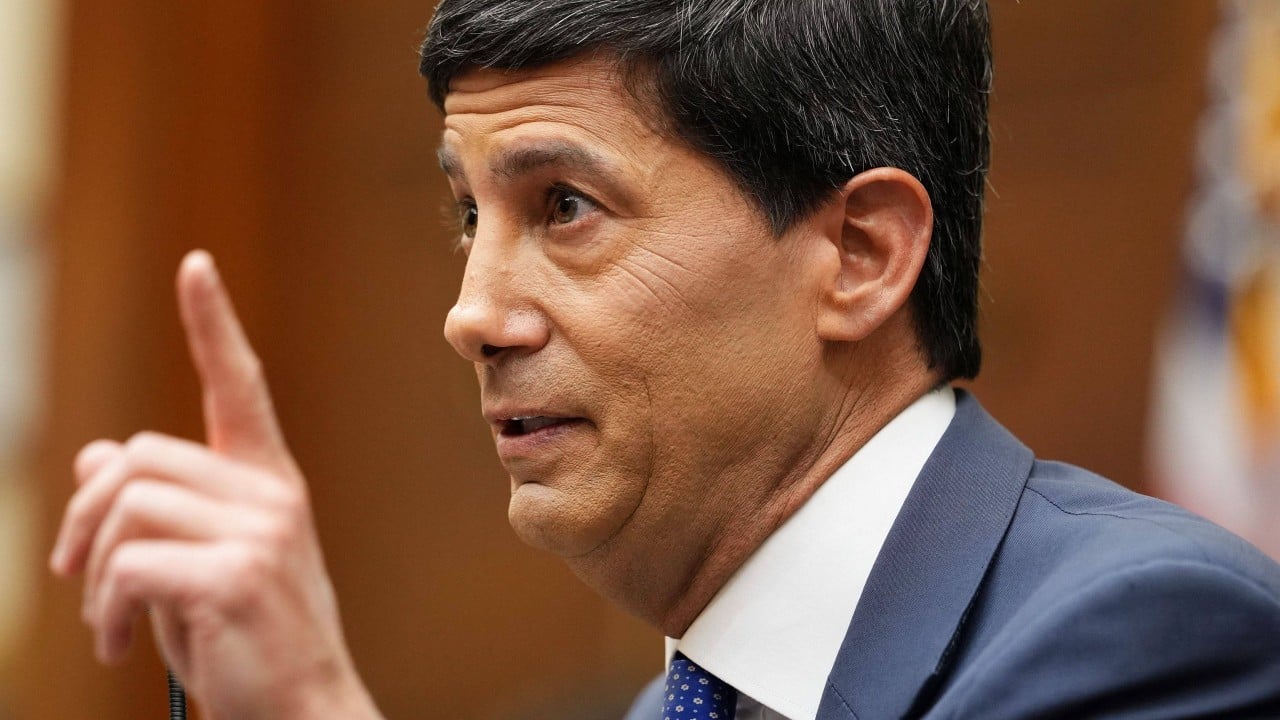
On Capitol Hill, the atmosphere reflects this lingering anxiety. Federal Reserve Chair Kevin Warsh took the microphone before lawmakers on Tuesday with a clear mandate: to project absolute resolve. The central bank is tired of chasing a moving target. Warsh made it explicitly clear that the Fed has "no tolerance" for inflation that refuses to return to its 2% sanctuary.
Wall Street shifted its bets anyway. Before the report dropped, the probability of the Fed raising interest rates at the late-July meeting was hovering around 35%. Within hours of the 3.5% print, those odds collapsed to a mere 10%. The market treats the data as a reprieve, a license for the central bank to sit on its hands for the rest of the summer.
That view may prove dangerously naive.
The underlying engine of the American economy is not just running; it is running hot. A historic artificial intelligence investment boom continues to pour billions into infrastructure, technology, and high-wage employment. Consumer spending has resisted the gravitational pull of higher borrowing costs, anchored by a labor market that refuses to cool down. When people have jobs, they spend money. When they spend money, prices have a floor beneath which they cannot fall.
The Fed finds itself caught in a vice between two unpredictable forces. On one side is the structural boom of a domestic technology revolution; on the other is the volatile theater of a Middle Eastern maritime war.
The June reprieve provided some temporary breathing room, but the structural threat of higher rates remains on the table. If the conflict in the Strait of Hormuz continues to escalate, driving energy costs back into the core tissue of the economy, the central bank will have little choice but to tighten the screws once more.
Marcus, driving his truck through the Pennsylvania twilight, does not read the Fed's minutes or track the futures market. He simply watches the sign at the corner station. He knows instinctively what the economists try to quantify: prosperity is currently tethered to a thread so thin that a single spark in a distant sea can burn it away.

