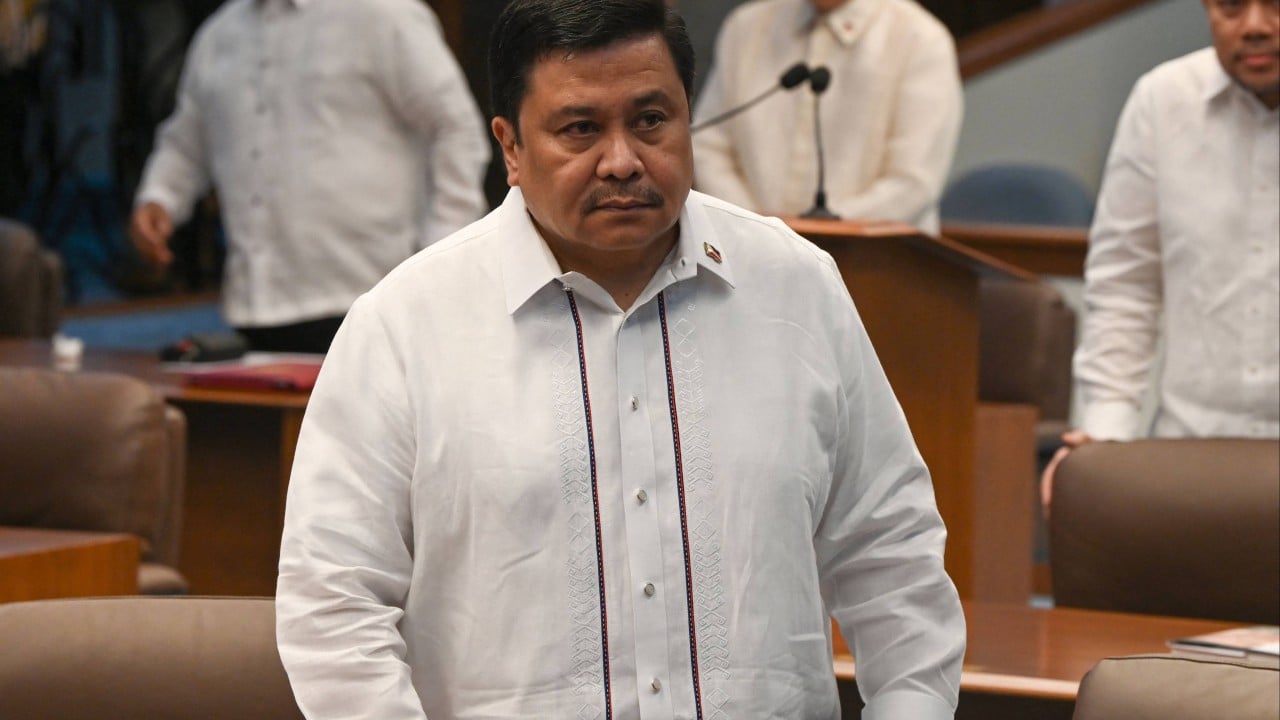
Philippine Senator Jose "Jinggoy" Estrada is staring down the barrel of a third arrest warrant. History doesn't just repeat itself in Manila politics; it loops like a bad track. On May 28, 2026, the Office of the Ombudsman officially filed heavy plunder and graft charges against him at the Sandiganbayan anti-graft court. This isn't a minor administrative slap. It's a massive multibillion-peso infrastructure scandal involving the very flood control systems meant to keep a typhoon-battered nation dry.
If you think this is just another standard corruption headline from Southeast Asia, you're missing the bigger picture. This specific indictment directly threatens a fragile legislative majority, carries a staggering ₱573 million ($9.3 million) price tag in alleged illicit payouts, and marks a stunning "three-peat" for a political dynasty that treats detention centers like a second home.
The mechanics of this latest scandal offer crucial insights into the evolving nature of systemic graft and its broader implications for political stability.
The Flood Control Mess That Triggered the Ombudsman
We aren't talking about the old Priority Development Assistance Fund (PDAF) pork barrel scam of the 2010s. This is entirely fresh trouble. The National Bureau of Investigation (NBI) and the Department of Justice (DOJ) Public Works and Bid-Rigging Task Force dug into why major national infrastructure projects were failing or vastly overpriced.
The trail led straight to Estrada and former Public Works Secretary Manuel Bonoan.
According to Assistant Ombudsman Mico Clavano, government officials systematically maneuvered allocations, rigged the public bidding process, and funneled massive public funds into specific, pre-determined infrastructure projects. In return, the contractors kicked back millions. Specifically, investigators allege that ₱573 million in illicit payouts was delivered to Estrada.
Consider the timing. The Philippines has been hammered by severe typhoons, and public rage over broken, non-existent, or dangerously flawed flood control barriers is at an all-time high. When communities drown while nearly ten million dollars in infrastructure money allegedly lines a lawmaker's pockets, public anger moves past standard cynicism into absolute fury. The Ombudsman didn't just target a politician; they targeted the highest-ranking official linked to a scandal that actively crippled economic growth and shattered investor confidence over the last few quarters.
Three Times a Charm for the Estrada Dynasty
To understand why this is happening, you have to look at the family playbook. The Estrada name carries unparalleled weight in the history of Philippine anti-graft litigation.
- 2001: Jinggoy and his father, former President Joseph Estrada, became the very first elected officials charged under the Philippine Anti-Plunder Law. They were arrested at their San Juan home and flown by helicopter to detention. The father was convicted and later pardoned; Jinggoy was eventually acquitted.
- 2014: Jinggoy was arrested and detained again for his alleged role in the notorious Napoles pork barrel scam, spent three years in Camp Crame, posted bail in 2017, and managed to win back his Senate seat in 2022.
- 2026: He faces the Sandiganbayan yet again for plunder.
Estrada's defense remains predictably defiant. He claims his right to due process was violated because he wasn't given a proper chance to review the resolutions before the filing. He even pointed to a letter from the Senate Legislative Budget Research and Monitoring Office asserting he made no direct budget insertions.
The Ombudsman, however, countered that defense immediately. Graft doesn't require a clumsy, obvious paper trail in the budget book anymore. The modern approach uses layered methods, backroom bidding manipulations, and trusted intermediaries to move funds long before the concrete is ever poured.
When asked about the looming arrest, Estrada fell back on classic martyrdom, telling reporters it's "the price that I have to pay for standing on my own principles."
The Incidental Crisis Shaking the Senate Majority
This arrest goes way beyond a personal legal headache for Estrada. It's a logistical nightmare for the current configuration of the Philippine Senate.
Right now, Estrada and a bloc of senators aligned with Vice President Sara Duterte hold a razor-thin majority in the Upper Chamber. The timing couldn't be worse for that faction. The Vice President is facing a highly volatile, impending impeachment trial.
If the Sandiganbayan finds probable cause and issues a warrant, Estrada goes back to a cell. A suspended or jailed senator can't vote on the floor. His physical removal from the session hall instantly strips a vital vote from the Duterte-aligned bloc, threatening to tip the balance of legislative power back toward the administration's allies. It's a stark reminder that in Manila, anti-graft crusades and high-stakes political chess matches are always played on the exact same board.
What Happens Next for the Case
Don't expect immediate closure. The wheels of the Sandiganbayan turn slowly, but the next steps will move fast sequentially:
- Probable Cause Evaluation: The Sandiganbayan justices will review the voluminous documents filed by the Ombudsman to determine if a crime was likely committed.
- Warrant Issuance: If they find probable cause—which happens in the vast majority of these high-profile filings—the court will issue an official warrant of arrest.
- The Surrender or Arrest: Estrada's legal team is already preparing remedies, but a plunder charge is traditionally non-bailable, meaning he will likely have to surrender to custody while his lawyers argue for temporary liberty based on health, status, or weak evidence.
Keep a close eye on the court dockets over the next few days. The immediate indicator of where this country's political power lies will be how fast that warrant drops and whether the defense can pull off an early legal miracle to keep Estrada out of a cell.