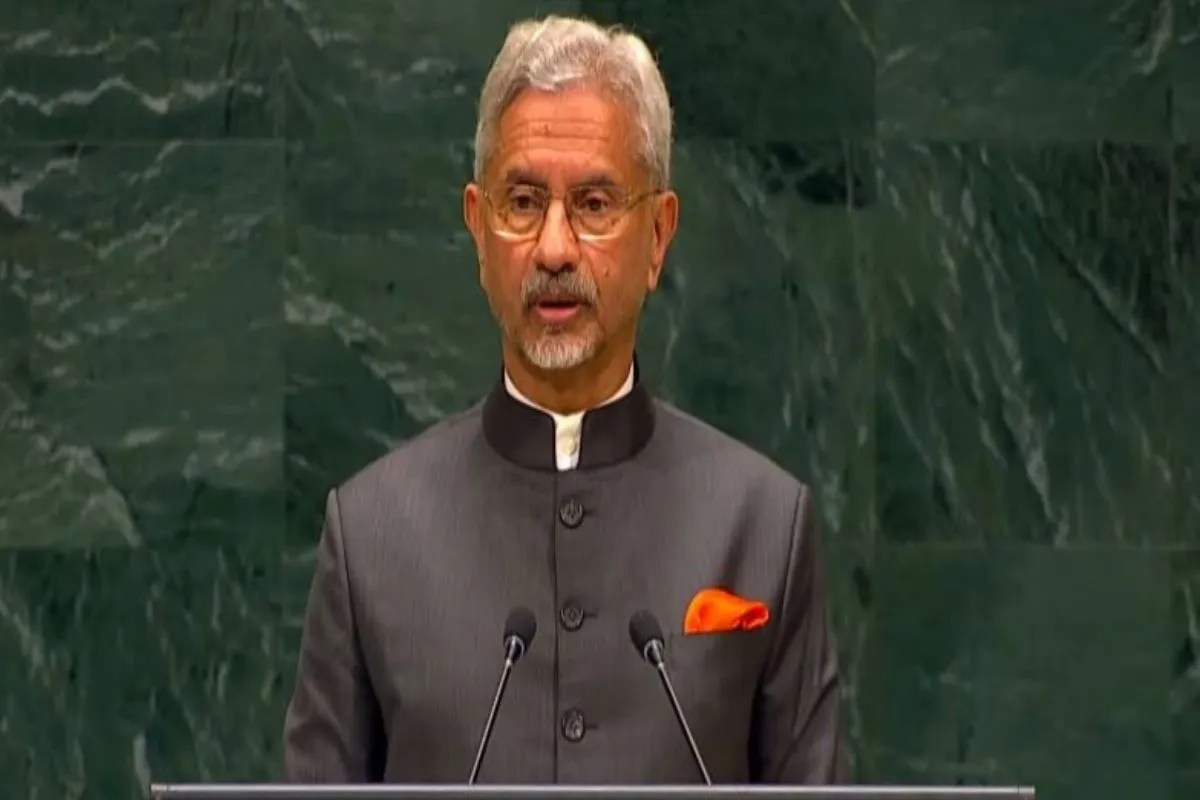
Geopolitics rarely operates in black and white, but India's position on the Israel-Palestine conflict remains one of its most consistent diplomatic balancing acts. When External Affairs Minister S. Jaishankar addresses global forums like the United Nations, he doesn't speak in riddles. He lays out a pragmatic reality. If you've been wondering where New Delhi actually stands amidst escalating global friction, the answer is rooted in historical consistency mixed with modern strategic realism.
India doesn't chop and change its foreign policy based on shifting political winds. At the core of the nation's stance is an unwavering commitment to a two-state solution. New Delhi firmly believes that a durable and lasting peace in West Asia can only emerge when a sovereign, independent, and viable Palestine exists side by side in peaceful coexistence with Israel. This isn't just diplomatic lip service; it's a foundational principle that has guided Indian foreign policy for decades, surviving multiple changes in government and sweeping global transformations. You might also find this connected story interesting: The Hidden Shortage Behind the CUNY Transit Pilot.
Moving Past Rhetoric Toward Tangible Aid
Talk is cheap, especially in international diplomacy where resolutions are passed and ignored daily. What separates India's approach today is the emphasis on actionable humanitarian relief. While major global players scale back or politicize aid, India keeps showing up with concrete assistance.
New Delhi maintains regular financial support for the United Nations Relief and Works Agency for Palestine Refugees (UNRWA), ignoring pressure from various directions. Beyond monetary funds, India has committed to critical infrastructure development inside Palestinian territories. Projects ranging from specialized hospitals and artificial limb fitting centers to vocational training institutes demonstrate that India's solidarity is built on capacity-building and human welfare, rather than empty slogans. As highlighted in latest reports by Reuters, the results are worth noting.
The Balancing Act of Modern Diplomacy
Foreign policy in 2026 is an exercise in walking a tightrope. India maintains a robust, highly strategic partnership with Israel spanning defense, technology, and intelligence. At the same time, New Delhi refuses to abandon its historical moral obligation to the Palestinian cause.
Critics often call this a contradiction. It isn't. It's strategic autonomy. India refuses to put all its eggs in one basket or view international relations through a zero-sum lens. You can partner with Tel Aviv on cutting-edge security technology while simultaneously advocating for Palestinian statehood at the UN General Assembly. In fact, Jaishankar’s recent addresses at international summits highlight a broader concern: the erosion of multilateral institutions and the dangerous escalation of conflicts that bleed the Global South dry of resources, food security, and stability.
Why This Matters Moving Forward
The middle ground is shrinking fast in global politics. Nations are increasingly forced to pick sides, turning regional disputes into global proxy battles. By sticking to a principled stand—condemning violence, urging civilian protection, pushing for humanitarian aid, and advocating for dialogue over endless war—India positions itself as a credible voice of reason.
The next time international headlines try to blur India's stance on Palestine, look past the noise. The policy is clear: security for Israel, statehood for Palestine, and constant humanitarian support for those caught in the crossfire.
S Jaishankar UNGA Speech on Palestine and Two-State Solution
This short video clip captures the core highlights of External Affairs Minister S. Jaishankar addressing the United Nations General Assembly regarding India's definitive stance on the Israel-Palestine conflict and the necessity of a two-state solution.


