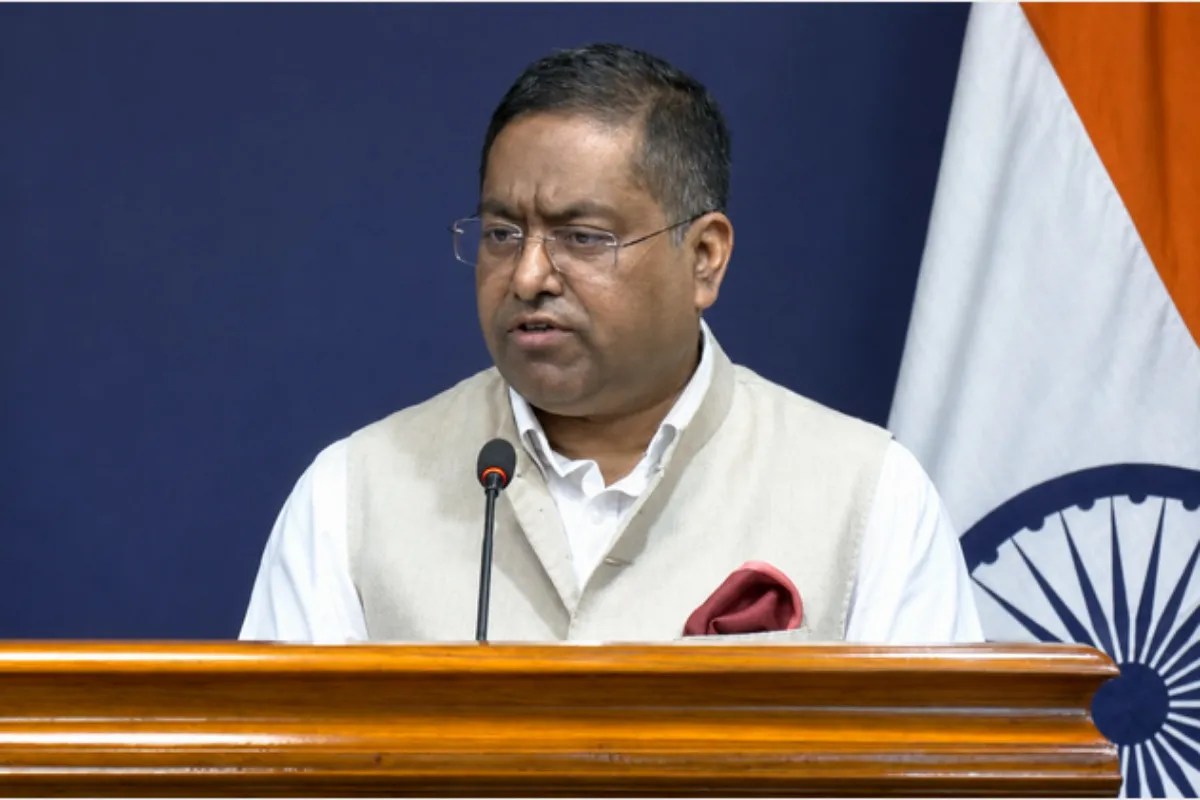
The media is currently hyperventilating over Randhir Jaiswal’s latest comments regarding India’s "longstanding ties" with Afghanistan. You’ve seen the headlines. They frame this as a warm, nostalgic pivot—a sentimental outreach to the Afghan people as the Islamic Emirate marks five years in power.
Stop buying the fairy tale. This isn't about shared history, humanitarian aid, or the "Afghan people." It is the most cold-blooded, high-stakes game of realpolitik being played on the South Asian chessboard.
The consensus narrative—that India is engaging Kabul out of a sense of duty or some lingering regional soft power—is intellectually lazy. It ignores the singular, uncomfortable reality: India’s engagement with the Taliban administration is not about Afghanistan. It is entirely, aggressively, and exclusively about Pakistan.
The Geography of Hostility
For decades, the Indian foreign policy establishment was paralyzed by the idea that Afghanistan was a "Pakistani sphere of influence." They believed that if they couldn't control Kabul, they should simply wall themselves off. That was a catastrophic miscalculation. It left a vacuum that Islamabad filled, using the borderlands as a staging ground for asymmetric warfare against India.
New Delhi eventually realized that the "do nothing" approach was a gift to their adversaries. The current wave of ministerial visits—from Muttaqi to Azizi—isn't a diplomatic outreach program. It’s a strategic containment strategy. By establishing a functional, albeit unofficial, rapport with the Taliban, India has effectively turned the tables.
Imagine a scenario where the Afghan-Pakistan border becomes a kinetic headache for Islamabad rather than a safe haven for anti-India proxies. That isn't a hypothetical. It is currently unfolding. The Taliban and Pakistan are locked in a vicious cycle of border skirmishes and mutual distrust that makes the old "friendly Taliban" model a thing of the past. India, by being the adult in the room—offering trade, medical assistance, and connectivity—is positioning itself as the only rational partner in Kabul’s Rolodex.
Dismantling the Sentimentality Myth
Critics argue that India is betraying its democratic values by engaging with a regime that many in the West still treat as a pariah. This is moral posturing. Diplomacy is not a Sunday school lesson; it is an exercise in damage mitigation.
When you hear officials talk about "development cooperation" and "connectivity," they are talking about the Chabahar Port and trade corridors that bypass Pakistani territory entirely. If India can help Kabul stabilize its economy, they gain leverage that goes far beyond soft power. They gain a seat at the table in a land that was once considered hostile terrain.
The "longstanding ties" phrase Jaiswal used is a diplomatic shroud. It’s intended to lower the temperature for domestic consumption while keeping the door open for high-level tactical intelligence and economic penetration. It’s not about the past; it’s about ensuring that the next ten years in Central Asia don't look like the last twenty.
The Truth About Pragmatism
I’ve seen enough statecraft to know that transparency is usually a weakness. India’s current posture is a masterclass in ambiguity. They don't need to formally recognize the Taliban to exert influence. In fact, formal recognition would be a strategic blunder—it would limit their options and force them into a rigid legal framework.
Instead, they are choosing the grey zone. They are dealing with the ministers who manage the mines, the trade, and the health sectors. They are playing the long game while others wait for a "regime change" that isn't coming.
The real danger here isn't that India is getting too close to the Taliban. The danger is that they might still be too cautious. If they continue to treat this as a humanitarian exercise rather than a full-throttle expansion of strategic reach, they risk losing the advantage they’ve built over the last year.
You want to know what’s really happening? Look at the trade logs, not the press briefings. Look at which Afghan ministers are getting their medical care in Delhi and which ones are bypassing Islamabad for economic planning.
The strategy is clear: strip Pakistan of its strategic depth in the west and force them to contend with a Kabul that isn't their puppet. It’s ruthless. It’s brilliant. And it has nothing to do with nostalgia.
The next time you read a fluff piece about "strengthening ties," remember that you aren't reading about friendship. You’re reading about a surgical strike on an adversary’s most sensitive border. Keep your eyes on the trade routes and the internal security reports. Everything else is just noise meant to keep the diplomats smiling.
India's evolving relations with Afghanistan
This video provides a brief look at the pragmatic, engagement-focused approach that India has been developing toward the interim government in Afghanistan, illustrating the shift away from past diplomatic isolation.