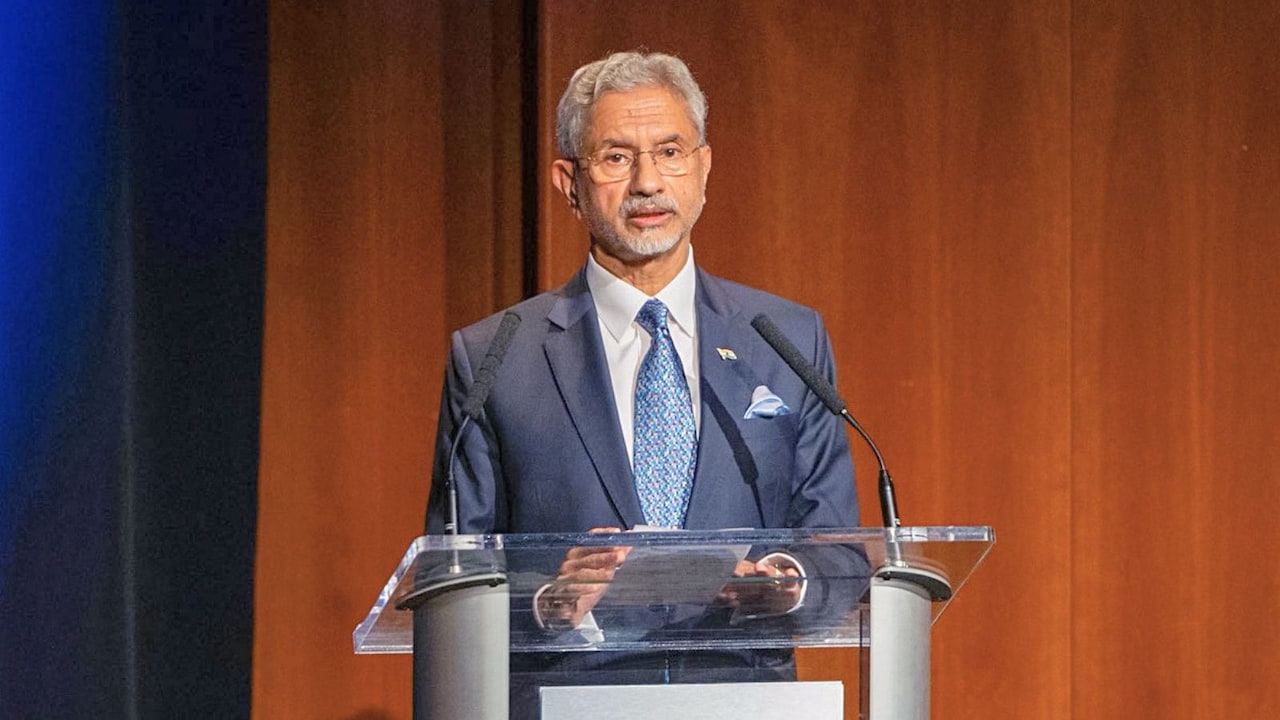
Foreign policy rarely sounds personal, but External Affairs Minister S. Jaishankar doesn't do diplomatic fluff. When he speaks about cross-border security, the message to Western capitals is blunt: New Delhi's stance on terrorism isn't a bargaining chip. It's a hard boundary.
For years, bilateral ties between India and the United States have enjoyed a honeymoon phase built on shared anxieties over Asian geopolitics and tech supply chains. Yet, a fundamental friction point remains. Washington often views regional security through a global lens of strategic convenience, while India experiences terrorism as an immediate, existential daily threat.
The Empathy Gap in Western Capitals
When Jaishankar points out a lack of deep empathy regarding India's security concerns, he's naming a frustration that policymakers in New Delhi have harbored for decades. Too often, Western security establishments treat cross-border attacks as isolated regional flare-ups rather than symptoms of a persistent, state-sponsored doctrine of destabilization.
You can't build a genuine, unshakeable strategic partnership while one side downplays the murder of civilians for diplomatic expediency. India has made it clear that minimizing or looking away from Pakistan-backed networks to serve temporary geopolitical alignments is a non-starter.
Beyond Trade and Tariffs
While the media loves to obsess over tariff lines, trade bickers, and duties on goods, security remains the bedrock of state survival. Trade deals can be negotiated line by painstaking line, but national sovereignty and the lives of citizens cannot be compromised for a quick economic win.
Washington needs to realize that Indian public sentiment—and by extension, the government's mandate—has zero tolerance for double standards on violent extremism. When global powers try to preach restraint or push for backchannel normalization with hostile actors without demanding absolute accountability, they hit a brick wall.
Strategic Autonomy Means Saying No
India's foreign policy is anchored in strategic autonomy. That means keeping channels open with multiple global players while refusing to outsource national security priorities to any superpower. If the price of closer alignment with Western partners is softening India's stance on terrorism, it's a price New Delhi simply won't pay.
The red line is drawn. It's up to Washington and other global allies to decide if they want a truly mature partnership built on mutual respect and eyes wide open, or if they prefer paying lip service to security while chasing short-term diplomatic wins.
The stakes are too high for half-measures, and India's leadership knows it.