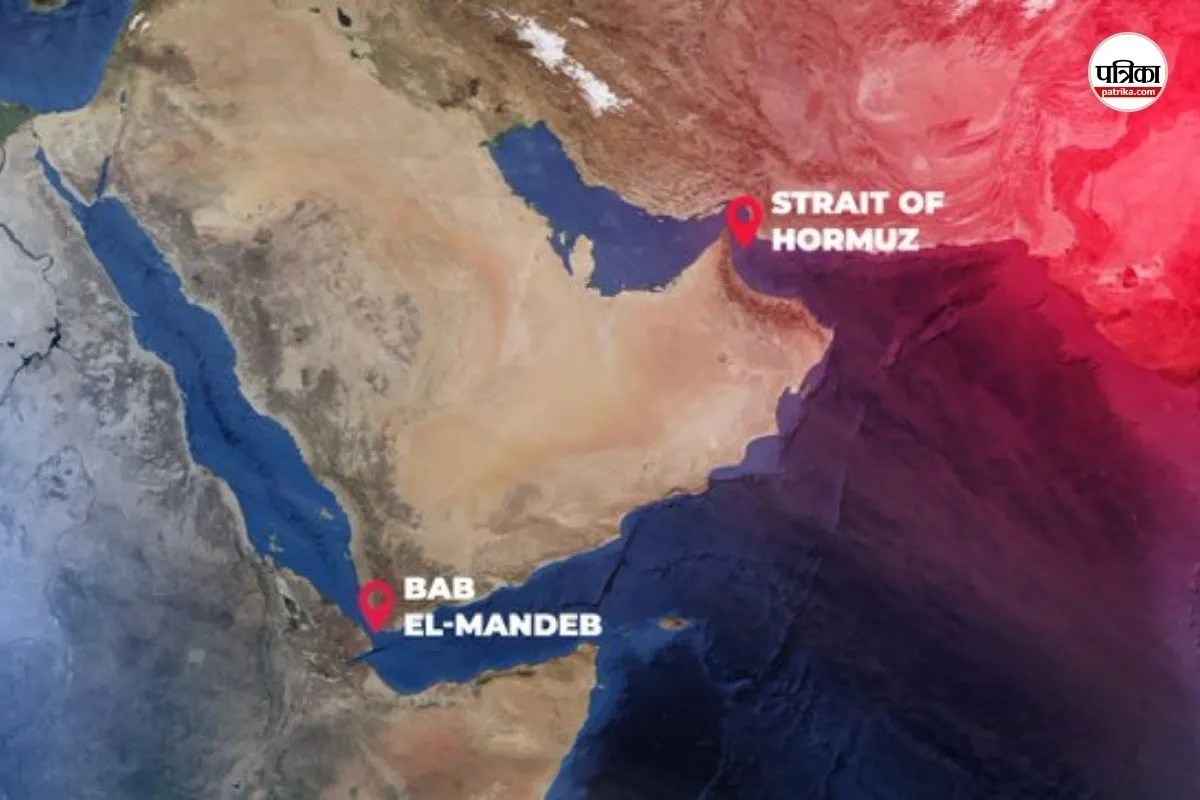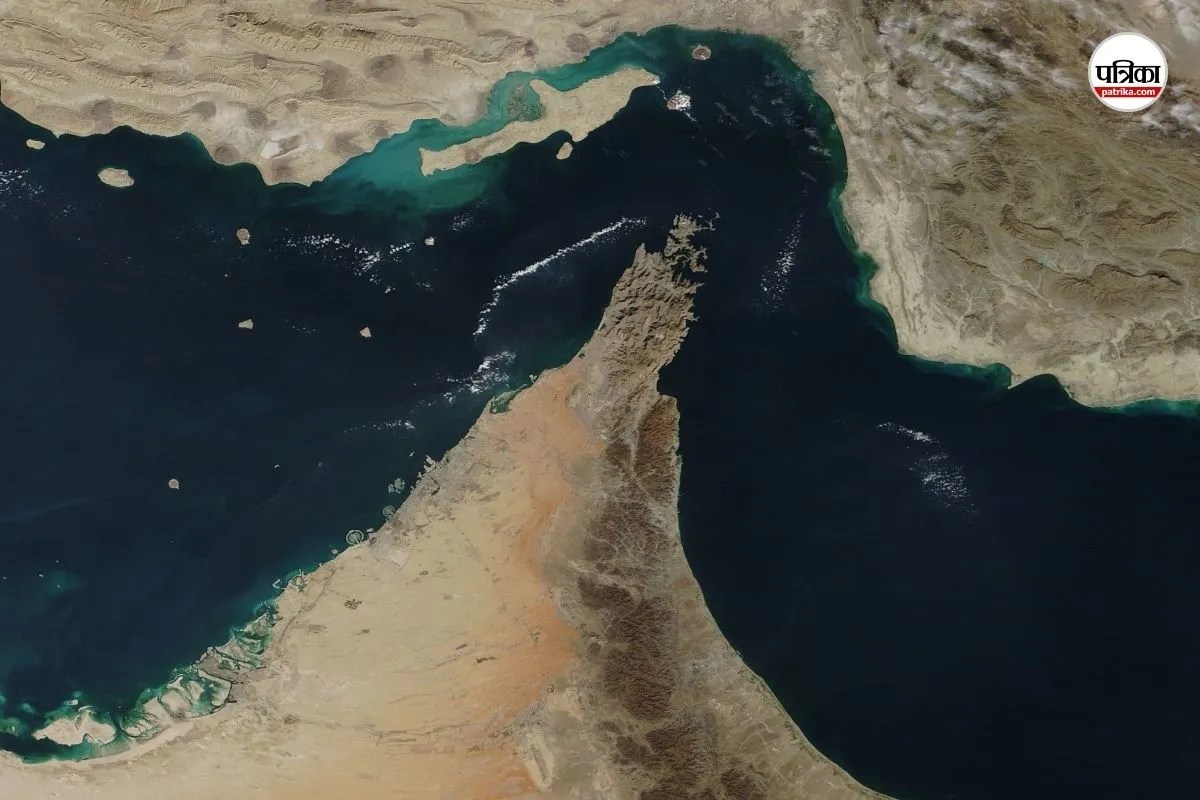
The Strait of Hormuz is arguably the most volatile chokepoint on the planet right now. If you've been watching the news, you know the Iran-Israel conflict isn't just about missiles and rhetoric anymore. It's about global trade routes. For India, the stakes couldn't be higher. While the world holds its breath, New Delhi just scored a quiet but massive diplomatic win. A convoy of ships including an Indian vessel successfully navigated the Strait of Hormuz, signaling that India’s strategic autonomy is paying off where others are struggling.
This isn't just luck. It’s a calculated result of maintaining ties with Tehran while balancing a deep partnership with Tel Aviv. When the MSC Aries was seized by Iran’s Revolutionary Guard earlier, the panic was real. But the recent passage of four major vessels through the same waters shows a shift. India isn't just a bystander in this naval chess game. It’s a power that both sides seem hesitant to provoke.
Why the Strait of Hormuz matters to your pocket
You might wonder why a narrow strip of water thousands of miles away affects your daily life. It's simple. About 20% of the world's total oil consumption passes through this strait. For India, which imports over 80% of its crude oil, any blockage is a nightmare scenario. If Hormuz shuts down, petrol prices at your local station don't just go up—they skyrocket.
The tension between Iran and Israel has turned these waters into a "gray zone" of warfare. We aren't seeing full-scale naval battles yet, but we are seeing ship seizures and "shadow" attacks. When an Indian ship clears this passage safely, it’s a sign that the supply chain for our energy needs remains intact. It’s a relief for the government and a breather for the Indian economy, which is currently trying to maintain a 7% growth rate amidst global chaos.
The silent diplomacy behind the scenes
India doesn't shout its foreign policy from the rooftops. We prefer the quiet room. While Western nations are doubling down on sanctions and aggressive posturing, Indian diplomats have been on speed dial with Tehran. The release of Indian crew members from previously seized vessels wasn't an accident. It was the result of a specific type of leverage that only India holds.
Iran sees India as a vital economic partner and a gateway to the Global South. Israel sees India as a key strategic and defense ally. This "middle path" is often criticized as being indecisive, but right now, it's the only thing keeping Indian sailors safe. The fact that four vessels, including one with significant Indian interests, moved through the strait without a hitch proves that "strategic autonomy" isn't just a buzzword. It's a survival tactic.
The real risk of a wider maritime war
Let's be honest about the situation. The risk isn't over. Israel has promised "consequences" for Iranian actions, and Iran has warned that it can close the Strait of Hormuz if pushed. Closing the strait is the "nuclear option" of global trade. It would trigger a global recession almost overnight.
Shipping companies are already paying "war risk" insurance premiums that are ten times higher than they were a year ago. These costs eventually get passed down to you. Whether it's the electronics you buy or the food on your table, shipping costs drive inflation. India's ability to ensure its ships are seen as "neutral" or "friendly" by the regional powers is the only way to avoid these spiraling costs.
What the passage of these 4 ships tells us
The successful transit of these vessels tells us three things:
- Iran is currently choosing its targets carefully, avoiding direct confrontation with major Asian powers.
- Indian naval presence in the Arabian Sea is acting as a psychological deterrent.
- The "backchannel" communication between New Delhi and Tehran is wide open and functioning.
The Indian Navy has already deployed destroyers and frigates in the region to monitor the situation. They aren't there to start a fight, but they are there to make sure everyone knows India is watching its interests. This "show of flag" is essential. Without it, Indian merchant ships are just sitting ducks.
Navigating the coming weeks
Don't expect the tension to vanish tomorrow. The Iran-Israel conflict is a long-term shift in Middle Eastern geopolitics. India will have to keep walking this tightrope for months, if not years. The maritime industry is already looking for alternatives, but the truth is, there is no easy way around the Strait of Hormuz. You either go through it, or you don't get your oil.
For now, the focus is on tactical safety. Shipping companies are being advised to keep their AIS (Automatic Identification System) on but to be transparent about their destinations. They're also being told to avoid hiring security guards with specific national backgrounds that might provoke a seizure. It’s a messy, complicated way to do business, but it’s the current reality.
Watch the freight rates and the insurance premiums. If those stay stable, India’s "relief" will continue. If they spike, even a safe passage won't save us from the economic fallout. The government needs to continue its dual-track approach: keep the Navy on high alert and keep the diplomats talking. There’s no room for a single mistake.
Stay informed by tracking the daily shipping manifests through the Persian Gulf. If you're invested in the markets, keep a close eye on energy stocks and logistics firms. They are the first to feel the heat when the Strait gets narrow. The situation is fluid, and while today is a win, tomorrow is a new challenge in the world's most dangerous waterway.