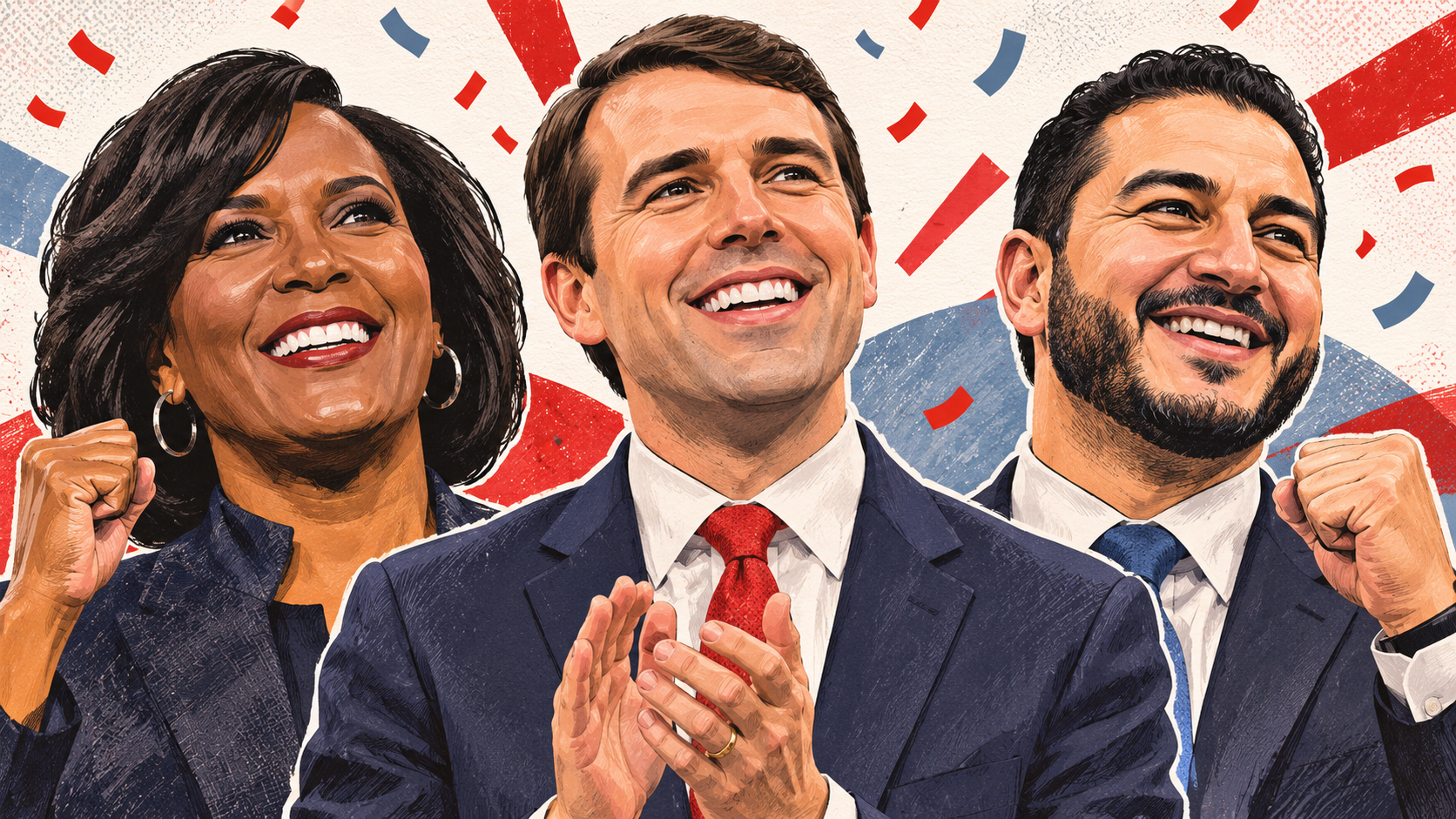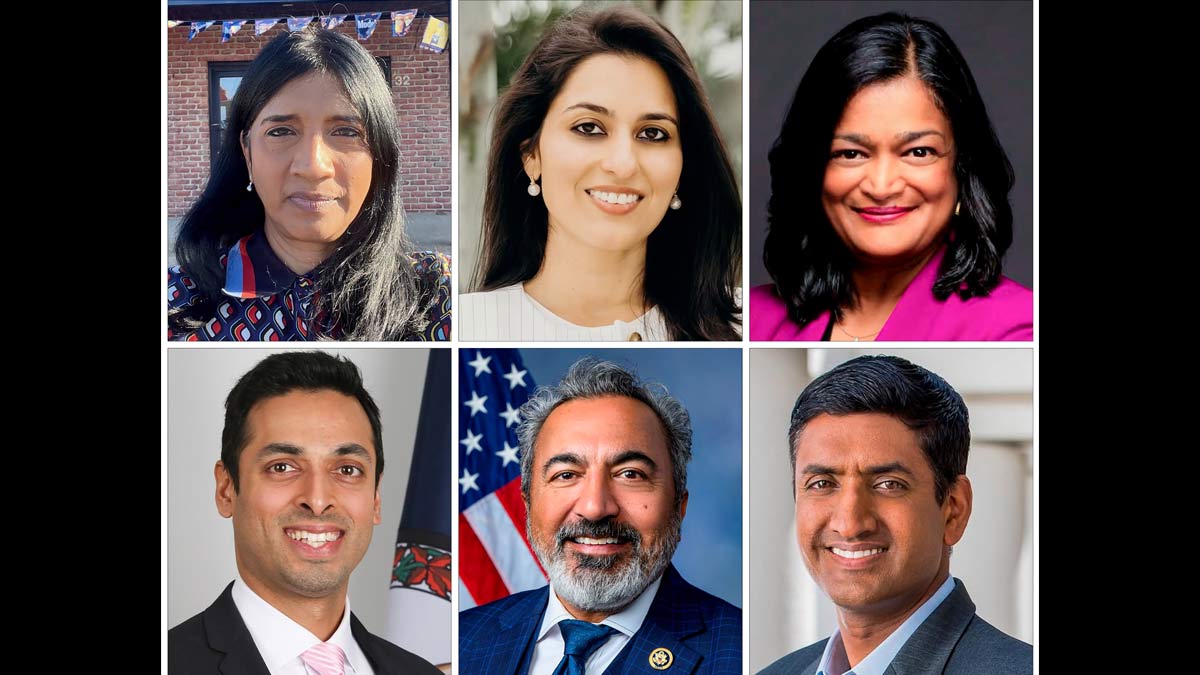
The November 3, 2026 midterm elections delivered high-profile wins for Indian-origin winners in US midterm polls—led by Pia Dandiya flipping a redrawn Florida congressional seat and Aruna Miller winning a second term as Maryland lieutenant governor—while exposing sharp ideological fault lines inside the diaspora.
Competitor roundups treat these victories like a polite roll call of diaspora pride. They read like banquet toasts. Real political analysis asks a harder question: why did candidates with shared heritage land on opposite sides of the ballot box, and what actually moved voters in districts reshaped by partisan mapmakers?
Why Mapmakers Could Not Stop Pia Dandiya
Florida's 22nd Congressional District was supposed to be a tough slog. After Governor Ron DeSantis pushed through mid-decade redistricting in 2026, Dandiya shifted out of her initial race in the 21st District and ran in a heavily altered open seat stretching from western Palm Beach County through Broward County toward the Gulf Coast.
She won anyway. Dandiya defeated Republican nominee Casey Askar by nearly three percentage points, capturing roughly 51.9 percent of the vote to become the first South Asian American elected to Congress from Florida and the second Indian-American woman in the U.S. House after Pramila Jayapal.
Her biography looks tailored for cross-sector appeal. Raised in Jupiter, Florida by parents who emigrated from Jaipur, Dandiya earned degrees from Harvard and Boston University, taught and led a school in Harlem, served as a White House Fellow, and later directed public-sector partnerships at Apple.
Yet credentials alone do not flip a remapped seat in a volatile state. Dandiya's campaign hit concrete kitchen-table pressure points: soaring housing and insurance costs, child care expenses, tariffs hitting everyday shoppers, and frustration over congressional stock trading. She also raised more than $2 million by early August 2026 and secured backing from the Democratic Congressional Campaign Committee's Red to Blue program alongside labor and local officials.
There is a catch worth watching. Dandiya registered as a Republican before switching to the Democratic Party in 2020, and her platform blends mainstream affordability fixes with broader social-safety-net expansions. Holding a redrawn swing-leaning seat in South Florida once she takes office on January 3, 2027, will test whether her coalition sticks when national partisan pressure spikes.
Suburban Machines and Statewide Staying Power
While Dandiya broke new ground in South Florida, Aruna Miller demonstrated what institutional endurance looks like at the state level. Running alongside Governor Wes Moore in Maryland, Miller won re-election as lieutenant governor with 65.29 percent of the vote—roughly 1.47 million votes—outpacing her 2022 general-election share.
Miller's trajectory shows how slow-built governance compounds. She served in the Maryland House of Delegates from 2011 to 2019 before winning statewide office in 2022 as the first immigrant and woman of color elected statewide in Maryland.
During the 2026 cycle, Miller tied global conflict directly to domestic wallet pain. She pointed to fuel prices climbing toward nearly $5 a gallon from under $3 earlier, framing foreign intervention and everyday affordability as a single voter squeeze.
In Northern Virginia, Suhas Subramanyam reinforced the same suburban playbook. Elected to the U.S. House in 2024 after serving in the Virginia House of Delegates and State Senate, Subramanyam won re-election in Virginia's 10th Congressional District on November 3, 2026, with 61.4 percent of the vote.
Incumbents with deep roots in fast-growing suburbs hold a structural edge that newcomers rarely match. Still, safe-looking margins in commuter corridors can erode if federal workforce shifts, transit costs, or voter frustration with Congress intensify.
The Myth of a Single Indian-American Vote
Coverage that treats Indian-origin candidates as one ideological bloc misses the reality of American politics. Heritage opens doors in fundraising and community turnout, but voters judge policy and party alignment.
- Democratic incumbents held firm: Along with Subramanyam and Miller, Ro Khanna and Ami Bera in California and Pramila Jayapal in Washington secured fresh congressional terms. In California's 17th District, Khanna defeated fellow Indian American Ritesh Tandon by more than 42,000 votes, leaning into progressive economic messaging.
- Prominent Republicans fell short: High-profile GOP contenders of Indian descent—including Vivek Ramaswamy in the Ohio governor's race, where Democrat Amy Acton won with 52.3 percent against Ramaswamy's 44.4 percent, and Mahesh Ganorkar—lost their races.
- Open contests stayed fluid: Races like Amish Shah's bid in Arizona's 1st Congressional District drew close attention as vote counts unfolded.
Why did voters split so sharply along party lines rather than ethnic lines? Because Indian-origin winners in US midterm polls are not a monolith; they compete inside two rival political ecosystems with clashing views on taxes, trade, health care, and executive power.
What does this mean for the next cycle? Watch who actually delivers on cost-of-living promises in districts where voters punished incumbents over prices and gridlock. Identity gets a candidate onto the shortlist, but pocketbook results decide who stays.
Pia Dandiya Makes History, Suhas & Aruna Miller Win Again provides broadcast coverage of Dandiya's Florida breakthrough alongside re-election wins for Subramanyam and Miller in the 2026 midterms.