Foreign policy rarely looks clean on the ground. It is messy, transactional, and full of sharp contradictions. If you look at how different parts of the world view India right now, you will see a fascinating paradox.
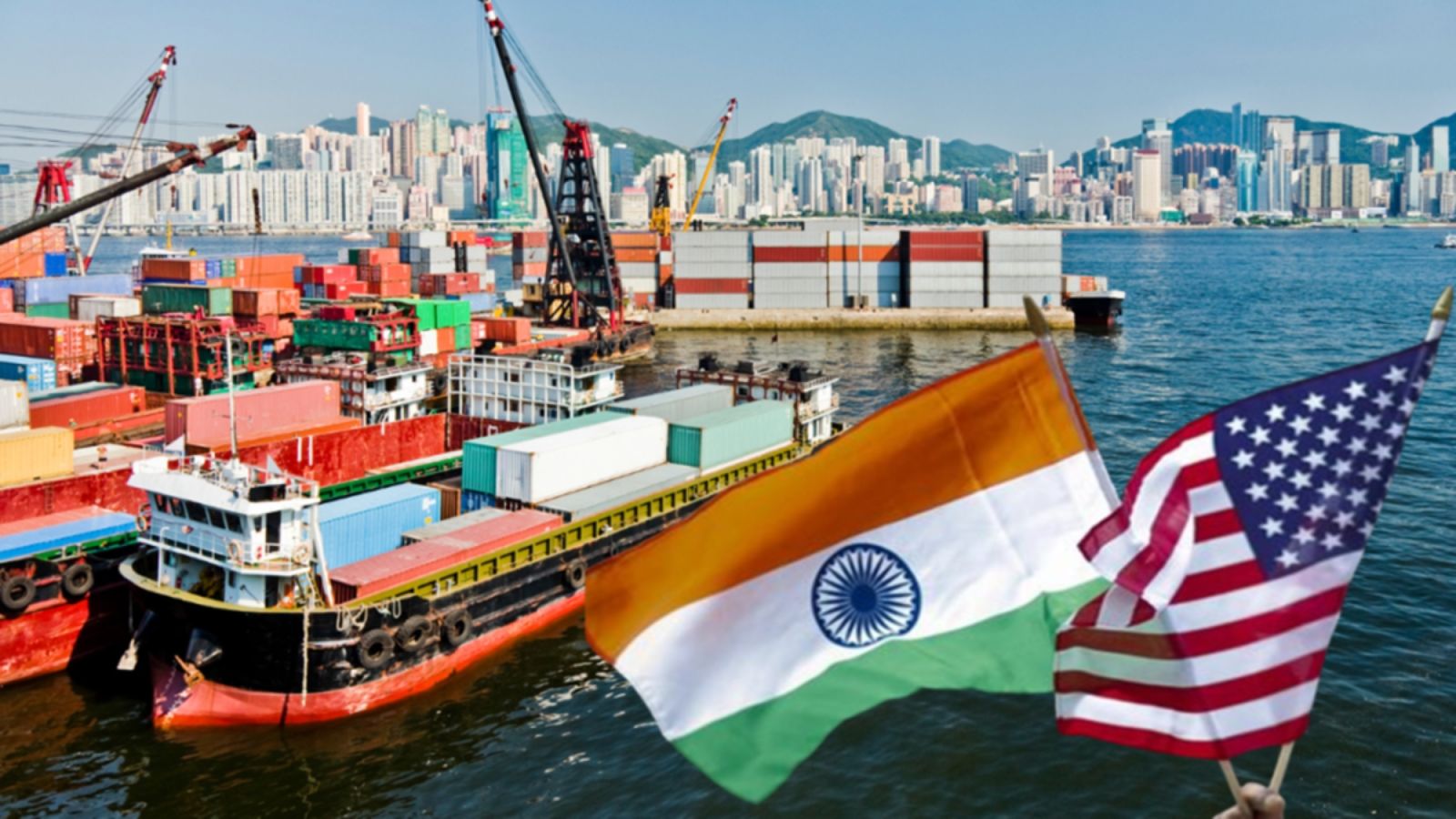
In Colombo, people credit New Delhi with keeping their grocery stores stocked and the lights on through a brutal economic collapse. In Islamabad, state rhetoric frames India as an existential threat while ordinary citizens grapple with inflation and governance failures. Meanwhile, in Washington, policymakers are deeply split between viewing India as an indispensable democratic counterweight in Asia and an unpredictable player flashing warning signs on domestic minority rights.
India's global image is not a single story. It is three very different stories happening at the same time.
The Neighborhood Reality Check in South Asia
Geography is destiny. India's immediate neighborhood is where its diplomatic muscle faces its toughest daily tests. You cannot choose your neighbors, and New Delhi has learned this lesson through decades of friction, coups, and currency crises.
Take Sri Lanka. A few years ago, anti-India sentiment lingered from historical tensions and civil war fallout. Then came the catastrophic economic crash of 2022. While Western lenders debated terms and traditional allies hesitated, India stepped in with nearly 4 billion dollars in credit lines, fuel, food, and medicine.
People remember who showed up when the pantry was empty. Today, public goodwill toward India in Sri Lanka sits at a multi-decade high, proving that economic statecraft often beats ideological posturing.
Pakistan tells a completely different story. The bilateral relationship remains frozen in a permanent deep freeze. Political survival in Islamabad often depends on keeping anti-India rhetoric alive on television screens.
Yet, beneath the noisy cable news broadcasts, a quieter reality exists. Many everyday Pakistanis are exhausted by economic decay and look across the border wondering how India managed to build a booming tech economy while their own rupee spiraled into freefall. But official state policy refuses to budge. Rejection remains the default diplomatic posture in Islamabad, driven by institutional inertia inside the military establishment.
Washington and the Beltway Divide
Cross the Atlantic and the mood shifts entirely. Washington loves India, but it also worries about India.
Walk into think tanks in Washington, D.C., and you will hear endless talk about the Quad, maritime security in the Indo-Pacific, and containing the rise of Beijing. To the Pentagon and the State Department, India is a crucial, irreplaceable partner. Trade numbers keep climbing. Defense technology sharing agreements are expanding.
Washington wants a strong partner to balance power in Asia. That is a strategic necessity.
However, Washington's view is far from uniform. Human rights organizations, progressive lawmakers, and mainstream American media outlets push back hard against this cozy geopolitical embrace. They point to rising religious polarization, curbs on free speech, and the treatment of minorities under the current administration.
You end up with a fractured consensus. The executive branch prioritizes geopolitics and trade. Civil society and parts of the legislature spotlight democratic regression. India is simultaneously praised as a bulwark of freedom and scrutinized as a sliding democracy. It is a tightrope walk for diplomats on both sides.
Why Domestic Politics Shape Foreign Perceptions
Foreign policy used to stay locked inside government ministries. Not anymore. Social media, global migration, and diaspora politics mean what happens in New Delhi on a Tuesday morning trends globally by Tuesday afternoon.
When domestic laws change or political speeches cross religious lines, the ripples hit foreign capitals instantly. Western governments cannot ignore domestic voter bases that care deeply about human rights and secularism.
This creates a new challenge for Indian diplomacy. Soft power is no longer just about Bollywood films, yoga days, and classical dance tours. It is about how a nation treats its own people at home.
If you want to understand why India's global image looks fractured, look inward. A nation that projects strength and economic ambition abroad must also manage complex pluralism at home. Global perception is a mirror. When the reflection at home is contested, the image abroad shatters into conflicting pieces.
Global influence is built on consistency. India wants a permanent seat at the high table of global governance, a greater voice for the Global South, and recognition as a superpower. To secure those goals permanently, New Delhi must navigate these sharp regional divides and bridge the gap between strategic utility and democratic values.
The world isn't waiting around to make up its mind. The verdict is still being written on the streets of Colombo, the talk shows of Islamabad, and the hearing rooms of Capitol Hill.