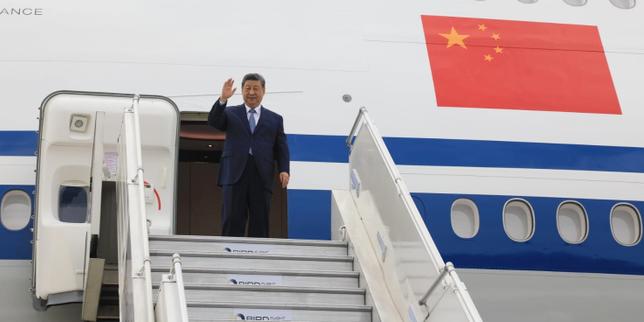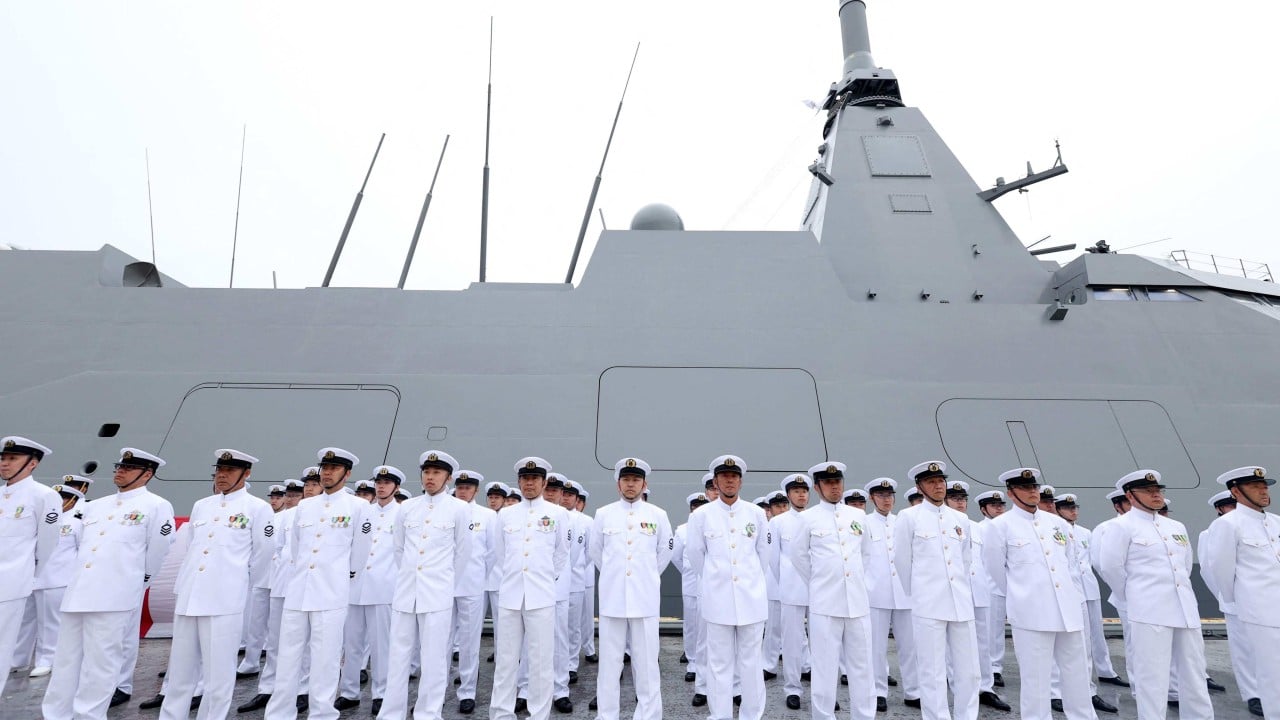
The security architecture of the Indo-Pacific is shifting underneath our feet, and Tokyo's expanding defense posture sits squarely at the epicenter of the friction. At the annual Beijing Xiangshan conference, senior Chinese military and defense officials used the international spotlight to issue sharp warnings regarding Japan's accelerating military build-up and potential revisions to its post-war pacifist principles.
For decades, Article 9 of Japan's constitution functioned as an absolute ceiling on offensive military projection. That ceiling is now cracking under the pressure of escalating regional competition and deep-seated bilateral anxiety. Beijing’s leadership views Tokyo's trajectory—including proposals to push defense spending toward three percent of gross domestic product and debates surrounding nuclear policy exceptions—not as routine modernization, but as a systematic dismantling of the post-war international order.
Senior Colonel Chen Xi and other defense representatives framed these policy shifts as a dangerous historical regression. From Beijing's perspective, Tokyo is weaponizing regional tensions to justify an unprecedented accumulation of power, particularly through expanded missile procurement, cyber warfare capabilities, and deepened security interoperability with external actors like NATO members.
Yet focusing solely on diplomatic posturing misses the more profound structural bottleneck facing Tokyo. Japan's grand military ambitions are colliding with harsh fiscal realities and severe industrial constraints.
Procuring next-generation hardware requires immense capital injection, yet domestic economic sluggishness and a weak national currency complicate budgetary allocations. Furthermore, defense supply chains are heavily strained. Major strategic stockpiles, including advanced missile interceptors, remain depleted across allied inventories, with production lines struggling to scale rapidly enough to meet projected defense milestones.
When a state attempts to fast-track remilitarization while tethered to constrained manufacturing ecosystems and competing domestic economic priorities, deterrence gaps inevitably open. Warnings issued at forums like Xiangshan underscore a dual-track reality. Beijing is mobilizing diplomatic and rhetorical pressure to delegitimize Tokyo's defense normalization, while regional analysts watch closely to see if Japan's industrial base can actually sustain the military machine it has promised to build.
The friction in the East China Sea is no longer a matter of diplomatic semantics. It is a high-stakes race between geopolitical ambition and industrial reality, with the margin for error shrinking every single day.