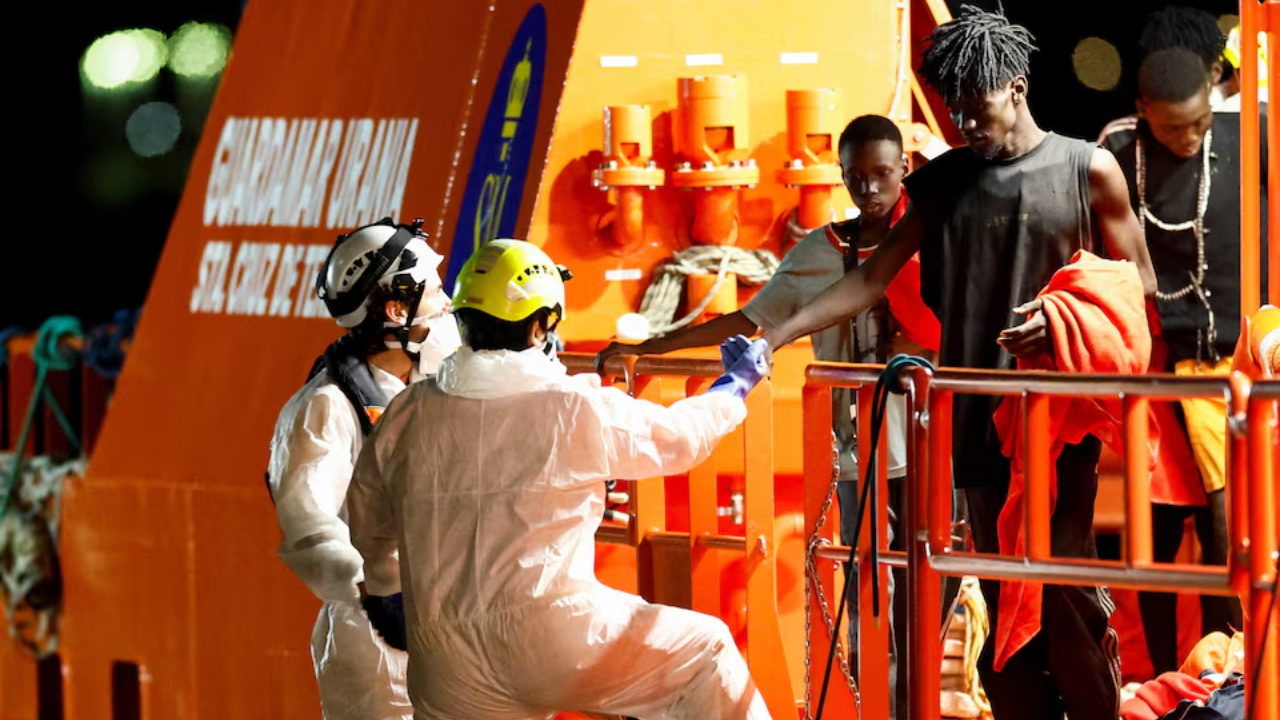
When more than seventy thousand people flooded across the maritime breakwater into the Spanish North African enclave of Ceuta in late July, they did not just overwhelm a fence. They exposed the fragile fault lines of European border security and the complex geopolitical choreography binding Madrid to Rabat. Spanish Prime Minister Pedro Sánchez stood before parliament to insist that no international body, diplomatic service, or intelligence agency had provided solid evidence that Morocco planned or orchestrated the mass crossing. Yet, acknowledging that Moroccan security forces essentially stood down and permitted crossings to happen during a critical ten-hour window tells a very different story of quiet complicity and diplomatic expedience.
The fallout from that deadly July surge has transformed a remote border town into a political pressure cooker. Ceuta, a territory measuring just eight square miles with a permanent population hovering around eighty-four thousand, became home to thousands of stranded arrivals, turning local beaches into impromptu camps and plunging municipal services into permanent crisis. While the Sánchez administration continues to shield its bilateral relationship with Morocco from outright fracture, local frustration boils over. Protests have rocked Madrid and the exclave itself, demanding accountability for a disaster that claimed dozens of lives, mostly through drowning.
The Anatomy of a Border Collapse
Understanding how an influx of this magnitude materializes requires looking past official talking points and examining the mechanics of the frontier. Standard human trafficking networks operate at a distinct scale. Intelligence assessments indicate that local smuggling rings in northern Morocco possess the logistical capacity to mobilize at most a few hundred individuals daily. An operation scaling to seventy thousand people inside forty-eight hours defies the operational limits of localized criminal syndicates. It requires either total institutional paralysis or a calculated relaxation of enforcement.
Leaked internal security documents suggested that Moroccan border guards were deployed in significantly reduced numbers during the peak hours of July 30. Eyewitness accounts and police notes point to a posture of total permissiveness. Officers reportedly refrained from dispersing crowds, and in some instances, directed individuals toward the breakwater.
Madrid faces an impossible diplomatic dilemma. If Sánchez openly accuses Rabat of engineering the crisis to extract political or economic concessions, the fragile migration cooperation pact collapses. This partnership remains the primary bulwark stopping thousands of transatlantic departures. Consequently, the Spanish government attributes the movement to digital disinformation campaigns, social media manipulation, and widespread misinterpretations of a court ruling regarding border returns.
The Geopolitics of Silence
Diplomacy often demands strategic blindness. Morocco has long maintained territorial claims over Ceuta and Melilla, Spain's twin North African footholds. Whenever bilateral tensions flare, migration management tends to fluctuate accordingly. Moroccan officials have previously argued that managing crowds without active physical barriers is difficult, pointing to the immense social pressures on their side of the fence.
However, public statements from Moroccan ministers following the crisis crossed diplomatic red lines, prompting Madrid to summon the Moroccan ambassador. These friction points highlight the transactional nature of Mediterranean border control. Europe relies heavily on North African partners to externalize its migration management. When those partners loosen their grip, the physical reality hits European soil instantly.
For months, Spain championed a progressive stance on immigration, framing demographic inflows as an economic asset rather than an existential threat. The Ceuta catastrophe severely strains that narrative. When thousands of migrants sleep rough on urban beaches, and local residents find themselves locked out of their neighborhoods, abstract political philosophies about economic dynamism collide with visceral public anger. Right-wing European factions quickly weaponized the chaos, pressing Madrid to adopt harder restrictions and align fully with stringent European Union asylum pacts.
The Human Cost on the Ground
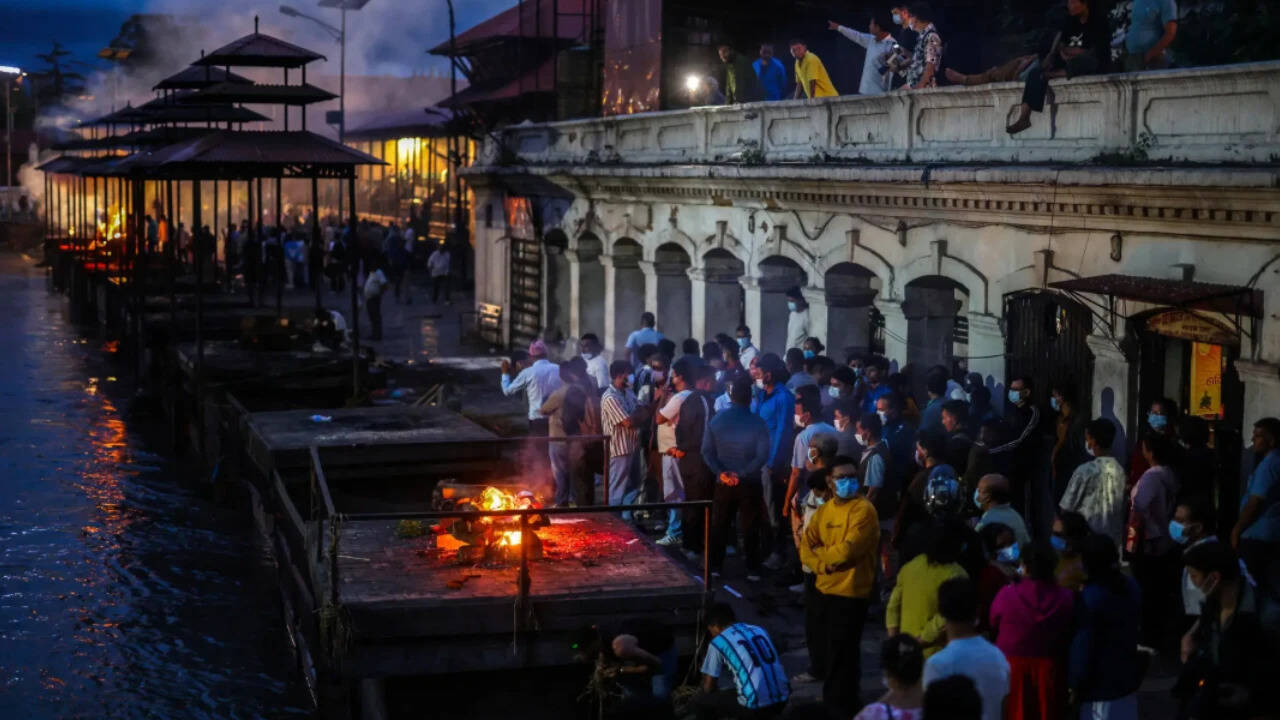
Statistics sanitize catastrophe. Behind the dry diplomatic communiques lie the real figures of the tragedy: roughly one hundred and forty lives lost to the sea, families fractured, and thousands of unaccompanied minors left stranded in legal limbo. Local social services in Ceuta broke down within days. Aid organizations and exhausted neighbors stepped in to provide basic provisions while central authorities spent weeks debating jurisdictional responsibility.
Security conditions inside the territory deteriorated as makeshift camps swelled. Incidents of civil unrest, tent fires, and assaults underscored the unsustainable pressure placed on a community unequipped for mass humanitarian deployment. Even as the vast majority of those who crossed were eventually returned or chose to go back, the lingering population of several thousand individuals left behind keeps the territory in a state of suspended animation.
Prime Minister Sánchez insists that no hard proof ties the Moroccan state directly to the planning of the surge. Yet, by conceding that Moroccan police actively allowed the crossings during that critical ten-hour window, the official narrative unravels. Deniability functions as a diplomatic shield, but it offers little comfort to a border city forced to pick up the pieces after a geopolitically engineered wave recedes.