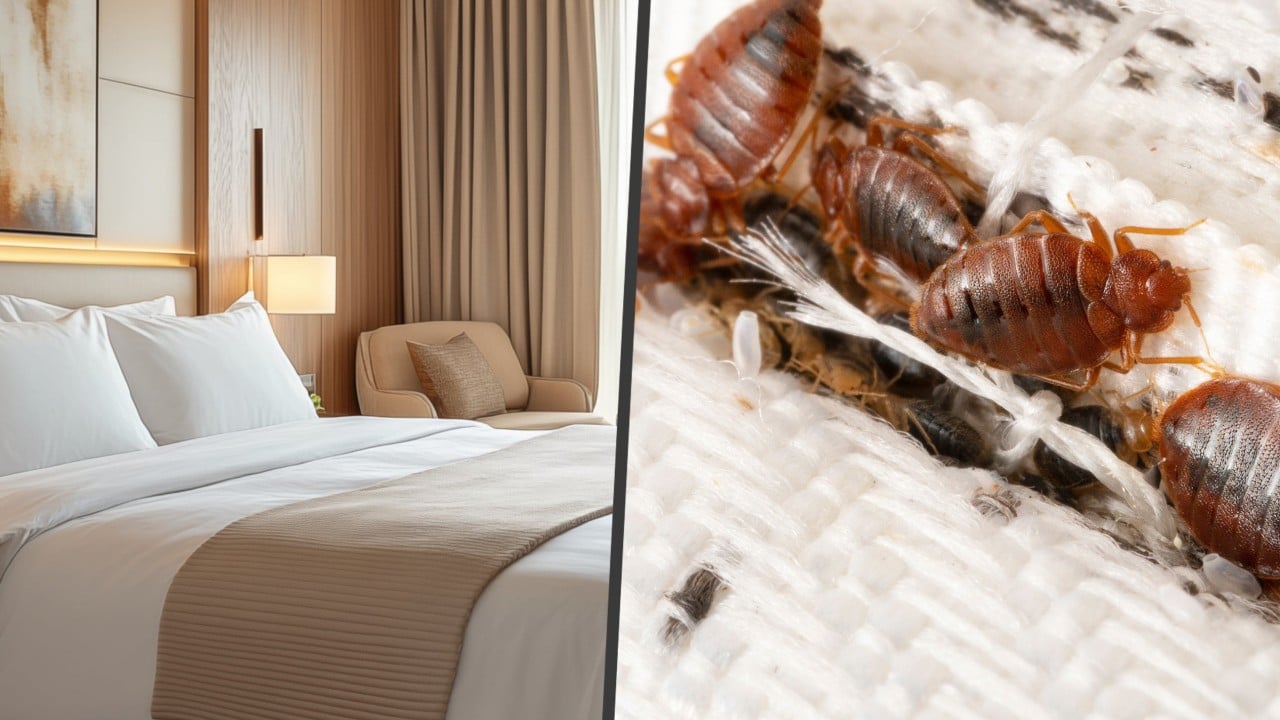
Travellers across mainland China are bypassing traditional hotel review scores in favor of a crowdsourced digital map that pins suspected bed bug infestations directly onto a national interface. Built largely through grassroots mini-programs and shared map overlays on popular social networks, the China digital bed bug map allows guests to drop location markers, upload photographic evidence of bites or insects, and warn future visitors before they check in. This sudden shift exposes a deep fracture between official hospitality star ratings and the reality of post-pandemic housekeeping standards.
For decades, hotel sanitation in major transit hubs relied on periodic municipal health inspections and the threat of bad reviews on dominant booking platforms. That system broke down. When domestic travel surged following the lifting of strict border and movement restrictions, turnover rates at budget chains, mid-tier business hotels, and even high-end resorts skyrocketed. Rooms were flipped in minutes rather than hours. Housekeeping crews, stretched thin by labor shortages and tight turnaround quotas, missed the early warning signs of Cimex lectularius—the common bed bug—tucked deep inside mattress seams and headboard joints.
How the Digital Map Works Behind the Scenes
Unlike a centralized government database, the tracking system operates through decentralized, user-generated layers. Users access shared map links via mobile messaging apps or social platforms, zooming into specific city districts to see clusters of red pins or warning icons. Tapping a pin reveals a timestamped log containing the hotel name, room number if known, and user-submitted photos of dark fecal spots, shed exoskeletons, or welts on skin.
The mechanism thrives on frictionless reporting. Traditional online travel agencies (OTAs) often bury negative hygiene reviews under hundreds of automated five-star ratings or delay publication during merchant disputes. A shared map removes the middleman. When a traveller wakes up with linear rows of itchy bites in a Shanghai business hotel or a Chengdu hostel, they do not wait for customer service mediation. They pin the coordinates immediately.
Yet this speed creates an immediate verification problem. Crowdsourced maps lack forensic oversight. A pin dropped on a map cannot distinguish between a confirmed bed bug infestation, a stray mosquito bite, or an allergic reaction to harsh laundry detergent.
Why Traditional Hotel Rating Systems Failed Travellers
To understand why millions of users gravitate toward an unverified map, you have to look at the economics of online travel platforms. Booking sites make money on completed reservations, not cancellations. Consequently, their algorithms prioritize conversion metrics—price, location, and overall aggregate scores—over granular hygiene alerts.
A hotel with four thousand reviews averaging 4.6 out of 5 stars will barely see its score budge if three guests report bed bugs in a single month. Those three warnings get drowned out on page twelve of the review section. Furthermore, hotel managers frequently challenge hygiene complaints on major platforms, demanding laboratory-grade proof that the insect originated in the room rather than in the guest's luggage.
The digital map flips that burden of proof. Instead of forcing the traveller to prove a negative to a platform moderator, the map places the burden on the property to prove its cleanliness to skeptical consumers. Even a single unverified pin on a popular map layer can tank walk-in bookings for a neighborhood inn.
The Biology of a Resurgence in High-Density Transit
Bed bugs are not a sign of dirt. They are a sign of traffic. Entomologists have documented for years that Cimex lectularius thrives wherever human beings sleep in close succession and transport luggage across long distances. High-speed rail networks and budget domestic flights have turned regional cities into tightly connected nodes, allowing hitchhiking insects to travel thousands of kilometers inside suitcase zippers and backpack seams.
Once introduced to a hotel room, a single fertilized female can lay up to five eggs per day. Within weeks, a localized problem becomes a multi-room infestation. The insects migrate through electrical outlets, baseboards, and laundry chutes.
Standard hotel cleaning routines do nothing to stop them. Vacuuming carpets and changing sheets removes visible debris, while adult bed bugs remain wedged inside wooden bed frames or behind wall-mounted televisions, emerging only when carbon dioxide levels and body heat signal a sleeping host. Eradicating an established colony requires sustained thermal remediation—heating a room above 50 degrees Celsius for several hours—or targeted chemical applications by licensed pest control operators. Both methods require taking rooms out of inventory for days, a financial hit many franchise operators refuse to absorb until complaints become impossible to ignore.
The Dark Side of Crowdsourced Vigilantism
Every open-access reporting tool invites abuse, and the China digital bed bug map is no exception. Hospitality industry insiders point out that anonymous pinning opens the door to malicious sabotage. Consider a hypothetical scenario where two competing budget hotels sit across the street from one another in a busy train station district. Without strict identity verification or metadata checks on uploaded photos, a rival operator could easily drop a false pin on a competitor's building during a peak holiday weekend, diverting dozens of anxious travellers to their own lobby.
Extortion is another documented risk in the broader review economy. Unscrupulous guests have been known to threaten properties with public hygiene exposure unless they receive full refunds, free upgrades, or cash compensation. A public map amplifies that threat exponentially. When a single pin carries the visual weight of a public health warning, hotel managers face an impossible choice between paying off a bad-faith actor or watching their occupancy rate collapse.
False positives also stem from simple misidentification. Travellers frequently confuse carpet beetles, fleas, or harmless booklice with bed bugs. Once a property is tagged on a viral map, removing the stigma proves nearly impossible, even if the hotel hires certified exterminators and passes subsequent municipal inspections with flying colors.
Legal Friction and Platform Crackdowns
The rise of public blacklists inevitably collides with commercial defamation laws and platform governance rules. Under Chinese civil law, businesses have the right to protect their commercial reputation against false or unsubstantiated claims. If a hotel proves that a map entry caused measurable financial loss based on fabricated evidence, the individual who posted the pin—and potentially the platform hosting the map—faces civil liability.
Tech platforms walk a tightrope here. Major social networks and mapping providers regularly scrub crowdsourced lists that violate terms of service regarding harassment, unverified medical claims, or commercial interference. As a result, many bed bug maps operate like digital hydra heads. When one shared document or mini-program gets restricted due to merchant complaints, users export the raw coordinates and spin up a mirror version within hours.
How Veteran Travellers Use the Map Without Falling for False Alarms
Relying blindly on a crowdsourced pin is just as foolish as ignoring it completely. Experienced road warriors treat the digital map as a triage tool rather than absolute truth, cross-referencing map pins against recent photo reviews on major booking sites to spot patterns.
If a hotel has a pin on the map, look closely at the attached evidence before canceling your reservation. Real bed bug evidence looks specific: rust-colored smears on mattress piping, tiny translucent skins, or dark spots clustered near headboard screws. Blurry photos of generic red bumps on an arm prove nothing, as skin reactions vary wildly from person to person—some people show zero welts after being bitten, while others react severely to a single flea bite.
Check the timestamps. A cluster of three or four independent reports within a sixty-day window points to an active, untreated infestation spreading between adjacent rooms. A single report from eighteen months ago, followed by dozens of clean reviews mentioning recent renovations, usually indicates a past issue that management resolved.
What to Do the Second You Enter a Hotel Room
Technology cannot replace physical inspection. Even the cleanest five-star property can harbor a fresh introduction left behind by yesterday's guest. Before placing a suitcase on the bed or unpacking clothes into drawers, drop your bags in the bathroom—bed bugs rarely hide on slick ceramic tile or inside porcelain tubs.
Pull back the top sheet and inspect the upper corners of the mattress, paying close attention to the fabric piping and the tags. Use your phone's flashlight to check the gap between the headboard and the wall. If you spot tiny black dots that look like ink bleed from a marker, or see flat, apple-seed-shaped insects scurrying away from the light, walk out immediately. Do not accept a room change down the hall, because infestations rarely respect single-room boundaries; demand a full refund and take your luggage elsewhere.