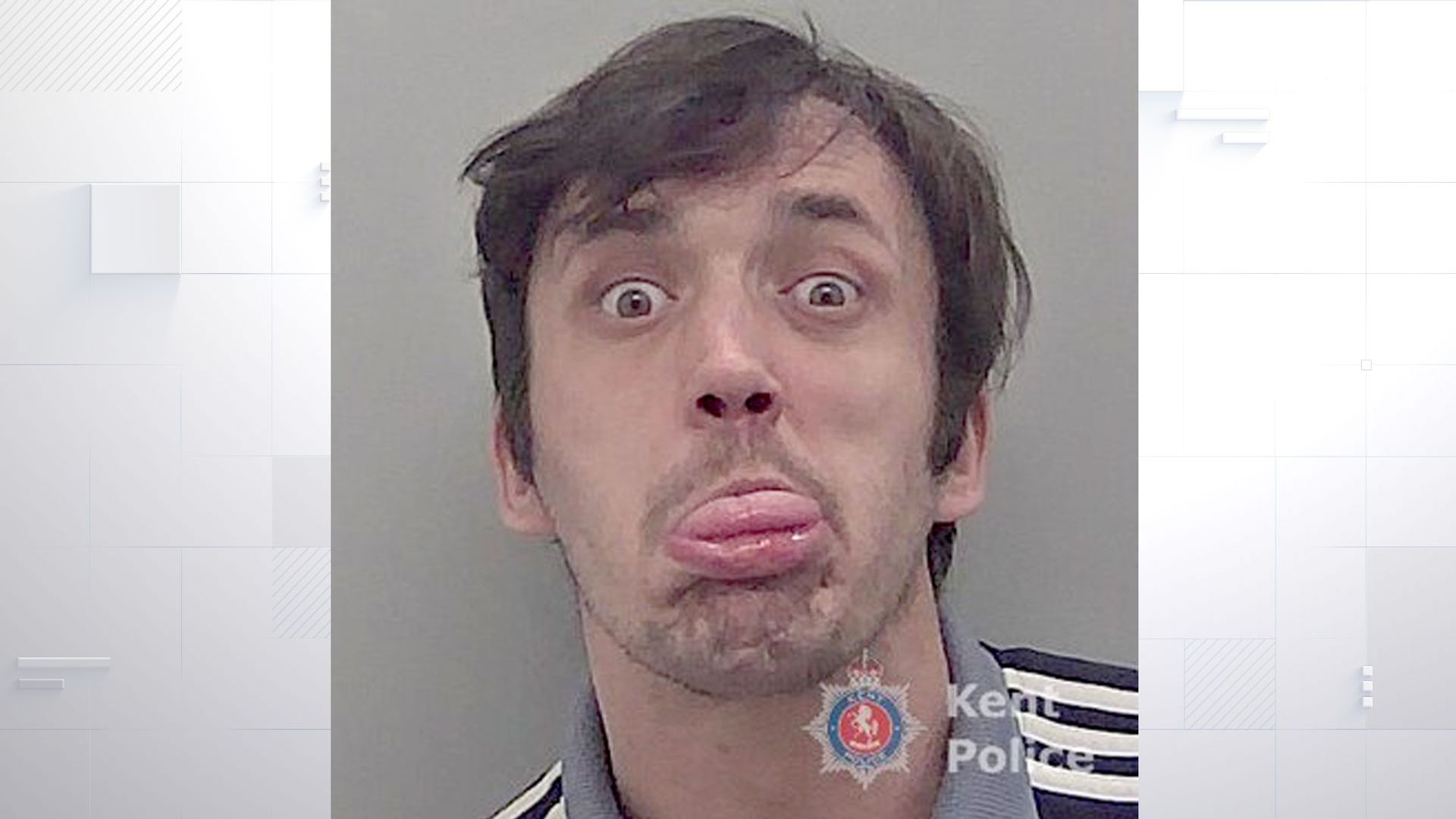
A man who kicked and strangled a woman twice before she escaped to a petrol station has been jailed for nearly three years, walking out of a courtroom with a smirk and a posture of defiance that flashed across newspaper front pages. The image of the perpetrator sticking his tongue out at cameras captured a modern public revulsion. It lays bare the widening chasm between how society views violent misogyny and how institutional courts process it. Behind the viral photograph lies a terrifying forensic reality that ordinary criminal sentencing consistently fails to grasp.
Strangulation is not merely an escalation of a physical fight. It is an execution preview.
For decades, domestic abuse jurisprudence treated manual throttling as a simple battery charge unless the victim died or sustained permanent organ failure. This classification error persists despite overwhelming medical evidence proving that applying pressure to the carotid arteries and jugular veins causes unconsciousness within seconds and death within minutes. When a perpetrator wraps their hands around a partner's neck, they are exercising absolute dominion over life and death. The judicial system's historical habit of viewing this crime through the lens of a scuffle or a heated argument minimizes an act that clinical experts recognize as the single highest predictor of domestic homicide.
The Anatomy of Invisible Lethality
Physical evidence rarely tells the whole story of a strangulation assault. Victims often walk away from violent encounters with faint red marks, minor bruising, or entirely clear skin, creating a evidentiary hurdle in courtrooms that demand visible trauma to substantiate severe charges.
Internal damage tells a vastly different story. The delicate structures of the neck—the hyoid bone, the thyroid cartilage, and the complex vascular network supplying the brain—are exceptionally fragile. Applying subtle mechanical force ruptures blood vessels, triggers catastrophic drops in blood pressure, and causes delayed internal swelling that can kill hours after the attack stops. Oxygen deprivation to the brain creates microscopic injuries resulting in cognitive deficits, memory loss, and neurological trauma that mimics severe concussions.
When courts accept guilty pleas for lesser assault charges because the victim lacks broken bones, they misread biological reality. The absence of a mark does not mean the absence of lethal intent. It simply means the assailant understood how to apply mechanical pressure without leaving an obvious signature for police photographers.
Why the Legal System Keeps Failing Victims
Sentencing guidelines across multiple jurisdictions remain anchored to outdated statutory definitions of bodily harm. Prosecutors frequently lean toward lesser charges because they require less evidentiary burden to secure a conviction, bypassing the rigorous forensic work needed to prove attempted murder or felony strangulation.
This administrative shortcut carries a devastating human cost. A sentence of three years or less sends an unmistakable signal to abusers that throttling a partner is a low-risk gamble with a predictable, manageable penalty. It treats a calculated exercise of lethal control as a momentary lapse in impulse control.
Consider the mechanics of the crime itself. Strangulation requires sustained, deliberate effort. It is not a reflexive punch thrown in panic. It is a slow, methodical choking that demands two hands and continuous physical pressure over a duration that gives the perpetrator ample opportunity to stop. The deliberate nature of the act is precisely what makes the smug courtroom demeanor of convicted abusers so jarring to observers. They understand the system's leniency better than the public does.
Rewriting the Standard of Proof
Transforming how justice systems handle non-lethal violence requires a complete overhaul of investigative protocols. First responders must stop treating strangulation complaints as standard domestic disputes. Medical evaluations must become mandatory parallel tracks in every domestic violence call, utilizing specialized imaging to document internal vascular and laryngeal trauma before bruises have time to surface.
Prosecutors must also stop bargaining away felony strangulation charges to secure quick convictions. When the legal framework treats the compression of an airway as a minor infraction, it becomes complicit in the escalation cycle that turns hospital visits into morgue runs.
The public sees the photograph of the smiling thug because the image shocks our collective conscience. Until the courts match that shock with proportional, uncompromising legal penalties, the courtroom smirk will remain the final, mocking insult in a tragedy engineered by institutional apathy.