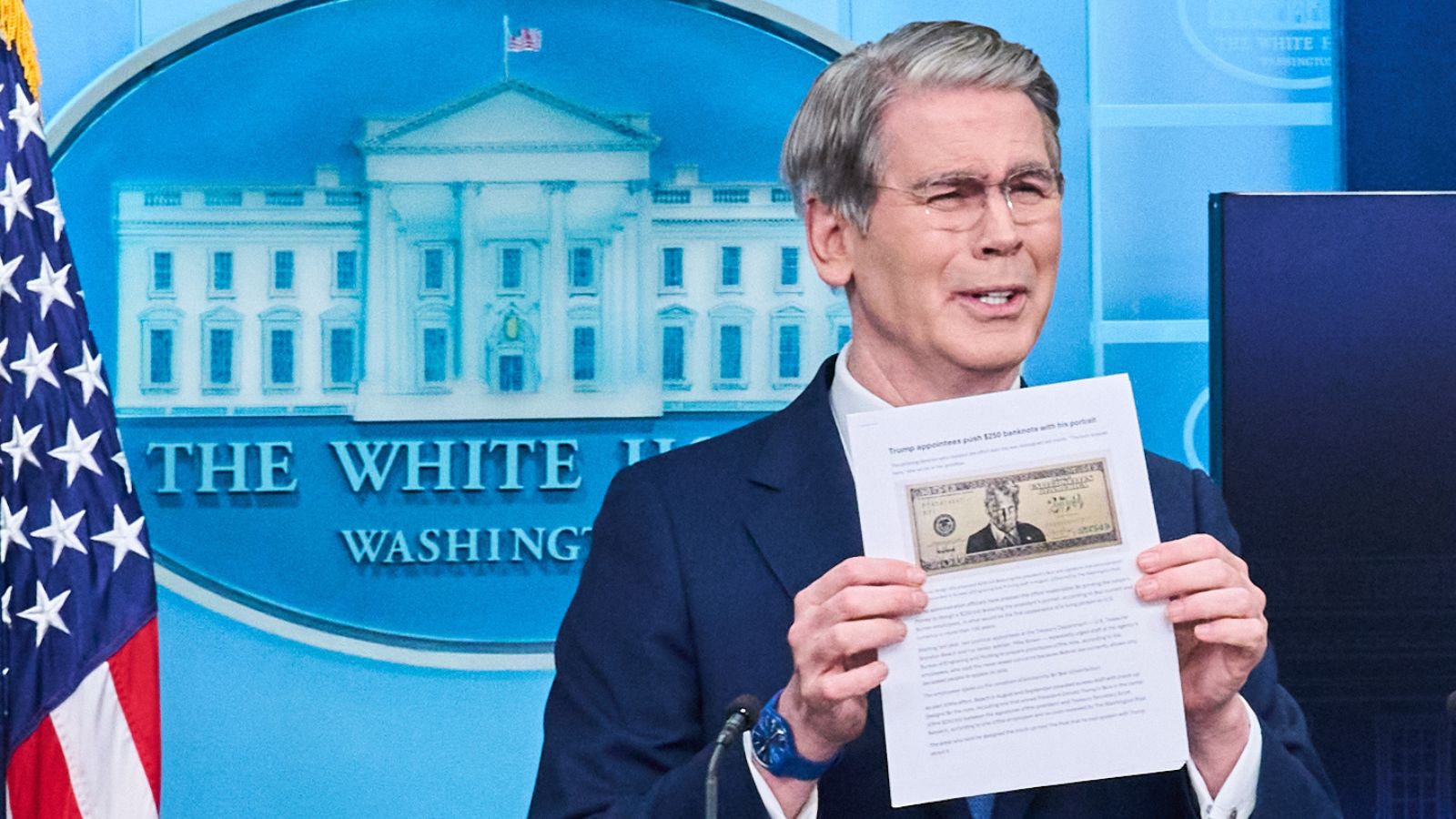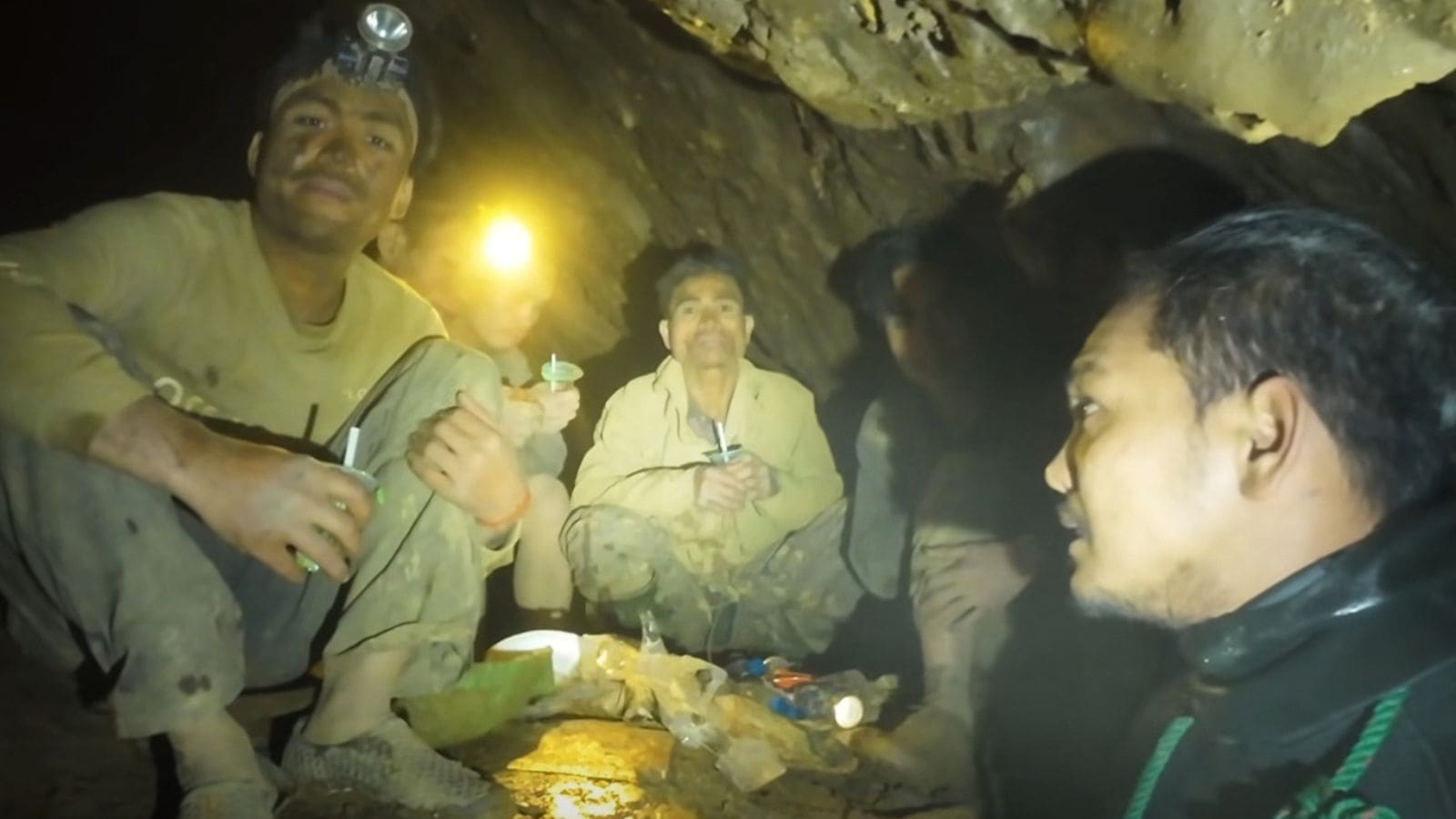
The official itinerary released by New Delhi reads like a standard template of regional diplomacy. Myanmar President Min Aung Hlaing will arrive in India for a high-profile multi-day visit, stopping at the sacred grounds of Bodh Gaya, convening with Prime Minister Narendra Modi in New Delhi, and wrapping up with corporate roundtables in Mumbai. On paper, the Ministry of External Affairs frames the event around civilizational ties, border management, and economic infrastructure. Yet behind the bland bureaucratic lexicon lies a high-stakes geopolitical calculation.
By rolling out the red carpet for the newly minted civilian president, India is executing a deliberate policy pivot. This trip marks Min Aung Hlaing’s first foreign foray since shifting from military junta leader to a formally elected head of state following controversial parliamentary polls. While Western capitals maintain strict isolation and exiled democratic factions condemn the leadership in Naypyidaw, New Delhi is choosing pragmatism over isolation. India is wagering that direct engagement with the regime is the only viable path to protect its volatile northeastern frontier, counter expanding Chinese influence, and secure hundreds of millions of dollars in stranded infrastructure investments.
The Frontier Friction That Dictates Delhi Policy
Geography dictates destiny along the 1,640-kilometer shared border between India and Myanmar. For decades, the dense jungles and mountainous terrain of India's northeast have been plagued by insurgent factions operating across the international boundary. Groups like the United National Liberation Front and various factions of the National Socialist Council of Nagaland have historically utilized the ungoverned spaces of Myanmar's Sagaing Region to launch ambushes on Indian security forces before retreating to safety.
When the military seized absolute power in Myanmar in 2021, the subsequent civil conflict severely diminished the central government's control over its peripheral borderlands. Ethnic Armed Organizations and newer People’s Defence Forces systematically chipped away at military outposts. For New Delhi, this security vacuum presented an immediate nightmare. Deprived of a reliable state partner on the other side of the line, cross-border smuggling of narcotics, synthetic drugs, and illicit weapons spiked dramatically.
The Indian security establishment realizes that stable borders require a functioning state authority. By hosting Min Aung Hlaing, New Delhi seeks explicit operational guarantees. Indian commanders want the Myanmar military to resume coordinated sweeps against anti-India insurgent camps that have taken advantage of the internal chaos.
Yet this expectation clashes with a messy ground reality. The Myanmar state apparatus is stretched thin, battling existential threats on multiple domestic fronts. Expecting Naypyidaw to divert precious battalions to clear out Indian insurgents is an optimistic assumption. New Delhi understands this limitation, which explains why India recently took the unilateral step of terminating the Free Movement Regime, a long-standing agreement that allowed border residents to cross without visas. Security now takes precedence over local cross-border commerce.
The Ghost in the Room
Every diplomatic maneuver India makes regarding Myanmar is inevitably viewed through the lens of its broader rivalry with Beijing. China has consistently expanded its strategic footprint in the Bay of Bengal, viewing Myanmar as a critical corridor to bypass the Malacca Strait. Through the China-Myanmar Economic Corridor, Beijing has poured billions into deep-sea ports, pipelines, and special economic zones that terminate at Kyaukphyu.
India cannot afford to cede this territory. If New Delhi chooses to isolate the regime in Naypyidaw on moral or democratic grounds, it simply pushes the administration further into the strategic embrace of China.
Strategic Balance in Myanmar:
┌──────────────────────────┐     ┌──────────────────────────┐
│      China's Focus       │     │      India's Focus       │
├──────────────────────────┤     ├──────────────────────────┤
│ • Kyaukphyu Deep Sea Port│     │ • Kaladan Transit Project│
│ • Direct Malacca Bypass  │     │ • Northeast Security     │
│ • Economic Corridors     │     │ • Border Stabilization   │
└──────────────────────────┘     └──────────────────────────┘
The upcoming talks between Modi and Min Aung Hlaing will serve as a quiet counterweight to this reality. India’s strategic community realizes that absolute isolation does not break authoritarian regimes; it merely narrows their options. By keeping diplomatic and economic channels open, India offers Naypyidaw an alternative partner, ensuring that China does not gain an exclusive monopoly over Myanmar’s economic and security architecture.
Deadlocks in the Transit Corridor
Economic discussions during the state visit will inevitably focus on resurrecting stalled infrastructure mega-projects. Chief among these is the Kaladan Multi-Modal Transit Transport Project. Designed to connect India's landlocked northeastern states to the Bay of Bengal via the Sittwe port in Myanmar, the project has been hobbled by endless delays, cost overruns, and intense fighting in Rakhine State.
$$Cost\ Overruns + Security\ Risks = Stranded\ Capital$$
Large swathes of the transit corridor run directly through territories where the military has suffered significant setbacks against local insurgent armies. While the business forums in New Delhi and Mumbai will highlight trade potential, the corporate sector remains deeply skeptical. Indian infrastructure companies cannot deploy engineers or heavy machinery into zones where artillery fire and drone strikes are a weekly occurrence.
The regime wants Indian capital to stabilize its cratering economy, which has been battered by Western sanctions and domestic strife. New Delhi is willing to provide development assistance, but it will likely tie future funding to concrete security guarantees for project sites. Without safe corridors, the Kaladan project remains a brilliant geopolitical strategy on paper that fails to function on the ground.
Navigating the Diplomatic Backlash
India's willingness to engage with Min Aung Hlaing carries distinct reputational risks. Exiled democratic groups and international human rights organizations have strongly criticized New Delhi's stance, arguing that hosting the leader legitimizes a regime built on the suppression of democratic institutions.
India’s foreign policy establishment remains unmoved by these criticisms. The Ministry of External Affairs operates on a doctrine of hardheaded realism. Western nations can afford to take a high-minded, values-based approach to Myanmar because they do not share a massive, porous land border with the country. They do not face the immediate fallout of refugee crises, cross-border ethnic violence, or drug trafficking syndicates operating on their immediate doorsteps.
New Delhi’s approach is not an endorsement of authoritarianism; it is an acknowledgement of effective control. For India, a chaotic, balkanized state on its eastern flank is far more dangerous than an authoritarian one. By formalizing ties with the newly reorganized government, India is signaling that it prioritizes regional stability and national defense over external political preferences.
The success of this diplomatic gamble will not be measured by the joint statements signed in New Delhi or the corporate handshakes in Mumbai. The true test will unfold along the rugged ridges of Mizoram, Manipur, and Nagaland. Only if the cross-border flow of weapons slows down, and only if vital economic transit points secure real protection, will India's pragmatic outreach justify its steep diplomatic cost.