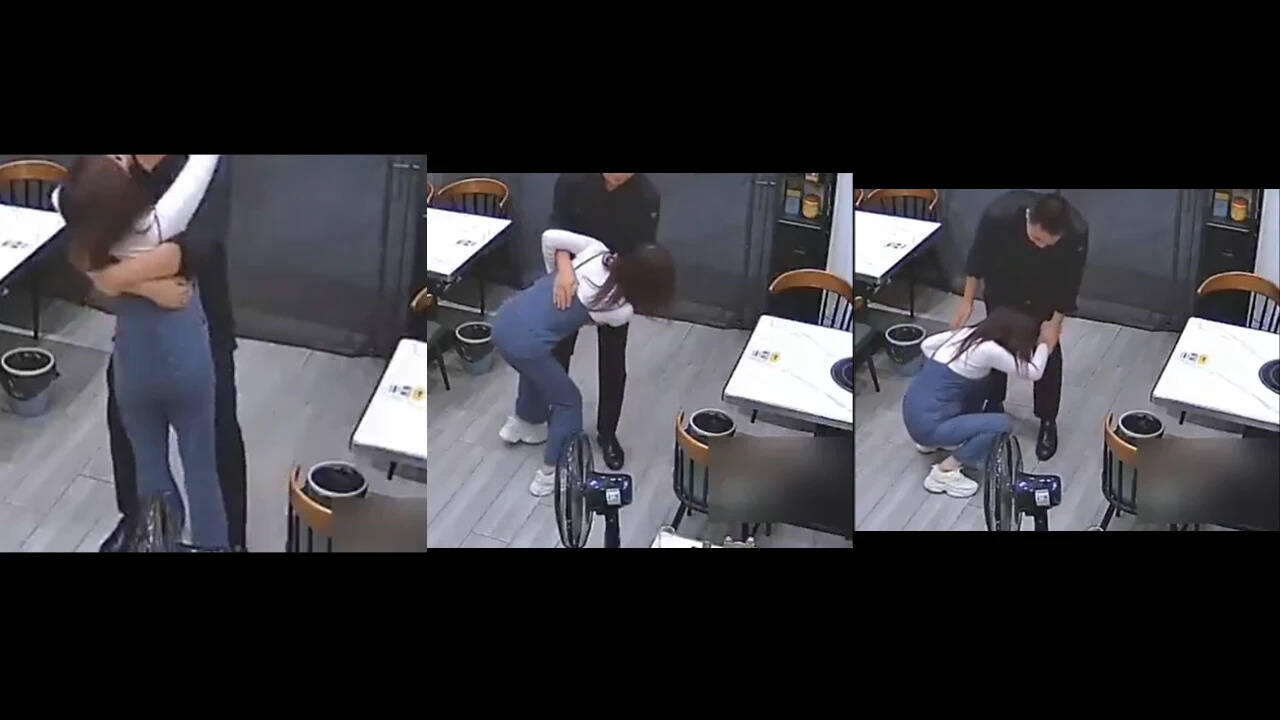
Five broken ribs from a hug sounds like a freak accident or a punchline from a bad sitcom. Yet cases of severe bone fragility triggered by everyday affection—where a spouse applies ordinary pressure and ribs snap—expose a quiet, preventable collapse in skeletal strength driven by extreme dieting and sunlight avoidance. When bone mineral density drops low enough, routine mechanical load becomes a fracture hazard. The real shock is not that a hug can break ribs in a severely compromised skeleton. The real shock is how common the underlying habits are among people who think they are simply being disciplined about weight and skin protection.
I have covered health beats long enough to recognize when a bizarre headline points to a deeper structural failure. Tabloid-style stories love the drama of a single dramatic event, like a husband insisting he barely squeezed his wife before she cried out in agony. Readers click for the shock value. They stay—or should stay—for the anatomy lesson. A healthy rib cage is built to flex, absorb impact, and protect vital organs through a combination of cortical and trabecular bone working alongside intercostal muscles. When that architecture thins out over months or years, a gentle embrace does not need to be violent to cause real damage. Recently making headlines lately: Two Airports, One Shadow, and the Thread Between Them.
How a Routine Embrace Becomes a Fracture Mechanism
Force is relative to structural capacity. A force that feels completely ordinary to a healthy person can exceed the failure threshold of osteoporotic or severely osteopenic bone. Ribs are curved, relatively slender bones subjected to bending moments when compressed laterally or anteroposteriorly. If the outer cortical shell thins and the internal trabecular lattice loses struts and connectivity, stiffness drops and microdamage accumulates faster than remodeling can repair it.
Consider a hypothetical example to see how thresholds shift. Imagine a woman in her thirties who has spent two years cutting calories aggressively while working indoors and wearing heavy sun protection whenever she steps outside. On paper, she might look slim and composed. Under the surface, her bone remodeling balance may have tilted heavily toward resorption, leaving her thoracic cage with a fraction of the load-bearing reserve she had in her twenties. When her partner pulls her into a warm, standard bear hug, the inward compression across her chest wall does not have to be extreme to cross the breaking point of already compromised ribs. More details on this are explored by Medical News Today.
Blaming the husband in these scenarios misses the biomechanics. Unless someone is using genuine brute force, an embrace is an everyday interaction. When routine touch causes multiple fractures, the story is not really about interpersonal force. It is about skeletal fragility that has gone unaddressed until something ordinary gives way.
A fracture from low-energy contact is a clinical red flag, not a quirk of bad luck. In medicine, breaks caused by forces equivalent to a fall from standing height or less—or in this case, routine compression—point directly to compromised bone quality.
Extreme Dieting and the Starved Skeleton
Crash diets and severe calorie restriction are frequently sold as shortcuts to control or aesthetic perfection. They rarely mention the bill collected by the skeleton. Bone is living, metabolically active tissue, not a static coat hanger holding up soft organs. When energy intake drops sharply, the body enters a state of low energy availability, diverting scarce resources away from long-term maintenance functions like bone formation.
Hormonal shifts follow quickly. Severe caloric deficits and rapid weight loss can suppress reproductive hormones such as estrogen, which plays a central role in restraining osteoclasts—the cells that break down old bone—while supporting osteoblasts, the cells that build new bone. At the same time, stress hormones like cortisol can rise, further tipping the balance toward bone loss. Lean mass often drops alongside fat mass, reducing the mechanical pull that muscles normally exert on bone to maintain density.
Extreme dieting also narrows micronutrient intake. Cutting out entire food groups or eating tiny portions makes it difficult to get adequate calcium, protein, magnesium, and zinc, all of which serve as building blocks or cofactors for bone matrix and mineralization. Even if someone takes a multivitamin sporadically, chronic under-fueling undermines the anabolic signals required to keep bone turnover healthy.
| Habit or Factor | Primary Physiological Effect | Impact on Fracture Risk |
|---|---|---|
| Severe calorie restriction | Low energy availability and hormonal shifts | Accelerates bone breakdown and slows formation |
| Minimal sunlight exposure | Reduced cutaneous vitamin D synthesis | Impairs calcium absorption and bone mineralization |
| Low mechanical loading | Reduced muscle tension and weight-bearing strain | Weakens bone architecture over time |
| Inadequate dietary protein and minerals | Scarce structural matrix and mineral supply | Limits repair of daily microdamage |
The counter-argument many dieters offer is that lighter body weight means less load on joints and bones. That logic has a catch. While carrying excess weight alters joint stress, sudden or drastic weight loss without resistance training and adequate nutrition frequently strips bone density faster than the body rebuilds it. You can weigh less on a bathroom scale while becoming structurally weaker on the inside.
The Sunlight Deficit Nobody Connects to Broken Ribs
Sunlight has spent decades on trial for skin cancer and premature aging, and rightly so when exposure is intense and unprotected. Yet the pendulum has swung so far toward total avoidance in some circles that people live practically indoor lives with minimal ultraviolet B contact. Ultraviolet B radiation hitting bare skin triggers the synthesis of vitamin D, a crucial prohormone that helps the gut absorb calcium efficiently and supports normal neuromuscular function.
Without sufficient vitamin D, dietary calcium passes through the digestive tract at much lower rates. Over time, chronically low calcium availability can trigger secondary hyperparathyroidism, where parathyroid hormone rises to pull calcium out of the skeleton to keep blood levels stable. That keeps blood calcium in a tight range—essential for heart and nerve function—at the direct expense of bone strength.
Severe vitamin D deficiency can also contribute to osteomalacia, a condition where newly formed bone matrix does not mineralize properly, making bones softer and more prone to bending, pain, and fracturing. Muscle weakness and aching can accompany low vitamin D status as well, creating a compounding problem where the body has less protective muscular cushioning and stability.
Still, sunlight is not a simple cure-all. Skin pigmentation, latitude, season, time of day, window glass (which blocks UVB), and sunscreen use all change how much vitamin D skin produces. Telling everyone to bake in midday sun ignores real dermatological risks and individual variation. Blood testing for 25-hydroxyvitamin D and thoughtful nutrition or supplementation when deficient offer a far more precise way to address low levels without guessing.
Why Young and Middle-Aged Adults Get Blindsided
Most public messaging around brittle bones focuses on older women after menopause. That framing lulls younger and middle-aged adults into a false sense of security. Peak bone mass is typically built during adolescence and young adulthood, usually leveling off in the twenties to early thirties. Once that peak passes, everyone gradually loses some bone over time—making the starting height of that peak and the habits practiced in adulthood critical.
When a younger person avoids sunlight, restricts food severely, and perhaps avoids heavy resistance exercise, they can slide into osteopenia or even osteoporosis decades earlier than expected. Because early bone loss causes no pain on its own, there is no warning siren until a rib cracks during a hug, a foot fractures during a brisk walk, or a vertebra compresses after lifting a bag of groceries.
Culture adds another layer of denial. Hyper-thinness and rigid food rules are often praised as self-control, while pale, sun-shielded skin is treated as a badge of modern grooming. When a body breaks down under those conditions, people often look for a dramatic culprit—a rough embrace, a sudden twist, a mysterious illness—rather than connecting the dots to months or years of quiet depletion.
Rebuilding Bone Without Swinging to Extremes
Reversing severe bone loss takes patience, and there is no instant fix once structural thinning is advanced. Bone remodels slowly compared to muscle; meaningful changes in density and architecture are measured in months and years, not days. Anyone who has suffered multiple low-trauma fractures needs proper medical evaluation—including bone density imaging such as a DXA scan and lab work—to rule out secondary causes like thyroid disorders, malabsorption, or endocrine issues.
Beyond clinical care, rebuilding resilience requires moving away from punishment-based habits toward adequate fueling and targeted loading. Bone responds to mechanical strain, especially impact and progressive resistance training that pulls on bone attachments, provided the body has enough energy and nutrients to repair and remodel tissue afterward. Eating enough protein, calories, and bone-supportive minerals—and addressing confirmed vitamin D shortfalls—gives the skeleton raw materials instead of starving it.
The gray area lies in balance. Pushing too hard too fast with high-impact exercise on fragile ribs or spine can cause further injury, while staying overly sedentary lets bones stay weak. Working with qualified clinicians and movement professionals helps calibrate safe progression so recovery does not become another hazard.
Stop treating extreme food restriction and indoor isolation as harmless lifestyle choices, and start measuring health by structural strength—starting with a candid conversation with a doctor and a baseline bone and nutrient check before a routine hug turns into an emergency room visit.