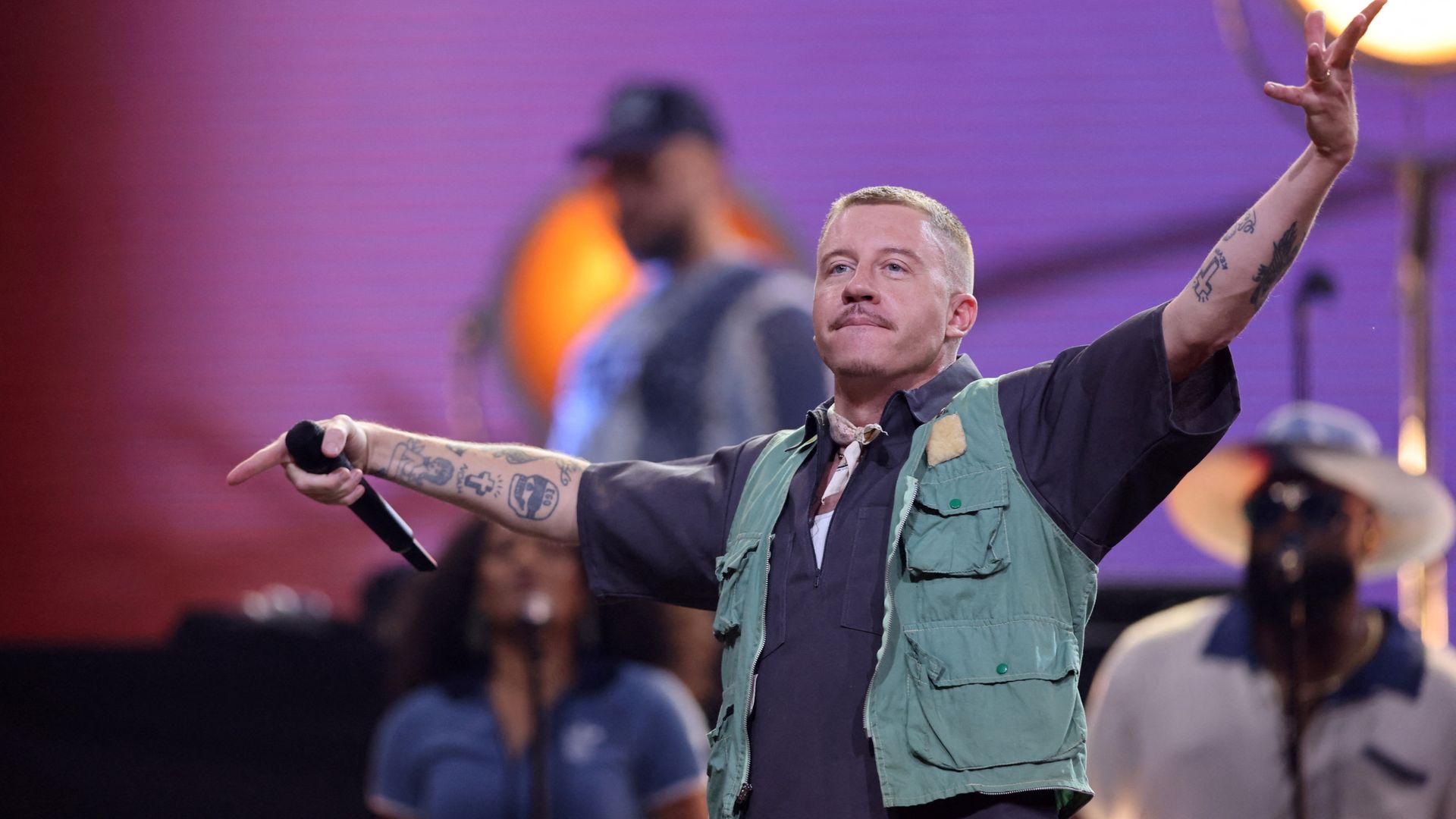
The fifty-second season of Saturday Night Live did not sneak back onto television screens; it arrived with an uncharacteristic urgency on September 26, 2026, marking one of the earliest season rollouts in over a decade. For an institution that has weathered half a century of cultural shifts, political upheavals, and late-night television fragmentation, the premiere was more than a routine return. It was a calculated statement of survival.
When the lights came up on Studio 8H, the broadcast answered the immediate question on viewers' minds by introducing NBA star Jalen Brunson as host alongside musical guest Katseye. Yet beneath the surface of the opening episode lies a much more grueling operational reality. Producing sketch comedy on a weekly live schedule requires a precarious machinery of writers, featured players, and network executives constantly negotiating the line between relevance and exhaustion. If you enjoyed this piece, you might want to read: this related article.
The Anatomy of a Shifting Roster
Change is the only constant that keeps the show alive, yet it is also the mechanism that threatens its internal chemistry. Ahead of the Season 52 premiere, Lorne Michaels and his casting directors injected fresh blood into the ensemble by adding newcomers Saidah Belo-Osagie and Grace Reiter to the featured players. At the same time, the transition of talent saw familiar faces like Ashley Padilla and Jane Wickline step up into repertory status, stabilizing the core group after departures like Chloe Fineman's.
This perennial shuffle is a high-stakes gamble. Bring in too many unproven voices, and the show loses its institutional shorthand—the unspoken rhythm that allows a cast to throw together a functional sketch between Wednesday's read-through and Saturday night's live broadcast. Stay too stagnant, and the audience tunes out, convinced the program has calcified into a nostalgic exercise. Belo-Osagie and Reiter survived grueling summer showcases across Los Angeles, New York, and Chicago, but surviving the audition is merely the preliminary hurdle. The real trial is finding screen time in a bloated 17-person cast where veteran egos and reliable utility players fight tooth and nail for the same handful of commercial-break slots. For another look on this development, check out the latest update from Rolling Stone.
The Mechanics of the Modern Guest Slate
The curation of hosts for the opening stretch of Season 52 reveals a deliberate pivot in how NBC courts fragmented audiences. Following Brunson's opening stint, the autumn lineup brought in figures like Dakota Johnson, Shane Gillis, and Indie Navarrette. Each booking serves a specific diagnostic purpose for network strategists trying to capture linear television holdouts and digital-first viewers simultaneously.
Take the inclusion of online-native creators and polarizing stand-ups. These choices bypass traditional Hollywood publicity cycles. They target hyper-specific online subcultures that treat late-night clips as viral social media currency rather than Saturday night viewing events. When a host brings an existing digital following, the performance is no longer judged solely on how well they read cue cards during a live sketch. It is measured by its cross-platform conversion rate. Can a two-minute clip of a monologue trend on algorithmic feeds by Sunday morning? That metric dictates the modern longevity of network television.
The Exhaustion Loop in Studio 8H
Behind the glittering veneer of celebrity monologues and musical debuts sits a punishing production schedule that routinely stretches writers and cast members past their psychological breaking points. The writing room operates on a relentless triage system. Ideas are pitched on Tuesday night, scripted by Wednesday morning, rewritten until the early hours of Thursday, and rehearsed on a knife-edge until the red light goes on.
This environment breeds brilliance, but it also fosters structural burnout. The pressure to comment on fast-moving news cycles before the culture shifts entirely has forced the writers' room into an unsustainable sprint. When a sketch lands flat, critics often blame a lack of comedic timing. More frequently, it is simply the byproduct of a creative team running on three hours of sleep, trying to satirize a world that has already moved on to three newer headlines by the time the weekend arrives.
The longevity of the program does not stem from its ability to stay pristine. It survives because of its institutional tolerance for high-velocity failure. Every autumn premiere is an exercise in reinvention under pressure. As the fifty-second season settles into its rhythm, the true test is not whether the opening episode made a splash, but whether the machinery can maintain its momentum when the novelty of the premiere wears off and the brutal winter stretch of back-to-back shows begins.