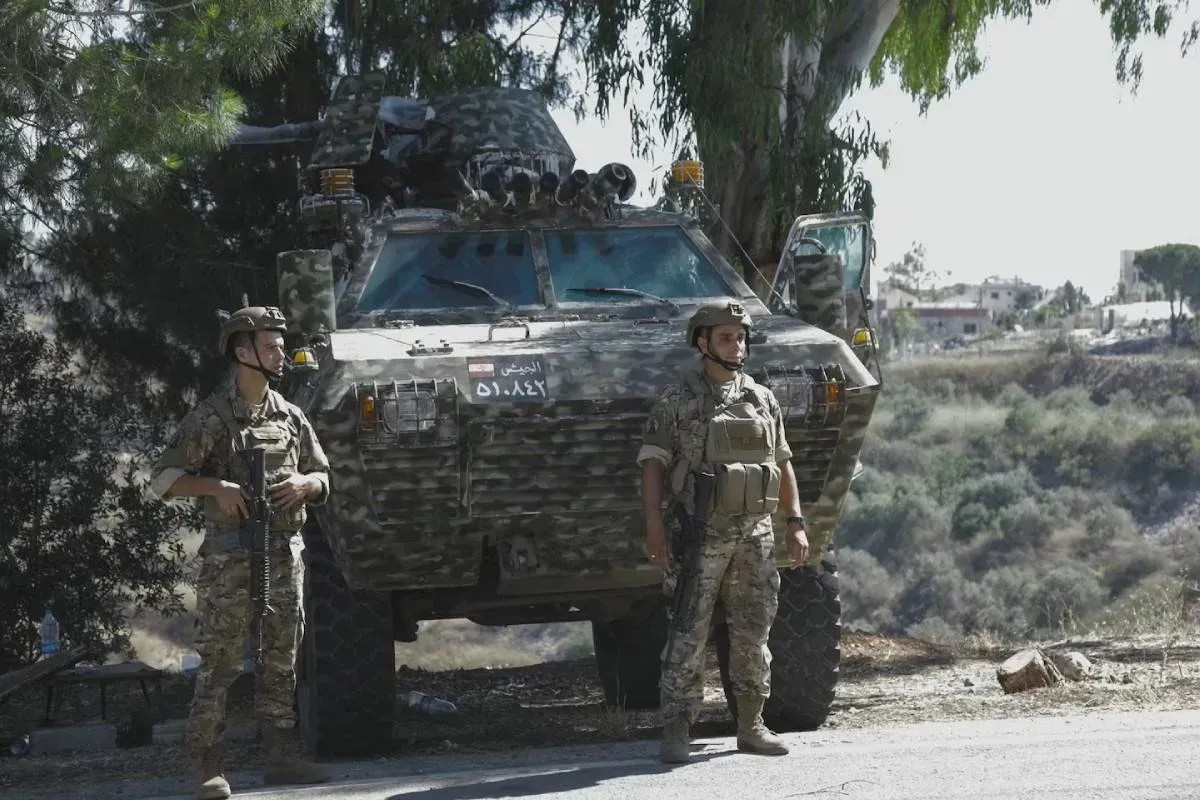
Multimillion-dollar drug trafficking operations across the Caribbean rely on a simple calculus. Smugglers bet that vast ocean spaces, fast boats, and complex international jurisdictions will overwhelm law enforcement. Joint international operations continue to rewrite that math. A prominent example unfolded when a US-led task force—working alongside regional partners like the Colombian Navy and Panama's National Aeronaval Service—intercepted a go-fast vessel, seizing 587 kilograms of cocaine and detaining multiple suspects.
This high-seas raid wasn't just a routine traffic stop on the water. It exposed the shifting tactics of transnational cartels, the expanding footprint of joint military intelligence, and why stopping maritime drug smuggling remains an uphill battle.
The Reality of Maritime Interdictions in the Caribbean
When people think about drug busts, they usually picture cinematic border raids or warehouse busts on land. The reality of stopping narcotics in the Caribbean Sea is entirely different. It involves grueling hours of aerial surveillance, radar tracking, and high-speed pursuits hundreds of miles off the coast.
The 587-kilogram seizure highlights how deep international task forces—such as the Joint Interagency Task Force-South (JIATF-S) and operations coordinated with US Southern Command—must reach. Smugglers don't cruise near the shorelines anymore. They push far out into international waters, using custom-built go-fast boats equipped with multiple outboard engines. These vessels are notoriously hard to spot, let alone capture, without synchronized intelligence between naval patrol aircraft and fast response cutters.
Why 587 Kilograms Matters to Cartels Like Clan Del Golfo
It's easy to look at numbers like 587 kilograms and tune them out as abstract statistics. Let's look at what that cargo actually represents on the ground.
Cartels treat shipments of this size as calculated investments. Losing over half a metric ton of cocaine hydrochloride deals a direct financial blow to syndicates such as the Clan Del Golfo, who rely on steady maritime corridors to push product north toward consumer markets. Beyond the immediate cash loss, intercepting these shipments disrupts the supply chains that fund local corruption, weapon acquisitions, and secondary logistics networks.
When multi-agency task forces track these boats for hours—sometimes leveraging remote maritime patrol coverage stretching past twenty hours of continuous flight time—they disrupt the operational rhythm that cartels depend on.
The Technological and Tactical Shift
Catching a low-profile go-fast vessel on an open ocean is like finding a needle in a massive, moving haystack. That's why modern interdiction relies heavily on overlapping sensor grids.
- Maritime Patrol Aircraft: Long-range planes spot the telltale wake of high-speed vessels long before surface ships can visually acquire them.
- Interagency Coordination: Sharing real-time data between US commands, local coast guards, and regional navies eliminates jurisdictional gaps that smugglers traditionally exploit.
- Endgame Interception: Specialized boarding teams utilize high-speed pursuit boats and airborne use of force to disable engines safely without sinking the evidence or endangering crew lives.
Despite these advanced tools, traffickers adapt quickly. They experiment with semi-submersible craft, modified fishing vessels, and erratic routing to dodge patrols. Every successful interception forces cartels back to the drawing board, but it also prompts them to find riskier, more violent workarounds.
Law enforcement agencies will keep expanding joint patrols across these waters, but the cat-and-mouse game on the open sea is far from over.
Fubu Toy review
This video provides a direct visual look at recent U.S. Coast Guard and joint partner interdiction operations targeting smuggling vessels in the Caribbean.