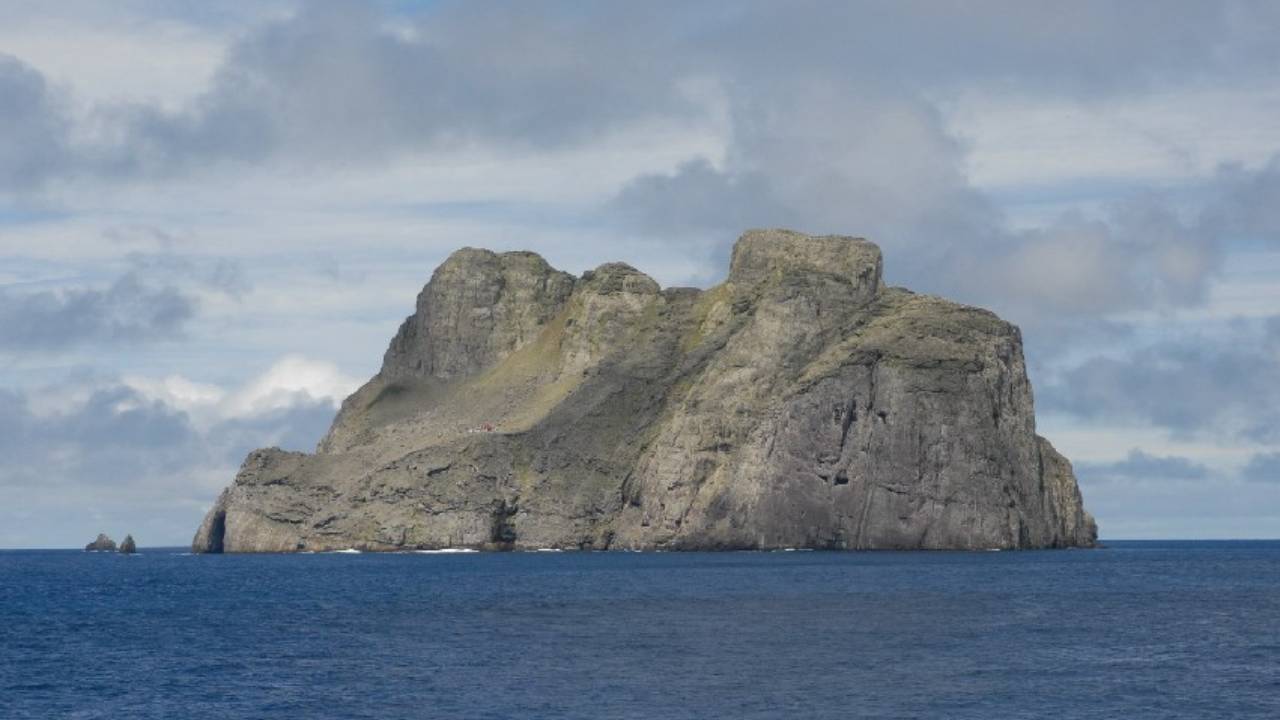
Colombian naval forces intercepted a vessel near the Malpelo Fauna and Flora Sanctuary carrying nearly 1,800 pounds of illegally harvested marine life, exposing a persistent enforcement vacuum in the eastern tropical Pacific. The seizure, which brought to light hundreds of pounds of sharks and other protected species, is just a fraction of the illicit catch moving through isolated oceanic corridors. The Malpelo Sanctuary sits roughly 300 miles off the mainland coast of Colombia. It is a volcanic outcrop surrounded by deep trenches and powerful currents, functioning as a vital congregation zone for hammerhead sharks, silky sharks, and giant groupers.
When authorities pulled alongside the suspect boat, they found a grim cargo that underscores the sheer profitability of black-market seafood trade. Industrial-scale poaching operations treat these remote protected areas not as ecological treasures, but as open bank accounts.
The Anatomy of Pacific Transnational Poaching
Protecting a marine sanctuary the size of Malpelo is a logistical nightmare. The Colombian Navy operates with finite assets across a vast expanse of blue water. Enforcement is a game of maritime hide-and-seek where the poachers hold distinct advantages.
Commercial fishing syndicates utilize advanced technology to track naval patrol schedules. They deploy fast fiberglass skiffs, often called fibrengos, or utilize larger mother ships that remain just outside the legal boundary of the protected zone. These mother ships launch smaller dories at night to drop longlines or set gillnets directly over underwater seamounts where marine life concentrates.
By the time a Colombian frigate or coast guard cutter responds to a radar anomaly, the damage is done. The gear is retrieved, the catch is gutted, and the perpetrators are miles away in international waters or safe harbors across Central and South America.
The economic drivers behind this illicit trade are straightforward. Asian markets drive an insatiable demand for shark fins, swim bladders, and rare reef fish. A single haul of shark fins can net local crews months of average wages, while international brokers reap exponential profits further up the supply chain. Corruption at regional ports further greases the wheels, allowing illicit shipments to be laundered into legal export containers with falsified paperwork.
Why Traditional Patrols Fail
Throwing more patrol boats at the problem is an outdated strategy. The ocean is too big.
Governments often announce high-profile busts like the recent Malpelo seizure as proof of effective governance. Yet, every intercepted boat represents dozens of successful runs that went undetected. Relying purely on physical interdiction is like trying to stop leaks in a sinking ship with a single roll of tape.
Modern conservation requires an intelligence-led approach. This means tracking vessel behavior via satellite telemetry, analyzing automatic identification system dark periods, and mapping the financial flows of the syndicates funding these operations.
[Satellite Tracking] -> [Anomaly Detection] -> [Targeted Interdiction]
When enforcement agencies focus solely on the crews pulling the fish from the water, they target the most expendable tier of a massive criminal enterprise. The captains and deckhands are easily replaced. The financiers who buy the vessels, supply the fuel, and launder the profits remain untouched in coastal commercial hubs.
The Ecological Toll on Seamounts
Malpelo is unique because of its underwater topography. Submerged peaks rise from the deep ocean floor, creating upwellings of nutrient-rich water. This biological engine attracts massive pelagic predators.
When poachers strip sharks from these seamounts, the ecological collapse is swift and cascading. Sharks regulate the populations of mid-tier predators. Without them, herbivorous fish populations can crash, leading to algae overgrowth that smothers coral reefs.
The removal of top predators alters the behavior of remaining marine life. Species become skittish, abandoning traditional cleaning stations and migration routes. Researchers studying the sanctuary have noted measurable declines in sighting frequencies for hammerhead sharks over the last decade, directly correlating with increased fishing pressure along the outer boundaries of the reserve.
Furthermore, illegal longlines are indiscriminate killers. Sea turtles, manta rays, and migratory seabirds become entangled in monofilament lines and drowned hooks. These non-target casualties are rarely counted in the seizure totals reported by enforcement agencies.
Regional Cooperation Breakdown
Jurisdictional fragmentation remains the greatest ally of maritime poachers. The eastern tropical Pacific spans multiple national boundaries, including Colombia, Ecuador, Costa Rica, and Panama.
While these nations established a marine corridor to harmonize conservation efforts, implementation lags behind rhetoric. A poacher chased out of Colombian waters can easily slip across an invisible maritime border into international zones or neighboring jurisdictions where enforcement capacity is even weaker.
Extradition and prosecution laws vary wildly between these countries. In some ports, illegal fishing results in mere administrative fines—treated by syndicates as a simple cost of doing business. Until regional governments standardize severe criminal penalties for unauthorized commercial extraction within protected zones, the legal arbitrage will continue.
Technology offers a glimmer of hope through initiatives like Global Fishing Watch, which uses machine learning to identify suspicious vessel movements in real time. However, data without teeth is useless. Shared intelligence must translate into immediate, cross-border tactical responses.
The 1,764 pounds of marine life seized near Malpelo will be incinerated or buried. The boat will be impounded. But out on the dark swells of the Pacific, another skiff is already being fueled for the run back to the seamounts.