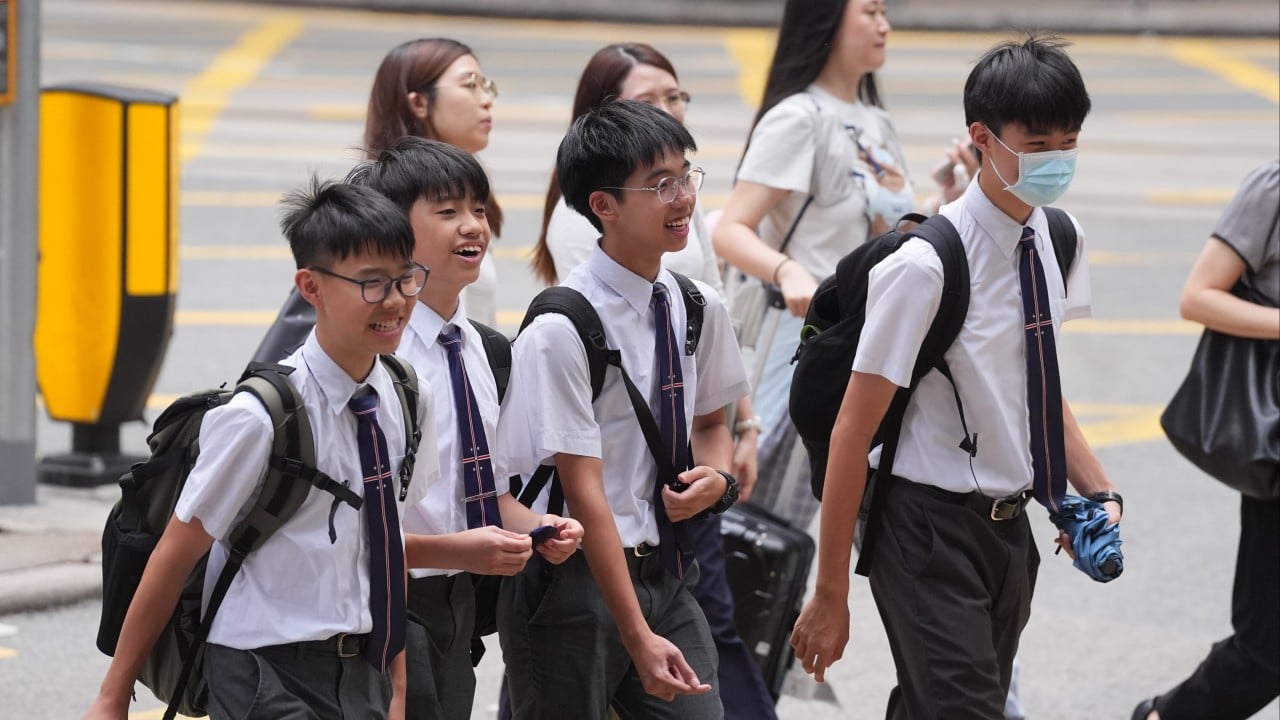
Hong Kong families are quietly dismantling a decades-old summer tradition. For a generation, affluent local and expatriate parents shared an unspoken July ritual: packing children onto long-haul flights to elite boarding schools in Berkshire or the Swiss Alps. That pattern has cracked. Faced with soaring transatlantic airfares, persistent inflation, and compressed corporate housing allowances, thousands of Hong Kong parents are abandoning Western summer schools in favor of premium regional alternatives in Southeast Asia and mainland China.
The shift is immediate and pragmatic. Sending a single child to a traditional British or Swiss residential camp now requires a financial commitment that rivals annual university tuition elsewhere. When round-trip economy flights between Chek Lap Kok and London Heathrow regularly breach unprecedented thresholds during peak summer weeks, the math simply stops working for the middle and upper-middle class. Also making waves in related news: The $300 Billion Illusion and the Men Who Own the Mirage.
Instead of conceding defeat, regional operators are seizing the opportunity. From the tropical campus of Marlborough College Malaysia in Johor to adventure camps in Kanchanaburi, Thailand, a new infrastructure of premium education is absorbing Hong Kong capital. This is not merely a temporary reaction to expensive aviation fuel. It represents a fundamental realignment of how East Asian families calculate the value of seasonal enrichment.
The Extinction of the Casual Long Haul
Aviation economics have fundamentally broken the old playbook. In the past, booking a July flight to Europe or North America was a standard line item in a household budget. Today, airline capacity constraints, rerouted flight paths that avoid closed airspace, and aggressive corporate yield management have turned economy seats into luxury assets. A family of four looking to cross continents during the summer holidays must now confront an airfare bill that easily exceeds the total cost of the actual academic program. Further information on this are covered by Investopedia.
The financial pressure does not stop at the ticket counter. Parents who once accompanied their younger children overseas now face exorbitant hotel rates in London, New York, and Geneva. When local inflation across Western Europe is factored into the equation, the total expenditure for a three-week summer course becomes difficult to justify.
This friction has forced a reassessment of value. Parents are asking whether a teenage student truly derives ten times more linguistic or social benefit from a campus in Sussex compared to an international school campus in Singapore or Bangkok. The answer, increasingly, is negative. The prestige of the geographic location is losing its grip on the consumer imagination when weighed against raw logistical friction.
The Rise of the Regional Elite Campus
Southeast Asian institutions have spent the last half-decade preparing for this exact moment. The infrastructure available in regional hubs now matches, and in some cases surpasses, what is offered by aging European facilities. International schools in Thailand and Malaysia boast Olympic-standard swimming pools, professional-grade recording studios, and sprawling green campuses that are physically impossible to replicate in high-density Hong Kong.
Consider the options closer to home. Programs operating out of locations like Ayana Bali or the historic grounds of colonial-era hotels in Phnom Penh offer immersive experiences for a fraction of the cost. A week of specialized instruction at a premier Southeast Asian camp rarely exceeds several thousand Hong Kong dollars. Contrast this with Swiss residential options that demand tens of thousands of Hong Kong dollars per week before factoring in the cost of long-distance transit.
+-----------------------------+-------------------------+-------------------------+
| Destination                 | Typical Weekly Fee      | Flight Duration from HK |
+-----------------------------+-------------------------+-------------------------+
| Switzerland (Residential)   | HK$16,500 - HK$27,900   | 12-14 hours             |
| Malaysia (Residential)      | HK$5,200 - HK$10,400    | 4 hours                 |
| Thailand (Day/Residential)  | HK$3,500 - HK$6,000     | 3 hours                 |
+-----------------------------+-------------------------+-------------------------+
The physical proximity also solves a major psychological pain point for modern parents. A four-hour flight to Kuala Lumpur or Bangkok means parents can remain within the same time zone. They can react instantly to an emergency. If a child suffers from severe homesickness or a medical issue, a return trip does not require an exhausting multi-day journey across hemispheres.
Curriculum Overhaul and the Death of Pure Leisure
The modern Hong Kong parent demands measurable outcomes. The era of sending a child to an overseas camp simply to run around a muddy English field is drawing to a close. Regional programs have recognized this desire for tangible progression, designing curricula heavily weighted toward specific skill acquisition.
STEM academies, competitive coding bootcamps, and intensive language immersion programs have largely replaced generalized recreation. Local providers in Hong Kong and nearby regional cities are partnering with global educational brands to deliver identical course content without the associated travel friction. Organizations with origins in the United Kingdom now operate extensive networks of day and residential camps directly inside major Asian cities.
This commercial pivot allows families to mix and match modules. A student can spend two weeks focusing on robotics in a local science park, followed by a week of intensive sports training in Thailand. This granular approach gives parents total control over the schedule, avoiding the rigid multi-week blocks required by traditional Western institutions.
The Undercurrent of Domestic Alternatives
The reluctance to travel long distances has also triggered an unprecedented boom for domestic day camps within Hong Kong itself. Local universities and international school networks are running at maximum capacity throughout July and August. From French conversational groups in Central to specialized soccer clinics in Kowloon, the city has become a self-contained ecosystem of summer enrichment.
This domestic surge highlights a deeper truth about the city's socioeconomic reality. Even when global travel becomes inconvenient, the competitive drive among local parents remains absolute. The summer break is viewed not as a vacation, but as a critical window to build credentials, master new skills, and secure advantages for future university applications.
The financial windfall for local operators is substantial. Families are redirection funds that would have been spent on European hotels into high-end local masterclasses. This cash injection allows domestic programs to hire top-tier international instructors, creating a self-reinforcing cycle that keeps capital inside the region.
Shifting Geopolitics and Global Horizons
The choice of geography carries more weight than simple financial optimization. For decades, Western summer camps served as an initial introduction to a planned pipeline of overseas boarding school and university education. By altering the summer destination, parents are subtly shifting the future trajectories of their children.
Familiarity breeds preference. As a generation of young students spends its formative summers exploring regional neighbors like Singapore, mainland China, and Japan, their cultural reference points are shifting. The historical assumption that an ambitious student must look toward the West for premium validation is facing quiet resistance from a more confident, interconnected Asia.
Furthermore, regional safety profiles and political stability have become explicit factors in parental calculations. Concerns over rising urban crime rates and social friction in some Western cities have entered private school-gate conversations in Mid-Levels and Kowloon Tong. Rightly or wrongly, Southeast Asian resorts and gated international school campuses are perceived as controlled, secure environments.
The Long Term Economic Calculation
This migration of educational capital is unlikely to reverse even if airfares stabilize in the coming years. Once a family establishes a relationship with a high-performing regional camp and observes the concrete results, the incentive to return to the logistical headaches of long-haul travel diminishes.
Western boarding schools that rely on Asian summer revenue to subsidize their year-round facilities face a difficult future. The premium pricing model requires a seamless delivery of convenience and prestige. When the convenience vanishes due to airline structural challenges, the prestige alone is often insufficient to carry the economic burden.
The ultimate winners of this disruption are the regional education hubs. By providing world-class infrastructure, localized logistical ease, and competitive pricing, Southeast Asia has transformed itself from a secondary backup option into a primary destination for the most discerning academic consumers in the world. Hong Kong families are leading the charge, voting with their checkbooks and their calendars.