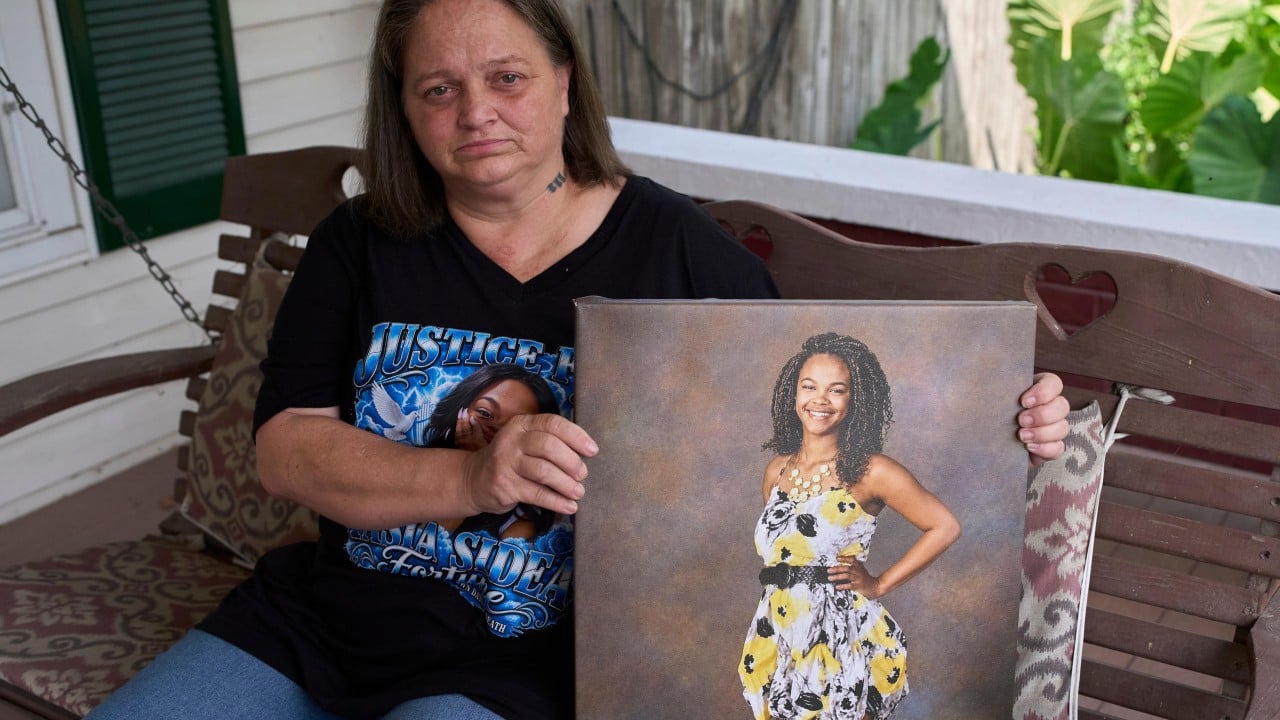
When the body of twenty-nine-year-old Tasia Fortune was discovered hanging from a tree behind an abandoned home in Jackson, Mississippi on August 3, 2026, the local community and national observers immediately felt a chilling echo of the American South's darkest history. The visual of a Black woman hanging outdoors in Mississippi carries a profound historical weight that transcends ordinary crime reporting. Yet, as investigators peeled back the layers of the initial discovery, the reality uncovered by local authorities pointed to a different kind of horror altogether.
Jackson police officials and medical examiners revealed a critical finding during court proceedings: Fortune was already dead before her body was ever placed in the tree. According to testimony from Detective Samuel Dukes, the hanging was entirely staged. Investigators concluded that Fortune had been killed during a violent dispute related to local drug activity, after which the perpetrators attempted to manipulate the scene. This distinction separates a physical lynching from a post-mortem concealment tactic, though the psychological impact on a community bearing generational trauma remains absolute.
In homicide investigations, staging a crime scene is a desperate psychological maneuver by perpetrators attempting to misdirect law enforcement, obscure the true motive, or simulate a different category of crime. Experienced detectives look for specific forensic signatures when a scene has been altered. Lividity patterns, ligature marks, and defensive wounds tell an unvarnished story that physical staging cannot erase. In Fortune's case, medical examiners determined that she fought fiercely for her life before she was killed. That physical struggle left evidence that contradicted the stationary appearance of the staged recovery site, allowing forensic pathologists and investigators to establish homicide rather than suicide or an authentic hanging.
The fallout from the discovery triggered a multi-jurisdictional manhunt and subsequent arrests. Authorities took fifty-one-year-old Jarques Ratliff into custody, followed shortly by the arrest of twenty-five-year-old Earnest Lloyd Jr., with additional warrants issued for a third suspect. All three men, much like Fortune herself, are Black, altering the initial external narratives that surfaced before forensic facts were established. During court hearings, defense representatives entered not-guilty pleas while family members navigated the harrowing public spotlight.
For Fortune’s mother, Christy Spivey, the public attention brought a complicated mix of exposure and pain. Spivey noted that while the grotesque staging of her daughter's body amplified public awareness and forced immediate institutional attention onto the case, it also overshadowed the human reality of a mother of four who had been trying to stabilize her life and launch a cleaning business. The criminal justice system must now parse through competing testimonies, physical evidence, and witness statements as the case moves toward a grand jury.
Staged crime scenes rarely hold up under modern forensic scrutiny, but they succeed temporarily in muddying the initial investigative waters. As judicial proceedings continue in Hinds County, the core narrative has shifted from an assumed historical atrocity to a calculated effort to conceal a violent dispute. The legal mechanism of the state grinds forward to assign accountability, leaving a family to demand final answers in a courtroom.
The video above provides context on the ongoing court hearings and official statements from Jackson law enforcement regarding the arrests.