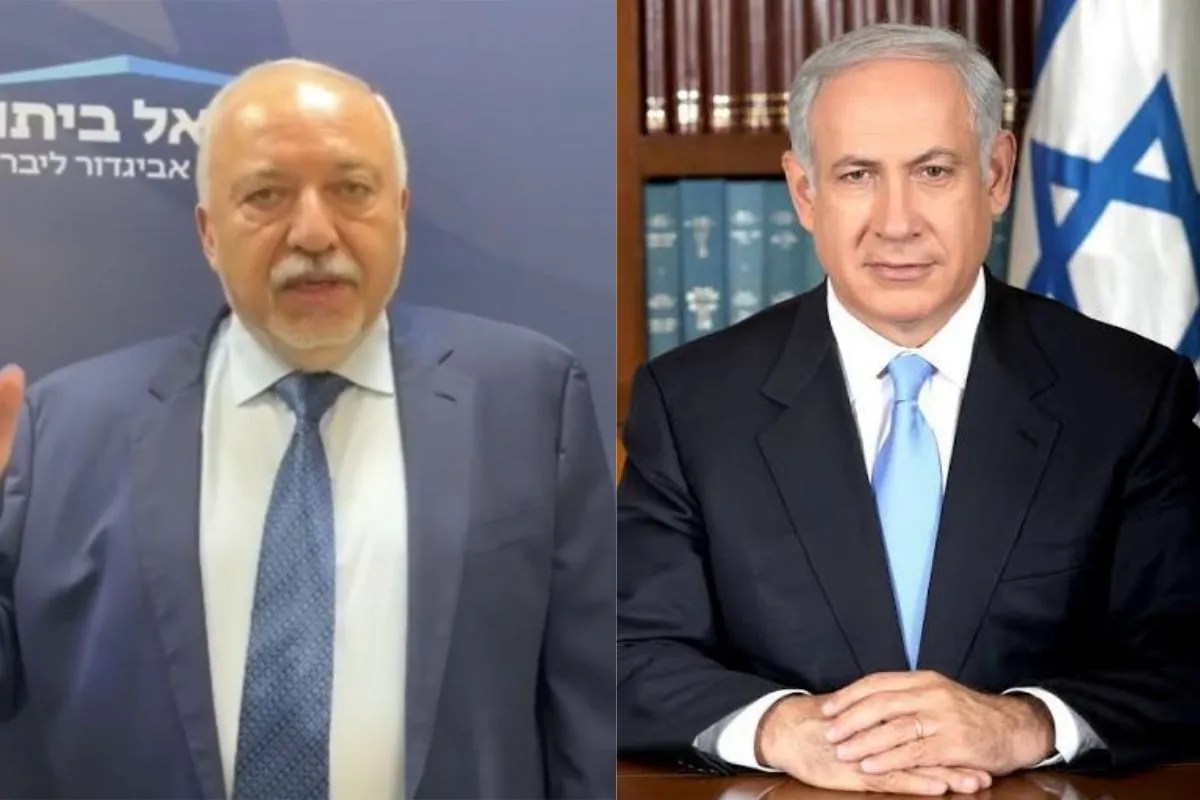
Avigdor Lieberman’s vow to sit in a coalition with neither Benjamin Netanyahu nor Ahmad Tibi exposes a brutal arithmetic trap in Israeli politics. With neither the Netanyahu bloc nor the anti-Netanyahu opposition clearing the 61-seat Knesset threshold after the October 27, 2026 election, Lieberman is trying to force a majority out of incompatible factions while blocking the exact votes that could put a rival government over the top.
In late October 2026, Yisrael Beiteinu chairman Avigdor Lieberman drew a sharp line in the sand: no partnership with Benjamin Netanyahu, and no partnership with Joint List lawmaker Ahmad Tibi. That rhyming soundbite sounds like a clean moral stance. In Jerusalem backrooms, it is a high-stakes gamble with razor-thin margins. Read more on a connected issue: this related article.
The Numbers Behind the Stalemate
Israeli voters went to the polls on October 27, 2026, in the first election following a full four-year Knesset term since 1988. Turnout reached nearly 78%, the highest since 1999, yet the outcome delivered gridlock rather than a mandate.
| Political Bloc or Grouping | Key Parties | Knesset Seats | Status After Vote |
|---|---|---|---|
| Netanyahu Bloc | Likud, Otzma Yehudit, UTJ, Shas, Religious Zionist–Zehut | 53 | 8 seats short of a 61-seat majority |
| Zionist Opposition (Change Bloc) | Yashar, Together, The Democrats, Yisrael Beiteinu | 48 | 13 seats short without outside backing |
| Arab-Majority Parties | Joint List, Ra'am | 19 | Record seat haul; outside formal anti-Netanyahu talks for Lieberman |
President Isaac Herzog tasked Yashar leader Gadi Eisenkot with forming the next government on November 8, 2026. Eisenkot holds a 28-day statutory window—extendable by up to 14 days—to assemble a cabinet that commands at least 61 of the Knesset’s 120 members. Additional journalism by NBC News explores similar views on this issue.
Forty-eight seats is not enough. Even if every party in the anti-Netanyahu camp aligns behind Eisenkot, he still needs thirteen more votes to cross the finish line.
Why Lieberman Refuses the Arab Lifeline
Arab-majority factions surged to 19 seats on October 27, driven by heavy Arab voter participation and the revived Joint List alongside Ra'am. On paper, a government backed by Arab parties—or sustained from outside via abstentions—looks like the straightest path to unseating Netanyahu.
Lieberman calls that math a trap. He argues that a minority government dependent on Arab parties is fragile by design, vulnerable to walking out over budget disputes, judicial clashes, or security operations. If it collapses, he warns, Netanyahu could ride back into power with an even stronger hand.
There is also political self-preservation at play. Lieberman has spent decades building a secular, hardline nationalist brand aimed at Russian-speaking and secular right-wing voters. Sitting in a coalition with Ahmad Tibi—or visibly leaning on Arab lawmakers to govern—would hand Netanyahu and the far right an instant campaign weapon to paint the opposition as illegitimate.
Yet rejecting Arab support carries its own risk. Turning away 19 seats means the opposition has to pry lawmakers away from Netanyahu’s 53-seat camp. That brings the entire negotiation back to the ultra-Orthodox parties.
Courting the Ultra-Orthodox Without Losing His Soul
Before the election, Lieberman campa hard on universal military conscription and curbing ultra-Orthodox exemptions. After the results came in, reality forced a pivot.
In mid-November 2026, Lieberman acknowledged that the opposition’s 48-seat tally meant negotiating with Haredi factions—specifically United Torah Judaism (7 seats) and Shas (6 seats)—to reach 61. Reported meetings with United Torah Judaism chairman Yaakov Asher pointed toward searching for a compromise draft framework that could survive High Court review while appealing to spiritual leadership.
"Either 100% enlistment, or there is no government. Period." — Avigdor Lieberman, speaking to Channel 12 in November 2026 while simultaneously predicting a coalition involving Haredi parties.
That contradiction captures the tension in Lieberman’s strategy. He wants Netanyahu out and a 61-seat majority in place, yet he insists on uncompromising standards over military service. Haredi leaders know their leverage: Shas and United Torah Judaism have deep institutional ties to Netanyahu’s bloc, even as some voices explore whether breaking away could protect budgets and political standing.
To make the math work without Tibi, at least two Haredi factions—or a split inside them—would have to cross over. Even then, every concession to Haredi parties risks alienating secular voters inside the opposition.
What Most Coverage Misses About This Deadlock
Surface-level reporting treats the "neither Bibi nor Tibi" line as a personality feud or a static veto. In reality, three structural pressures are driving Lieberman’s moves right now.
- Care-taker war powers: While Netanyahu heads an outgoing caretaker government, Lieberman has warned against military escalations—including any fresh moves involving Iran—made without full parliamentary oversight or security establishment consensus. Delaying or fracturing coalition talks affects who controls oversight committees and national security decisions.
- Shifting Washington dynamics: Lieberman has pointed to an unprecedented drop in Israel’s standing among the American public as a top strategic worry. In his framing, prolonging political instability or relying on a brittle coalition weakens Israel’s diplomatic footing at a delicate moment.
- The ghost of repeat elections: Israelis remember the five-election cycle from 2019 to 2022 all too well. If Eisenkot fails to build a majority within his allotted window—and no alternative candidate succeeds—the country faces another bruising campaign, with fatigue setting in among voters who just turned out in massive numbers.
Consider a hypothetical scenario where United Torah Judaism agrees to talk while Shas holds firm with Netanyahu. Even if United Torah Judaism’s 7 seats join the 48-seat opposition, the tally reaches 55—still six short of a majority. Without Shas or Arab backing, the math still fails.
Where the Leverage Actually Sits
For all his bluster, Lieberman does not hold a 61-seat majority on his own. His party won 7 seats—a modest gain of one, keeping him a vocal kingmaker rather than the bloc’s largest force behind Yashar’s 21 seats.
His real power lies in vetoing paths he considers fatal to his camp’s survival. By boxing out both Netanyahu and Tibi, he is forcing Gadi Eisenkot and the rest of the opposition to test whether Haredi pragmatism can overcome decades of ideological friction.
If no compromise materializes on military conscription and coalition seats before the mandate clock runs out, the stalemate will not stay a parliamentary puzzle for long. Every unanswered seat in the 120-member Knesset brings Israel one step closer to another test at the ballot box.


