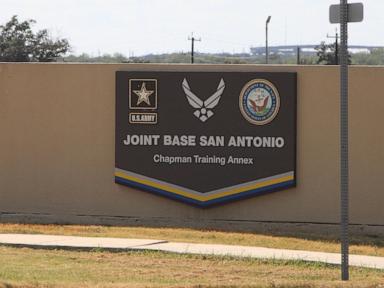
A quiet crisis is unfolding inside the barracks of Joint Base San Antonio-Lackland. Dozens of basic military trainees are cycling through medical isolation wards, shivering with high fevers and dealing with severe respiratory distress. The cause is not an exotic new pathogen or a foreign bioweapon. It is the standard seasonal influenza virus, an ancient enemy that the United States military spent decades successfully suppressing through mandatory immunization.
A sudden shift in Pentagon policy has stripped away those defenses. The decision to rescind the long-standing mandatory flu vaccine for incoming service members has triggered an immediate, predictable collapse in immunity rates. Recent internal metrics show that the flu vaccination rate among recruits at the San Antonio base plummeted to just 40 percent following the policy change. The resulting outbreak represents more than a localized health headache. It exposes a profound vulnerability in national security readiness, turning the historic cradle of the Air Force into a laboratory for preventable disease.
The Mechanics of Recruit Disease
Military boot camps are perfectly engineered for contagion. Young people from every corner of the globe arrive simultaneously, carrying distinct regional strains of common viruses. They are immediately subjected to intense physical exhaustion, prolonged sleep deprivation, and acute psychological stress. These factors combine to suppress the immune system.
Then comes the close-quarters living. Trainees sleep in open bays, share communal dining facilities, and march in dense formations. Under these conditions, a single infected individual can compromise an entire unit within days. Epidemiologists call this phenomenon crowd sickness, a reality that has plagued armies since antiquity.
Historically, the military countered this vulnerability with unconditional medical mandates. George Washington famously ordered the mandatory inoculation of the Continental Army against smallpox in 1777, recognizing that disease killed far more soldiers than British muskets. For generations, entering basic training meant walking down a corridor lined with medics administering a battery of injections. It was an unyielding prerequisite for service.
That framework is gone. By transforming a routine public health measure into an optional individual choice, policy makers ignored the fundamental mathematics of herd immunity. In a high-density environment like a military barracks, a 40 percent vaccination rate is functionally useless. The virus now moves through the ranks with absolute freedom, leaping from unimmunized recruit to unimmunized recruit while occasionally breaking through the defenses of those who did receive the shot.
The Real Cost of Lost Training Days
The operational consequences of an outbreak are immediate and expensive. When a recruit presents with a fever exceeding 101 degrees, they are pulled from the training pipeline. They cannot march. They cannot shoot. They cannot attend mandatory technical lectures.
Every sick day is a lost day of preparation. The Air Force operates on a tightly calibrated schedule designed to turn civilians into airmen in less than two months. When an outbreak hits a training flight, the entire schedule fractures. Symptomatic recruits are placed in isolation facilities, while their close contacts must be monitored closely for signs of infection.
Recruit Infection -> Medical Isolation (7-10 Days) -> Missed Training Milestones -> Class Recycling -> Delayed Fleet Deployment
This creates a severe bottleneck. Recruits who miss essential training blocks must be recycled into subsequent training cohorts. This delays their graduation, extends their time on base, and strains the capacity of training instructors. The financial burden mounts quickly. Housing, feeding, and providing medical care to thousands of non-functional trainees costs taxpayers millions of dollars in unrecoverable overhead.
The damage extends far beyond the gates of San Antonio. The frontline units waiting for these fresh airmen are left short-handed. Cyber warfare divisions, aircraft maintenance crews, and logistics squadrons across the globe depend on a steady, predictable flow of personnel from basic training. A viral outbreak in Texas directly degrades the operational readiness of American forces worldwide.
The Myth of Natural Immunity in the Ranks
Defenders of the policy shift argue that young, fit military recruits are at low risk for severe complications from seasonal illnesses. They claim that natural exposure will build a more resilient force over time. This argument misinterprets the nature of military operations.
Physical fitness does not grant immunity to highly infectious respiratory viruses. A collegiate athlete can be incapacitated by a severe strain of influenza just as easily as a sedentary civilian. Furthermore, the goal of military medicine is not merely the prevention of mortality. The primary objective is the preservation of total operational capability.
An individual who survives the flu without hospitalization still experiences a week of profound physical weakness. In a combat environment or an intensive training cycle, that weakness can be fatal. By allowing preventable illnesses to circulate freely, the military is voluntarily accepting a lower standard of physical readiness.
The current situation at Joint Base San Antonio also complicates diagnostic efforts. Medics at Wilford Hall Ambulatory Surgical Center must now burn through valuable diagnostic kits and laboratory hours to differentiate between standard influenza, COVID-19, and other respiratory pathogens like adenovirus. This unnecessary diagnostic burden drains resources that should be focused on broader force health protection.
Reevaluating the Choice Architecture
Public health is an exercise in collective security. In civilian life, the balance between individual autonomy and public safety is subject to constant political debate. In the armed forces, that balance has traditionally favored the collective. A service member surrenders many personal freedoms the moment they swear their oath, precisely because the success of the mission depends on the seamless functioning of the unit.
Lifting the vaccine mandate introduces an ideological variable into an environment governed by cold pragmatism. The data from San Antonio suggests that relying on voluntary compliance fails in a basic training environment. Most recruits are teenagers navigating an overwhelming, high-stress environment for the first time. They are focused on surviving the daily demands of their instructors, not researching vaccine efficacy or scheduling trips to the immunizations clinic.
If the mandate is not reinstated, the military will be forced to implement expensive, disruptive mitigation strategies. This would mean returning to the pandemic-era protocols of reduced flight sizes, mandatory masking, and extended quarantine periods. These measures slow down the training pipeline and increase the cost per graduate. They represent an inefficient solution to a problem that can be solved with a simple, proven medical intervention.
The outbreak in San Antonio is a warning shot. It demonstrates that the laws of virology care nothing for political shifts or policy debates. When population density remains high and vaccination rates drop, disease wins. The Pentagon must decide whether it will continue to prioritize ideological flexibility or return to the rigorous public health mandates that built the most reliable fighting force in human history. The readiness of the fleet depends entirely on that choice.