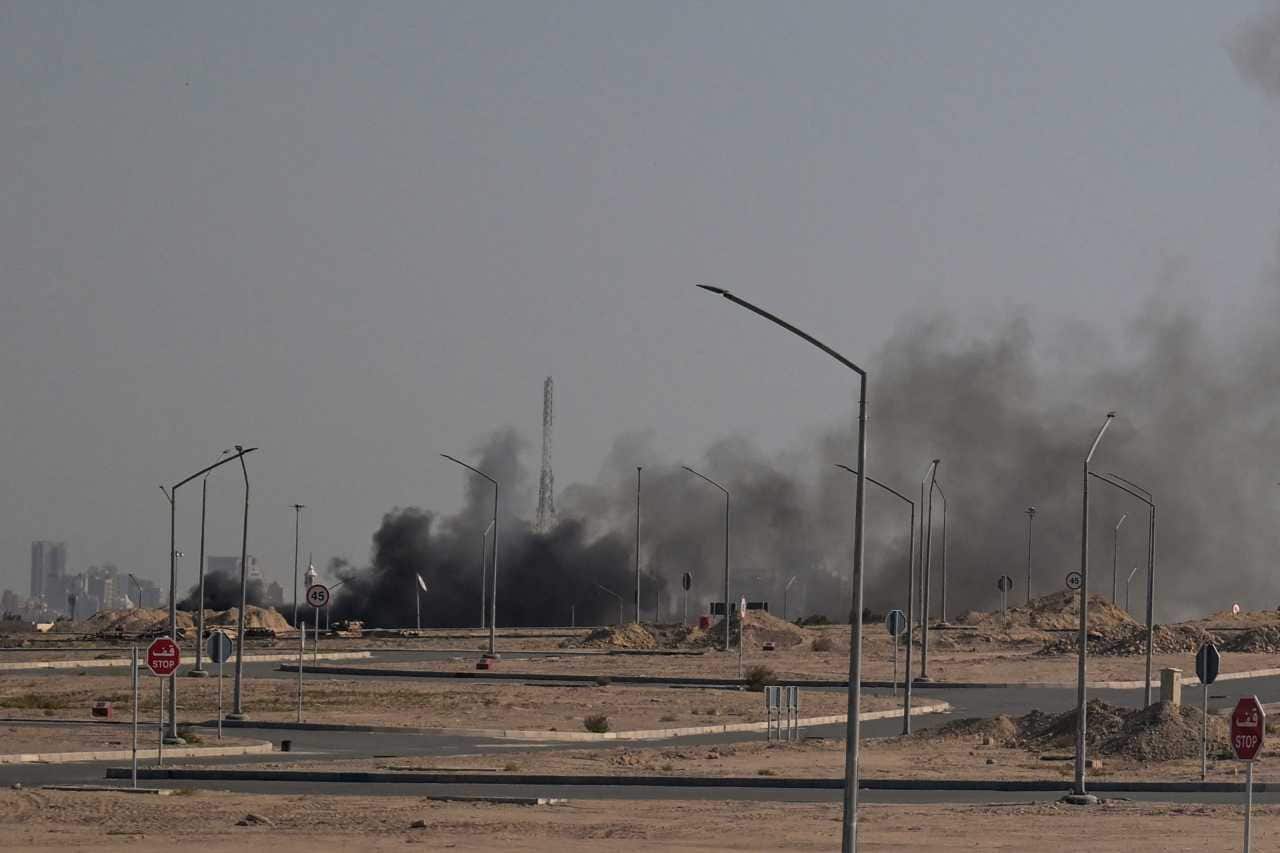
A devastating drone and missile strike targeting Kuwait International Airport has left an Indian national dead, sparking immediate diplomatic outrage from New Delhi and exposing the severe vulnerabilities of Gulf infrastructure. The Ministry of External Affairs (MEA) issued a fierce condemnation of the attack, demanding accountability and immediate steps to safeguard foreign workers. While regional geopolitical tensions triggered the strike, the fallout highlights a much deeper, structural crisis that the global community continuously ignores. Millions of South Asian migrant laborers remain trapped on the front lines of a volatile, shifting conflict zone with zero security guarantees.
This is no longer just a story about regional proxy warfare. It is an indictment of a labor system that treats human lives as collateral damage.
The Strike and the Immediate Fallout
The attack occurred during peak hours at Kuwait International Airport, a vital aviation hub in the Gulf. Intelligence reports indicate that a mix of low-flying loitering munitions and cruise missiles bypassed localized defense systems, striking an auxiliary logistics and maintenance terminal.
The casualty, identified as a logistics coordinator from Kerala, India, was performing routine duties when the blast occurred. Several other workers sustained severe injuries. Within hours, New Delhi dispatched senior diplomatic envoys to Kuwait City to coordinate the repatriation of the body and secure medical treatment for the wounded.
The MEA statement was unusually sharp, reflecting a growing impatience in New Delhi regarding the safety of its diaspora. India called the strike an "unacceptable act of terror" that deliberately targeted civilian infrastructure.
Beyond the Official Statements
Geopolitical analysts are focusing heavily on the origin of the drones, debating whether the launch point was southwestern Iran or southern Iraq. Western defense attaches in the region have noted that the flight paths deliberately exploited gaps in regional radar coverage. This focus on military tactics, however, obscures a much larger reality.
The real story lies in the structural reliance of Gulf economies on a massive, unprotected foreign workforce.
Kuwait, like many of its neighbors, runs on foreign labor. Indian nationals make up roughly one million of Kuwait's population, forming the backbone of its construction, aviation, healthcare, and service sectors. When a missile hits an airport, a refinery, or a desalination plant, the people in the line of fire are rarely the citizens of these nations. They are the contract workers who lack the mobility, the resources, or the legal rights to flee when tensions escalate.
The Mirage of Gulf Security
For decades, the Gulf cooperation states marketed themselves as safe havens of stability and immense wealth, shielded from the chaos of the wider Middle East. That illusion is completely gone. The proliferation of cheap, precise, long-range drone technology means that every piece of critical infrastructure in the region is now vulnerable.
Airports are highly visible, high-value targets. They cannot be hidden, and they cannot be fully protected by expensive missile defense systems like the American-made Patriot batteries, which are frequently overwhelmed by low-cost saturation tactics.
Consider how these facilities operate. A modern airport requires thousands of ground crew members to handle baggage, refuel aircraft, manage catering, and maintain runways. These workers live in dense compounds and travel to shifts on highly predictable schedules. They have no access to hardened bunkers or early warning sirens. When an alarm sounds, they are usually out on the tarmac, completely exposed.
The Diplomatic Tightrope for New Delhi
India faces an incredibly complex dilemma that severely limits its ability to protect its citizens abroad.
- Economic Dependence: Remittances from the Gulf form a crucial pillar of India's foreign exchange reserves, injecting billions of dollars annually into the domestic economy.
- Energy Security: India relies on Kuwait and its neighbors for a vast percentage of its crude oil imports. Any diplomatic rift could threaten energy security.
- Labor Export Pressures: Domestically, India faces massive pressure to find employment for its massive youth population, making the Gulf labor market an indispensable safety valve.
Consequently, New Delhi cannot simply evacuate its citizens or halt the flow of labor. The government is forced to engage in a delicate balancing act. It must issue strong public statements to satisfy domestic voters while quietly working behind closed doors to ensure that economic ties with Gulf monarchies remain entirely uninterrupted.
A Broken Safety Architecture
The legal framework governing foreign workers in the region, known broadly as the kafala system, exacerbates these dangers significantly. Under this framework, a worker’s legal status is tied directly to a local sponsor.
If a worker feels unsafe because of escalating military threats and decides to leave their job, they cannot simply buy a ticket and fly home. Doing so without the explicit permission of their employer can lead to immediate charges of "absconding," resulting in detention, asset forfeiture, and deportation.
This creates a terrifying dynamic during a security crisis. Workers are effectively trapped in potential impact zones, forced to choose between facing physical danger or incurring total financial ruin and criminal prosecution.
The Urgent Need for Structural Reform
Fixing this vulnerability requires looking far beyond military hardware. No amount of anti-missile technology can guarantee total protection against modern asymmetric threats. Instead, the focus must shift toward comprehensive labor defense and structural corporate responsibility.
International air transport bodies and global labor organizations must begin tying aviation security certifications directly to worker safety protocols. If a state cannot demonstrate that its ground crews have access to blast-resistant shelters, rapid evacuation plans, and comprehensive conflict insurance, that airport should face immediate downgrades in international safety ratings.
Furthermore, bilateral labor agreements must be rewritten completely. India and other labor-exporting nations must demand that emergency evacuation clauses be integrated into every single collective employment contract. Workers must possess the legal and unassailable right to refuse to work in high-risk zones when verified intelligence indicates an imminent threat.
The strike on Kuwait International Airport is a stark warning. As long as global supply chains and regional economies view migrant laborers as cheap, replaceable cogs rather than human beings requiring protection, the body bags arriving back in South Asia will continue to mount.