An overloaded ferry capsized on Zimbabwe's Lake Kariba, leaving at least 15 people dead and dozens missing, exposing a fatal intersection of systemic regulatory failure, rural dependency, and aging maritime infrastructure on the world's largest man-made reservoir. The vessel, carrying well over its official capacity of 90 passengers, went down during a routine five-hour transit that rural communities depend on for basic mobility. While emergency responders managed to pull 77 survivors from the water to a nearby island, the tragedy on Lake Kariba was far from an unpredictable act of nature. It was an institutional breakdown years in the making.
The Anatomy of an Overloaded Hull
Ticket manifests logged 114 adults and five crew members aboard the government-operated craft, a structure built decades ago to handle far more modest transport demands. Yet these tallies omitted an uncounted contingent of infants and young children traveling below ticketing age. When the vessel slipped away from the shore, it did so with a true human payload exceeding 160 souls. Also making waves in related news: The Shadow Over the Strait Where the World Breathes.
The math of maritime disaster is unforgiving. Every extra body displaces crucial freeboard, reducing the vessel's capacity to weather wind shear and sudden swells. On large inland bodies of water, weight distribution is everything. When the balance shifts, recovery margins vanish in seconds.
Eyewitness footage captured on mobile phones by onlookers before departure showed family members anxiously waving from the docks, openly questioning whether the aging vessel could handle the rough surface chop waiting out on the open water. Those fears were brushed aside by the economic necessity that forces ordinary citizens to board compromised transport simply to reach markets, schools, and medical care. Further details on this are covered by BBC News.
A Lifeline Turned Hazard
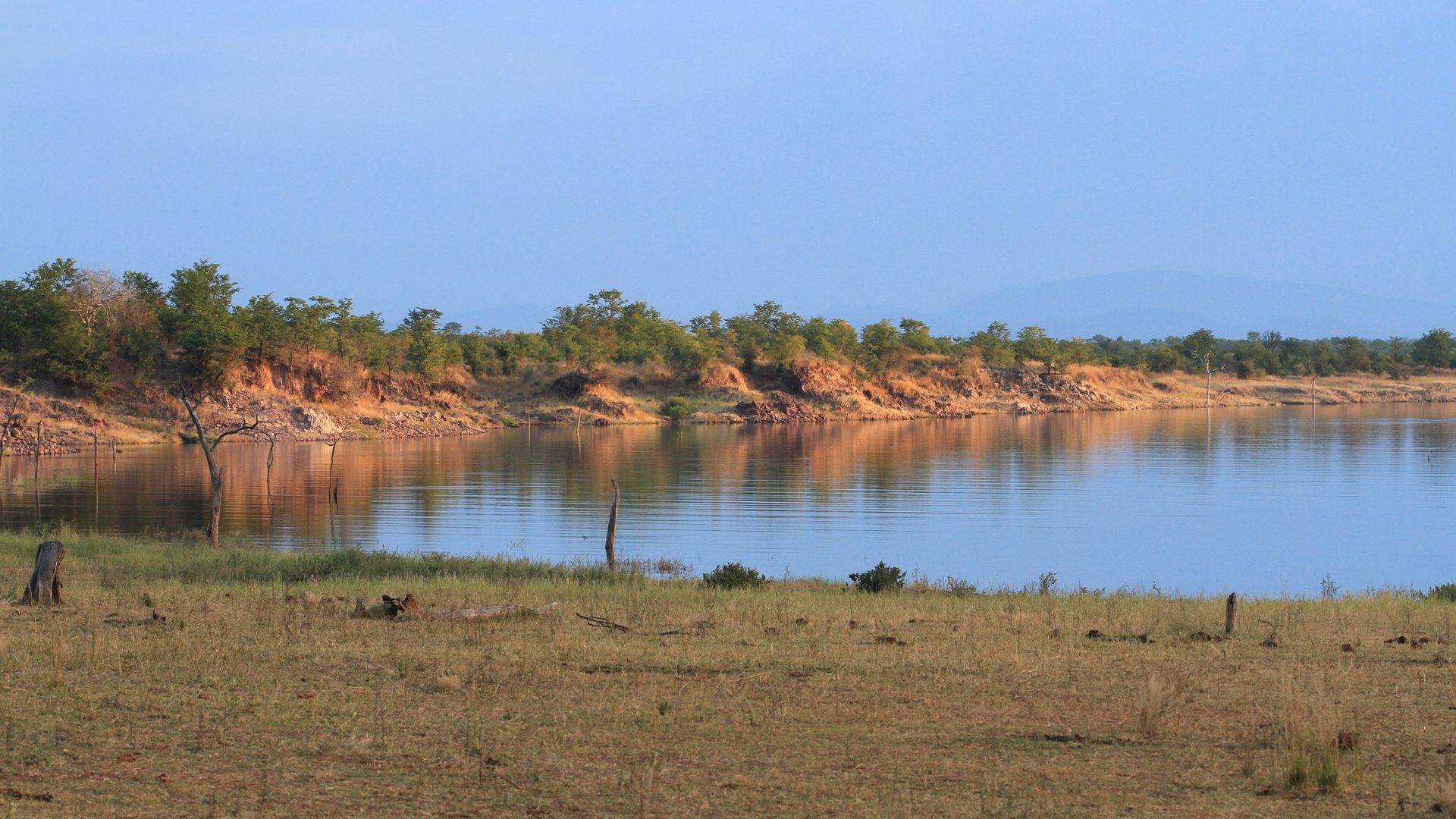
Lake Kariba spans more than 200 kilometers along the Zambezi River basin, functioning as an aquatic highway for remote communities cut off by rugged terrain and poorly maintained dirt roads. For villagers living along the shoreline, the ferry is not an option; it is the sole umbilical cord connecting them to Kariba town.
When alternative land routes require days of travel or prohibitive transport costs, rural residents have little choice but to accept whatever space is available on aging state and private vessels. Regulators have long traded enforcement for convenience, turning a blind eye to chronic overloading because cracking down would entirely sever isolated populations from the mainland. This systemic negligence creates a quiet, ongoing gamble with passenger safety where disaster is treated as a matter of when, not if.
Local reports indicate that as the boat neared its destination route, it encountered severe wind conditions and heavy lake swells. Water began pouring over the gunwales and flooding the cabin spaces. The ship's architecture, originally designed for calmer conditions and strict weight caps, could not cope with the shifting dynamics of a severely waterlogged, top-heavy hull.
The Rescue Operation and the Missing Count
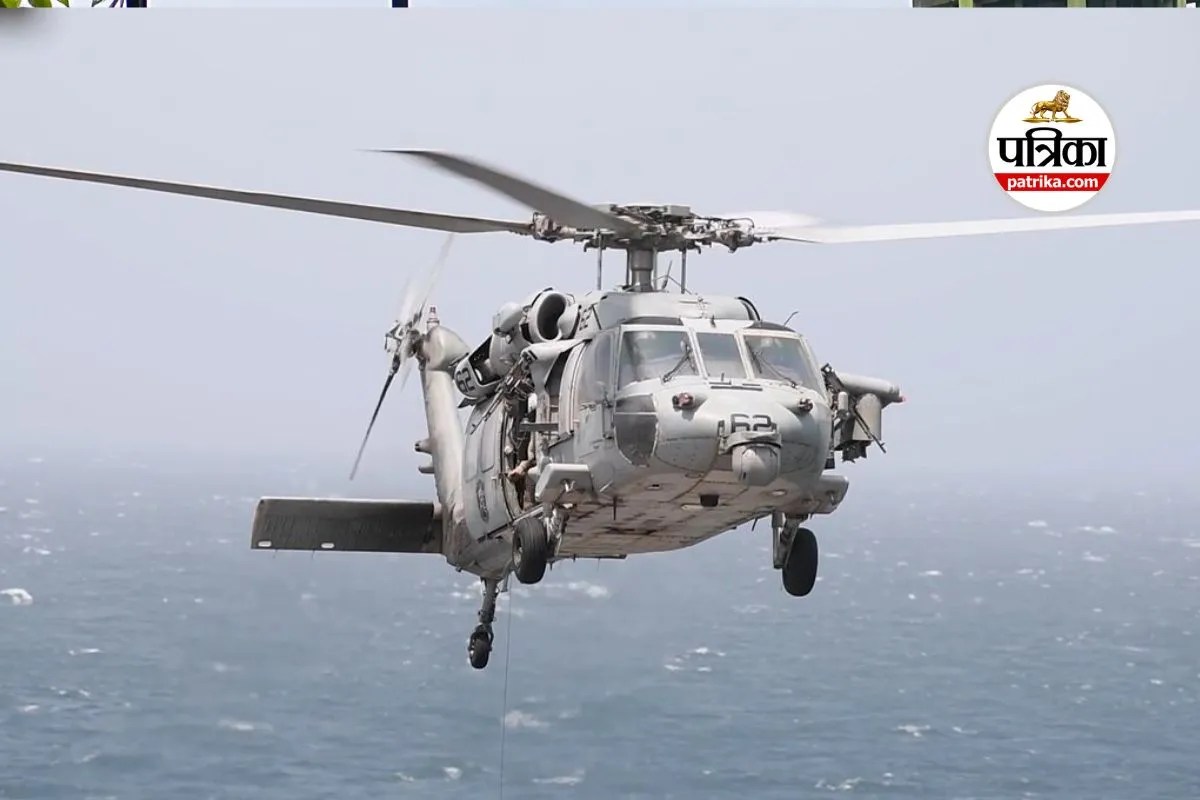
In the immediate aftermath, the response machinery swung into motion. Zimbabwean authorities deployed speedboats, a coordinating helicopter, and specialized underwater search-and-rescue teams to scour the vast expanse of the lake. Survivors huddled on an offshore island until extraction teams could ferry them back to the mainland.
Yet reconciling the final casualty list remains an administrative nightmare. Because minor children were absent from official manifest logs, family units split across the chaos of the sinking may never be fully accounted for. The search teams continue combing through debris fields and deep-water sectors, fighting against the immense surface area and shifting currents of a massive inland sea.
The Civil Protection Unit has pressed for the incident to be classified as a national disaster, but declarations of emergency do little to address the core rot within regional transit oversight. Safety directives issued after previous maritime incidents routinely dissolve into empty paper policies once local enforcement officers look the other way at the dock. Until structural investments replace decaying vessels and passenger limits are enforced at gunpoint if necessary, the waters of Lake Kariba will remain a liquid graveyard for those who have no other way home.
Watch live coverage of the rescue efforts on Lake Kariba
This broadcast footage captures the ongoing emergency response and highlights the logistical scale of the search operations across Zimbabwe's largest inland water body.
http://googleusercontent.com/youtube_content/1