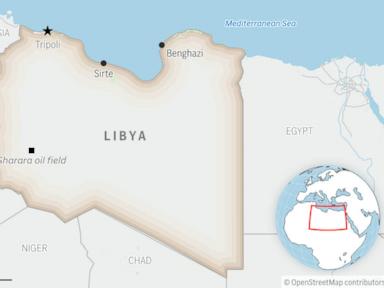
In the fractured state of Libya, the machinery of death has quietly resumed operations, grinding through the lives of detainees behind closed doors. Recent findings by international human rights monitors reveal that eastern Libyan authorities, under the control of the Libyan Armed Forces (LAAF), have carried out dozens of executions following secret military trials. These legal proceedings systematically bypass every standard of international jurisprudence, relying instead on confessions extracted through severe physical abuse and torture.
For years, Libya maintained a de facto moratorium on capital punishment. That quiet pause has been shattered, exposing a judicial vacuum where state and militia entities operate with near-total impunity.
The Anatomy of a Secret Trial
The mechanics of these trials are designed to ensure a predetermined outcome. Detainees arrested by powerful armed groups—such as the Tariq Ben Zeyad brigade or internal security apparatuses—disappear into an opaque network of detention facilities like Gernada. Families are routinely denied access, and independent legal representation is entirely nonexistent.
When cases reach military courts, they do so behind closed doors. Defence lawyers are shut out, or if present, act as mere props with no ability to challenge evidence or cross-examine witnesses. The core pillar of these prosecutions is the confession statement. In many instances documented by monitors, detainees are subjected to prolonged beatings, electric shocks, and stress positions until they sign or fingerprint documents they are forbidden to read.
This process reduces the courtroom to a rubber stamp. The verdict is written long before the accused ever stands before a judge.
Breaking the Moratorium
The resumption of executions in eastern Libya marks a dangerous escalation in the country's post-2011 trajectory. For approximately a decade and a half, capital sentences handed down by various factions largely remained unexecuted, serving as political leverage rather than terminal penalties.
By pushing through with lethal force against dozens of individuals, authorities have crossed a threshold that signals a deeper consolidation of authoritarian control. It is a calculated signal to internal opposition. In regions dominated by military commands, dissent is met not merely with arbitrary detention, but with permanent erasure under the guise of national security laws.
The International Complicity of Silence
The resurgence of state-sanctioned executions does not happen in a geopolitical vacuum. Foreign capitals that maintain transactional relationships with Libyan factions often prioritize migration control and energy security over human rights enforcement. When international condemnation is limited to mild diplomatic statements, local commanders interpret the response as tacit approval.
Accountability mechanisms within Libya are practically nonexistent. The domestic judiciary is deeply fragmented, split between rival administrations in the east and west, leaving citizens entirely unprotected against institutionalized violence. While the International Criminal Court has pursued select high-profile cases involving historical abuses at specific facilities, the day-to-day reality of secret tribunals and coerced testimonies remains largely untouched by international law.
As dozens more prisoners remain on death row facing imminent execution, the gap between diplomatic rhetoric and the grim reality inside Libyan interrogation rooms widens. Until external actors condition their support on basic adherence to due process and an end to torture, the black box of Libya's military courts will continue to operate unchecked, turning coerced words into final sentences.
Haftar's forces execute 30 after secret military trials in eastern Libya
This video provides additional context and reporting on the recent wave of secret military trials and executions carried out by forces in eastern Libya.


