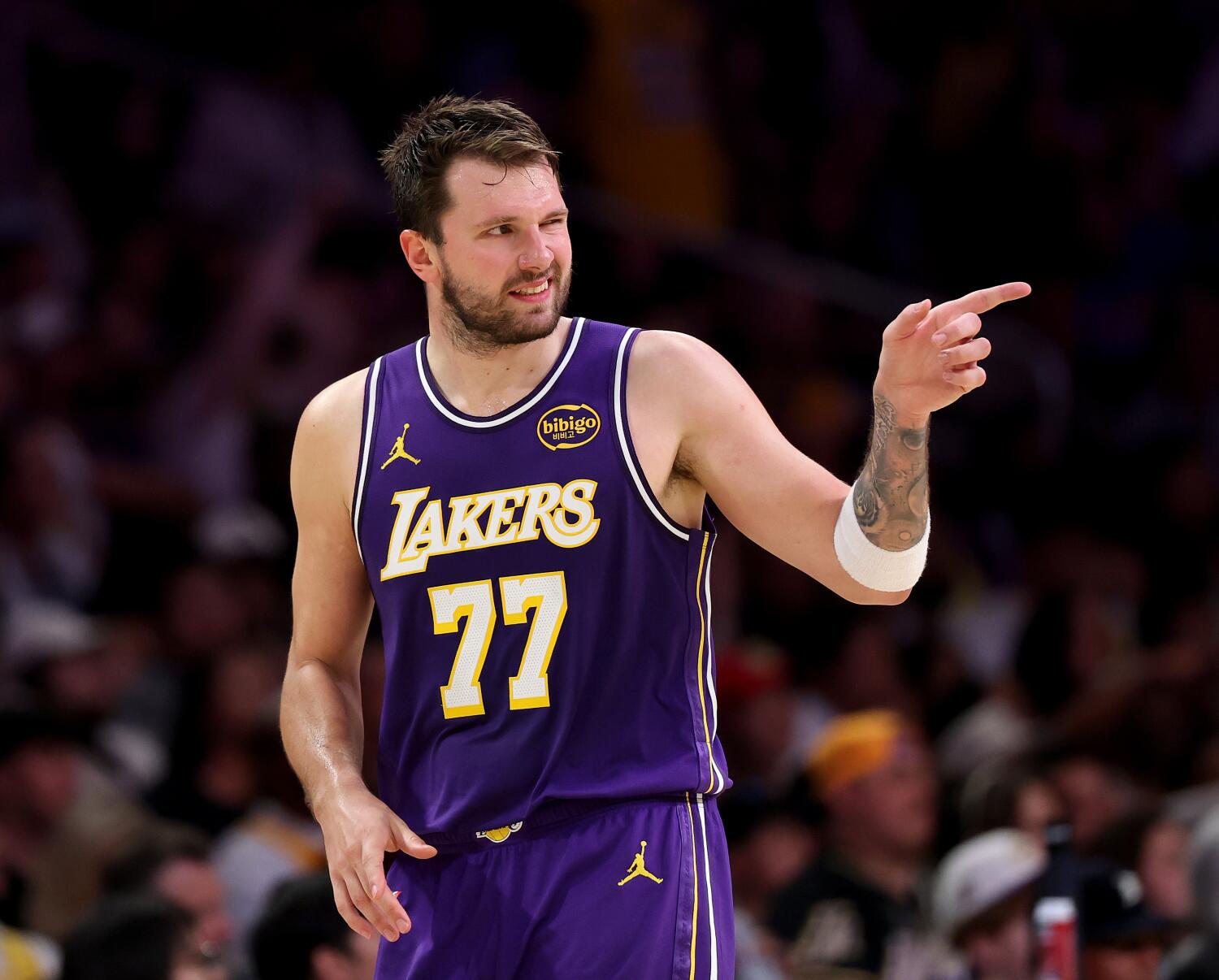
The Los Angeles Lakers enter preseason under an unforgiving spotlight, burdened by high expectations and stubborn roster limitations. Every autumn in El Segundo begins with optimism, but this year carries a different weight. The front office made its bets, the coaching staff inherited a complex puzzle, and the clock ticks loudly on a championship window that is rapidly narrowing. Surface-level analysis points to health and three-point shooting as the primary variables. That assessment misses the deeper structural fractures threatening to derail the campaign before winter even arrives.
The Coaching Blueprint Under Fire
Tactical execution separates contenders from pretenders. The modern NBA demands relentless ball movement, spatial geometry, and defensive versatility. Last season exposed a stark rigidity in how the team attacked switching defenses and defended the perimeter. Now, the coaching staff faces the mandate of modernizing an offense that too often stagnated into isolation possessions.
Implementing a sophisticated offensive system requires time. Preseason provides mere weeks to install new terminology, defensive rotations, and counter-measures against aggressive trapping schemes. Players accustomed to stagnant half-court sets must retrain their instincts. Quick decision-making trumps holding the ball. If the ball sticks, the offense collapses under its own weight.
Opponents already know the scouting report. Deny the primary driving lanes, load up on penetration, and dare the supporting cast to hit open perimeter shots with consistency. Breaking this blueprint demands off-ball screening actions that actually create separation, not just theater. Watch the corner spacing during early exhibition games. Notice whether wings flare off screens with purpose or simply drift into congested zones. The answer will dictate whether the offensive scheme has evolved or merely received a fresh coat of paint.
Managing the Wear and Tear of Franchise Anchors
Age remains undefeated. LeBron James enters another professional year with unprecedented mileage on his frame, while Anthony Davis carries the perennial burden of anchoring both ends of the floor. Expecting these two pillars to carry an eighty-two-game regular season load without compromising their postseason explosiveness is a dangerous gamble.
Workload management is no longer a luxury. It is an absolute survival requirement. Yet, the Western Conference leaves zero margin for error. A slow October and November forces teams into desperate catch-up modes by March, burning vital energy reserves just to secure a playoff berth.
The preseason serves as the laboratory for rotation experimentation. Minutes must be distributed with surgical precision. Younger legs need to absorb the physical pounding during the opening months to keep the primary stars fresh. If the rotation fails to generate enough cushion during stretches of rest, the coaching staff faces an impossible dilemma. Push the veterans into heavy minutes and risk late-season fatigue, or protect them and watch leads evaporate in minutes.
The Invisible Ceiling of Front Office Flexibility
Fans often demand trades when flaws appear on the court. Reality is far more restrictive. The salary cap landscape and restrictive collective bargaining rules cage general managers into narrow corners. Draft capital is scarce, and matching contracts requires creative accounting that rarely materializes without surrendering future value.
This roster is largely set. Improvements must come from internal growth and tactical optimization rather than external cavalry arrivals. Front office decisions made over previous summers locked the franchise into specific financial commitments. Every contract slot matters. Every minimum-salary signing must punch above its weight class to compensate for lack of mid-tier depth.
When evaluating the team during exhibition matches, observe the end-of-bench production. In a hypothetical scenario where an injury hits a starting guard, who steps into the rotation without bleeding points? If the drop-off in talent is catastrophic, the front office faces an uphill battle to sustain momentum through the grueling winter months.
Establishing a Defensive Identity Without Rim Protection Depth
Defense wins championships. It also requires personnel. Elite rim protection masks perimeter breakdowns, allowing perimeter defenders to aggressively pressure ball-handlers. Without an elite shot-blocker anchoring the paint in reserve, defensive schemes must rely on flawless rotation timing and disciplined closeouts.
Last year exposed alarming vulnerabilities in transition defense and point-of-attack containment. Guards routinely sliced into the paint, forcing secondary help rotations that left corner shooters wide open. Fixing this systemic issue cannot be solved by hustle alone. It demands collective discipline.
Watch how communication sounds on the court during defensive possessions. Point out who is calling out screens, switching assignments, and pointing to open shooters. Silent defenses fail. Preseason tape will reveal whether the team has committed to talking through misdirections or if old habits of ball-watching persist under fatigue.
The Bench Scoring Vacuum
Star power wins games, but bench production survives the long haul. The second unit must maintain leads or claw back deficits without relying on primary playmakers to bail them out every possession. Scoring droughts from the bench turn manageable deficits into insurmountable chasms in a matter of minutes.
Finding reliable secondary scoring remains an ongoing challenge. Players asked to fill reserve roles must accept defined responsibilities. Efficiency matters more than volume. A bench scorer who shoots thirty percent while hunting their own shot destroys team rhythm faster than a turnover-prone rookie.
Coaches must identify which combinations click organically. Chemistry is not forged on paper; it emerges through trial and error under game conditions. The upcoming exhibition games will test various bench lineups against opposing second units. Pay close attention to assist-to-turnover ratios among reserve guards. Ball security dictates whether the second unit stabilizes the game or surrenders momentum.
The pressure cooker is hot. The margin for error is razor-thin. Preseason answers arrive fast, and regular-season consequences follow immediately behind


