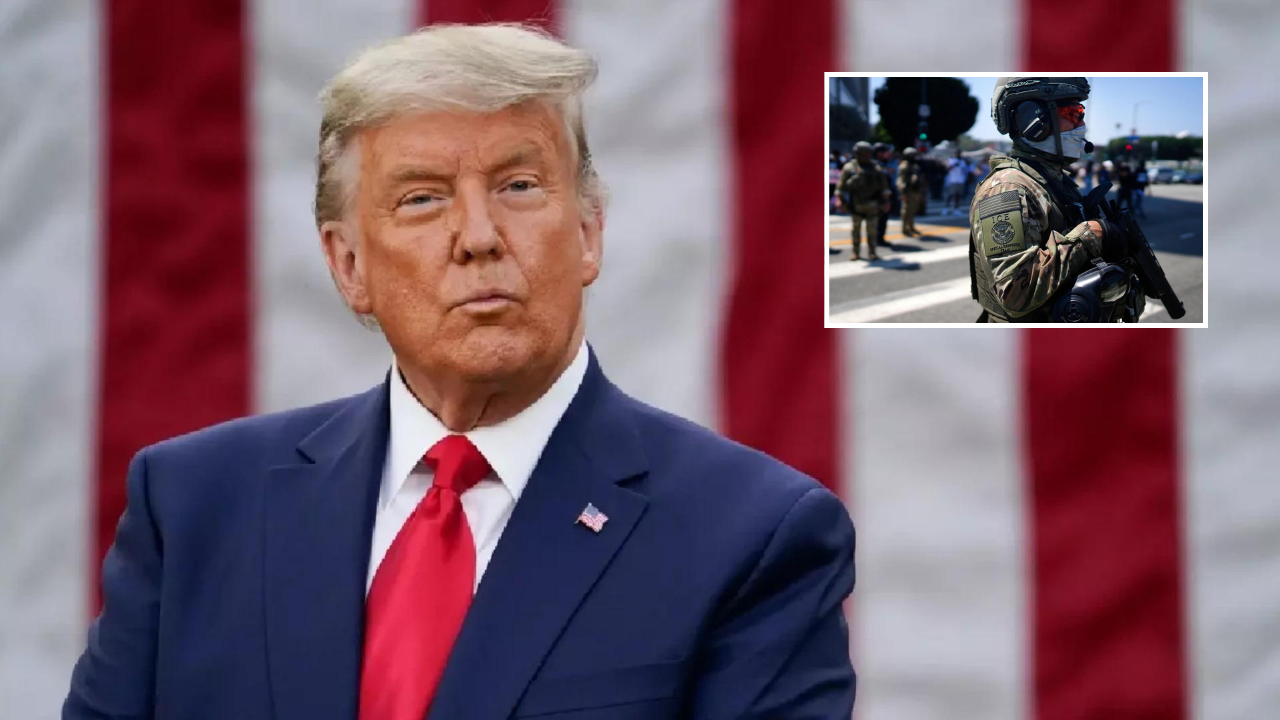
The quiet bargain at the heart of American military recruitment is fracturing under the weight of an unyielding federal enforcement agenda. More than 50 parents and spouses of active-duty U.S. service members have been detained under a hardline immigration crackdown, shredding a decades-old bipartisan consensus that shielded military households from the threat of sudden deportation. While recruiters continue to pitch expedited pathways to citizenship and legal status as a perk for enlistment, Immigration and Customs Enforcement agents are picking up those exact same relatives during routine adjustment-of-status appointments.
This collision between mass enforcement and national defense exposes a structural contradiction within federal policy. Troops deployed on critical missions are finding themselves scrambling to secure legal representation for detained wives, husbands, and aging parents.
The Mechanics of a Broken Policy Shift
For generations, the Department of Homeland Security maintained an unwritten and practical understanding. Active-duty personnel required absolute focus, meaning their immediate support networks at home needed stability. Programs like parole-in-place were deliberately engineered to allow non-citizen family members of service members to adjust their status without leaving the country, mitigating the profound stress of potential separation.
That institutional empathy vanished with a directive stating that military service no longer exempts an individual's family from enforcement priorities.
The operational reality on the ground is stark. When a soldier reports to a local U.S. Citizenship and Immigration Services field office to file routine paperwork, they walk into a jurisdictional trap. Instead of processing paperwork, enforcement officers execute detentions.
At least six family members have already been forced out of the country through expedited removals, while dozens more languish in civil detention facilities for months.
The Toll on Force Readiness
Military planners talk endlessly about readiness, unit cohesion, and mental stamina. Yet, an active-duty sergeant cannot maintain operational focus when juggling international deployment orders while simultaneously trying to wire commissary money to a spouse held in a rural immigration processing center.
Consider the case of Army personnel caught in this crossfire. Service members are reporting delayed deployments because they suddenly find themselves as single parents overnight, forced to scramble for emergency family care plans. Others are burning through accrued leave just to drive hundreds of miles to visit detained relatives in remote county jails or private facilities.
Institutional trust takes years to build and seconds to obliterate. When a young recruit swears an oath, they do so with the implicit contract that the nation looks after their household while they stand post.
By treating immediate relatives of active-duty troops as standard enforcement targets, the administration has introduced a profound psychological vulnerability into the ranks. Troops burdened by the imminent threat of family banishment cannot operate at peak performance.
The Bureaucratic Black Hole
The Department of Homeland Security maintains that it does not officially track or compile data regarding the active-duty status of relatives caught in its sweeps. This administrative blind spot functions as a shield for bureaucratic indifference. Without an official tracking mechanism, every detention becomes an isolated incident rather than a systemic failure.
When attorneys step in, they are forced to fight an uphill battle against mandatory detention statutes and complex administrative hurdles. Even when high-profile political interventions secure emergency releases for a select few, the chilling effect remains permanent.
Thousands of mixed-status military families now view scheduled immigration check-ins not as a path toward legal security, but as an existential threat to their family unit.
The defense apparatus relies heavily on immigrant service members who step forward to wear the uniform, often motivated by the promise of securing a stable future for their loved ones. If that promise morphs into a trap where wearing the uniform exposes family members to expedited detention, the recruitment pipeline faces a severe reckoning.
National security and rigid interior enforcement are now colliding at full speed, and the shockwaves are tearing military households apart from the inside out.