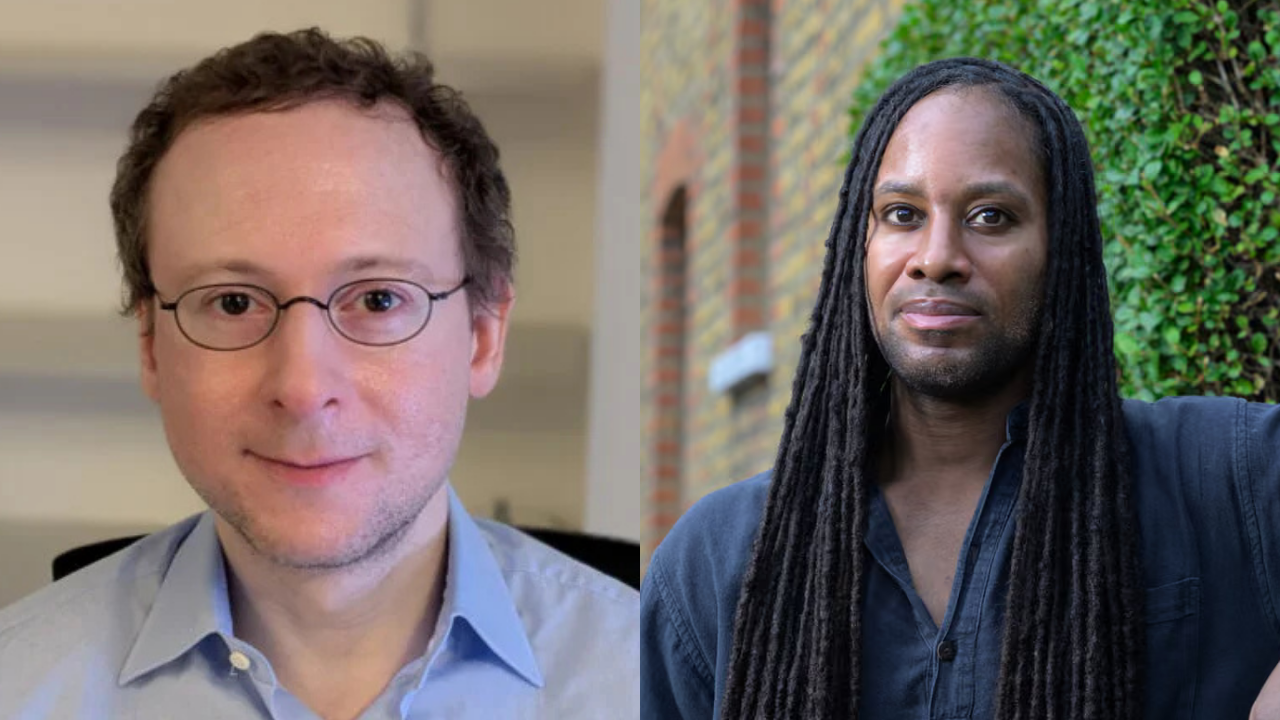
The modern university system operates on a fragile ecosystem of prestige, public goodwill, and mutual institutional protection. When that ecosystem fractures, it does so with explosive violence. Nathan Cofnas, a postdoctoral researcher at Ghent University, found himself at the epicentre of an international academic firestorm after publishing evidence that Jason Arday—a high-profile professor at the University of Cambridge—had committed extensive plagiarism in his doctoral thesis. The subsequent implosion, marked by Arday's resignation, his tragic death, and Ghent University's sudden announcement that it would take "appropriate action" against Cofnas, exposes a deep rot within elite higher education. This crisis is not merely about an individual citation failure or the political animus of a controversial researcher. It is a symptom of an institutional apparatus that prioritizes public relations over intellectual honesty, leaving both internal dissenters and vulnerable scholars exposed to the machinery they built.
To understand how a philosophical blog post published on a personal Substack newsletter could trigger institutional panic across two countries, one must examine the mechanics of how elite universities vet their stars. Jason Arday's ascent to a professorship at Cambridge in 2023 was heralded as a triumph of representation. Promoted widely for his inspiring personal narrative—overcoming severe developmental delays and learning to read and write late in life—Arday became an institutional symbol. Yet, beneath the glossy profiles and media fanfare, basic quality control mechanisms appear to have broken down. When Nathan Cofnas pulled Arday's 2015 doctoral thesis from Liverpool John Moores University, he did not uncover subtle theoretical disagreements. He found dozens of passages identical or near-identical to an earlier 2009 dissertation by scholar Paula Zwozdiak-Myers.
The immediate institutional response was avoidance. Mainstream outlets had previously investigated the claims, only to sit on the findings or drop investigations after legal pushback from high-powered London law firms representing Arday. Elite universities operate under a severe disincentive to police their own promotional hires. Admitting that a high-profile appointment lacks the basic competency of original research threatens the legitimacy of the entire administrative hierarchy that signed off on the hire. By forcing the issue into the open through independent publication, Cofnas bypassed the internal channels designed to bury uncomfortable truths.
Yet, the fallout has turned swiftly against the whistleblower. Ghent University, where Cofnas holds a postdoctoral position in the philosophy of biology, issued a sharp public statement declaring that it was taking Cofnas's public statements "very seriously" and would pursue "appropriate action". Rector Petra De Sutter and Vice-Rector Herwig Reynaert emphasized that academic freedom is not unlimited and must walk hand-in-hand with institutional responsibility. This move highlights a pervasive double standard in contemporary academia. Scholars who push boundaries or violate orthodox political lines find their employment scrutinized under codes of conduct, while institutions that fail to perform basic due diligence on their own credentials face minimal internal structural reckoning.
The political polarization surrounding the case has obscured the underlying governance failure. On one side, critics frame the targeting of Arday as a racially motivated campaign designed to undermine diversity, equity, and inclusion initiatives. On the other, commentators argue that shielding a scholar from basic academic standards out of political expediency is an act of intellectual corruption that devalues degrees earned honestly by minority students and majorities alike. The tragedy of Arday's death in mid-August 2026 transformed an already bitter culture war dispute into an unmitigated human catastrophe, prompting British political leaders to call for broad institutional reflection.
What remains unaddressed in the aftermath is the structural cowardice of university administration. Higher education institutions want the cultural cachet of revolutionary appointments without the rigorous administrative oversight required to maintain scholarly integrity. When fraud or severe negligence is exposed, the instinct of the administration is to protect the brand rather than the truth. Whether targeting a whistleblower like Cofnas will shield Ghent University from political fallout remains doubtful. The deeper damage has already been done, exposing a system where reputation management supersedes scholarship, and where telling the truth about academic credentials is treated as a punishable offense.


