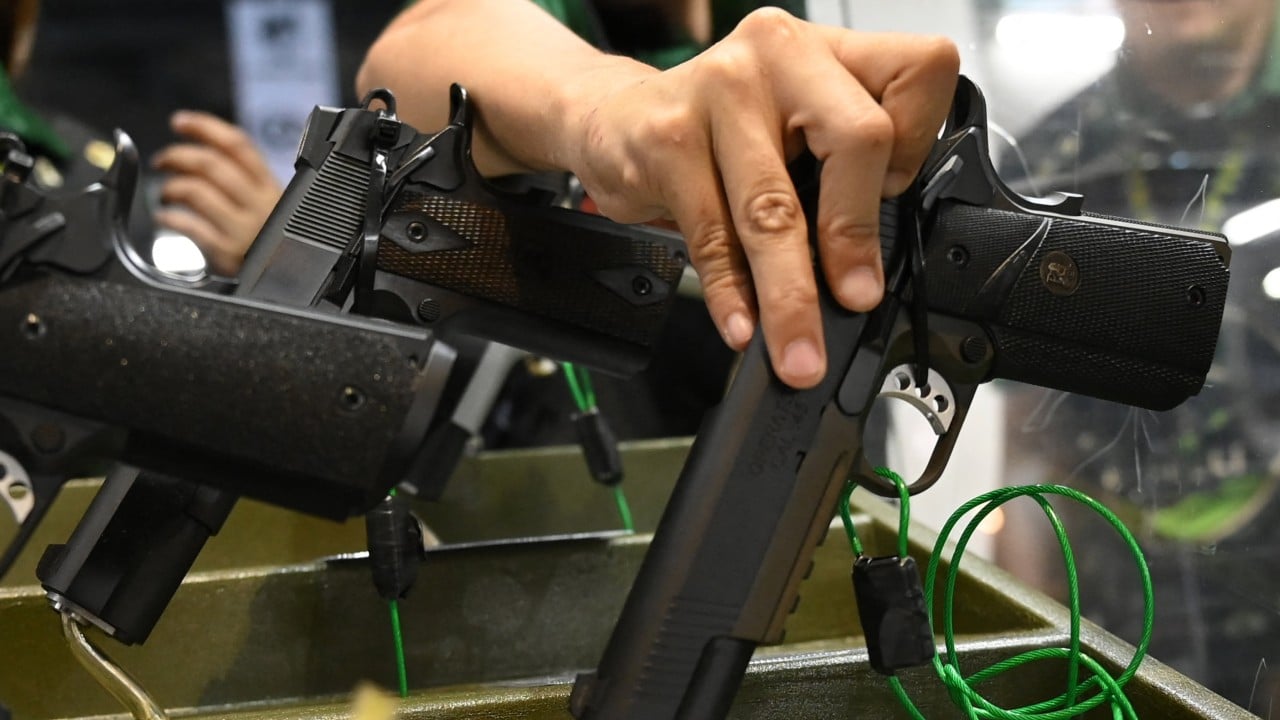
Access to unsecured family firearms in the Philippines has transformed domestic residential spaces into accidental armories, directly fueling a rising wave of school-related gun violence. While international media frequently focuses on American gun culture, Southeast Asian nations face unique domestic security challenges stemming from lax household storage regulations, widespread gun ownership cultures, and fragmented law enforcement oversight. When legal firearm owners fail to secure their weapons, adolescents gain immediate access to lethal force, turning family negligence into institutional catastrophe.
The Regulatory Gap in Household Armories
Philippine law mandates strict background checks and registration procedures for legal gun ownership. Yet, once a firearm enters a private residence, enforcement effectively vanishes. The state inspects the purchaser, not the premises. Consequently, handguns and rifles often rest in unlocked nightstands, hallway closets, or vehicles parked outside family homes.
Adolescent psychology during periods of acute stress lacks impulse control. When a teenager experiences severe academic pressure, social isolation, or severe bullying inside a classroom, an unsecured weapon provides immediate, catastrophic agency. The physical distance between a teenager having a mental health crisis and a loaded family firearm is often measured in footsteps rather than security barriers.
Cultural Perceptions of Protection
In many suburban and rural communities across the archipelago, keeping a firearm at home is viewed as a baseline necessity for family security. This normalization breeds complacency. Owners routinely prioritize quick retrieval over preventative safety.
- Concealed storage neglect: Pistols are hidden in plain sight under mattresses or inside office desks.
- Absence of biometric locks: Modern trigger locks and digital safes remain rare outside elite urban households.
- Normalization of exposure: Children grow up handling or witnessing firearms cleaned in living rooms, eroding the psychological barrier against their use.
This cultural familiarity strips the weapon of its lethal weight in the minds of young residents. When a dispute arises at a local academy or high school, the weapon is treated as a utilitarian tool to resolve an interpersonal grievance.
Institutional Blind Spots in Educational Facilities
Philippine schools operate under heavy resource constraints. Metal detectors, perimeter security fencing, and professional campus police forces are luxuries reserved for exclusive private institutions in major urban centers. Public secondary schools rely on open campuses, minimal administrative staff, and perimeter guards who lack formal tactical training.
When an armed student breaches a campus gate, staff have virtually no defensive infrastructure to rely on. Response times from local municipal police departments can stretch past twenty minutes in congested urban areas or isolated provincial municipalities. This tactical vacuum places the burden of survival entirely on untrained educators and students.
The Psychological Aftermath
Communities affected by these incidents experience prolonged institutional shock. Ministries of education issue temporary memoranda regarding mental health awareness, but systemic funding for school counselors remains critically low. A single guidance counselor often serves thousands of students, making early identification of at-risk adolescents nearly impossible.
Fixing this crisis requires moving past superficial administrative crackdowns and confronting the root cause. As long as residential firearms remain accessible to minors within family homes, schools will remain vulnerable to violence born of domestic negligence.


