Russia's parliamentary election does not alter the trajectory of the war in Ukraine; it rubber-stamps it. When the Central Election Commission tallied the final results following the September voting cycle, the outcome revealed a system entirely synchronized with the Kremlin's military objectives. United Russia swept the legislature with a commanding supermajority, cementing absolute control over the lower house. This electoral exercise was never designed to test public sentiment. It served as a mechanism of domestic containment and foreign messaging.
The mechanics of this political ritual reveal a regime insulated from genuine opposition. Months prior to the opening of polling stations, the judicial apparatus systematically dismantled any viable alternative political platforms. The final exclusion of the Yabloko party, the sole legally registered political entity with an explicit anti-war platform, ensured that voters seeking an end to the conflict found themselves completely locked out of the ballot. What remained was an orchestrated choice among parties that uniformly endorse the continuation of military operations.
Elections under these conditions operate as a theater of legitimacy. Autocrats avoid outright abolition of democratic rituals because they require the appearance of popular endorsement to sustain internal stability. By forcing a high voter turnout figure through administrative pressure and state-sponsored mobilization drives, the Kremlin sought to project an image of unshakeable national unity.
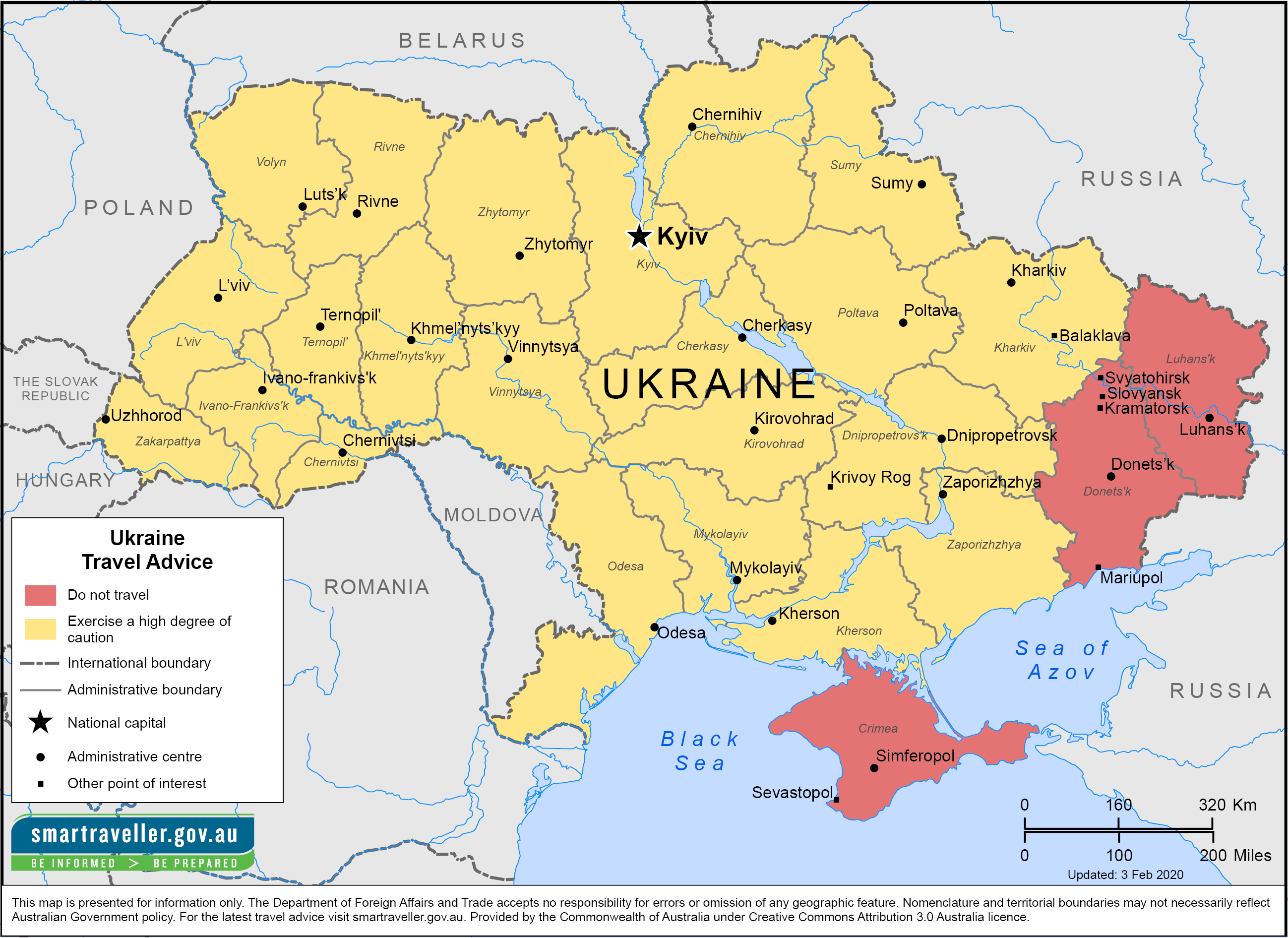
The geographic scope of the voting further underscored this intent. Balloting was extended into the occupied regions of Ukraine, incorporating territories like Donetsk, Luhansk, Zaporizhzhia, and Kherson into the federal electoral districts. This integration was deliberate. It legally and symbolically bound the newly elected legislature to the annexation project, ensuring that every single deputy seated in Moscow shares formal complicity in the territorial claims driving the war.
The Rise of the Uniformed Elite
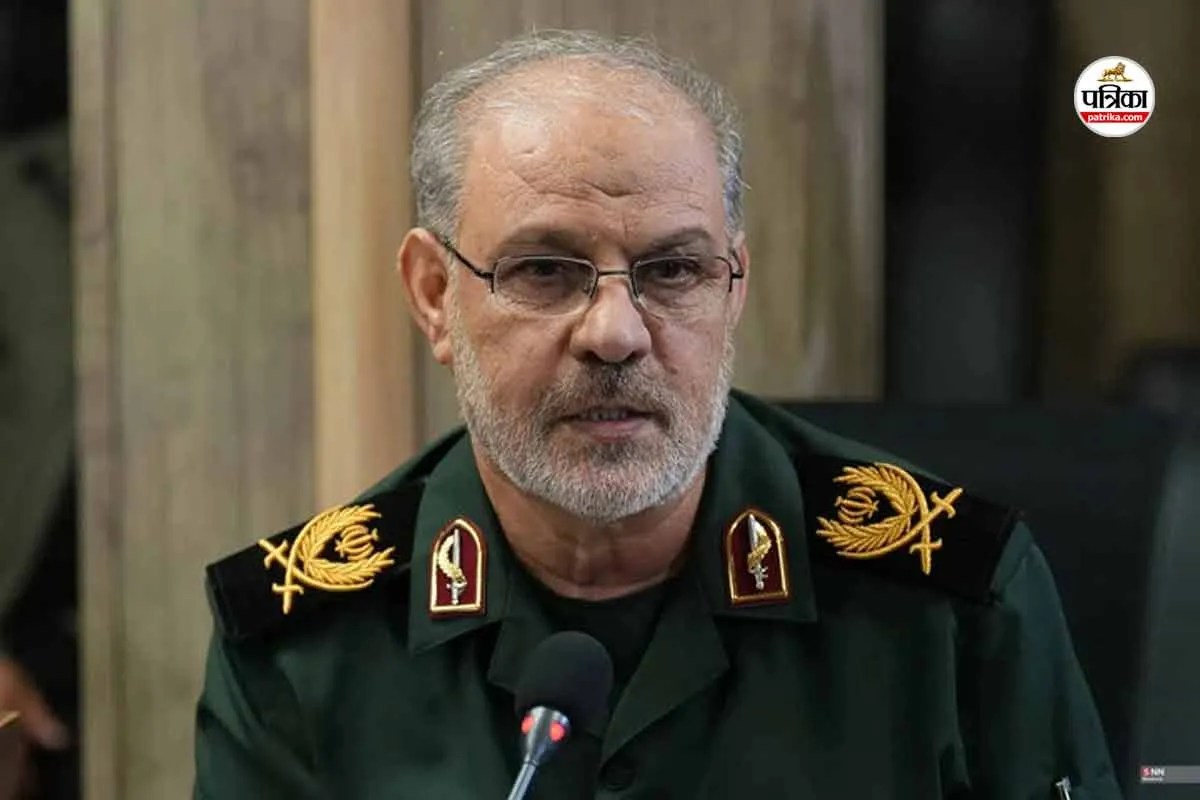
One of the most revealing shifts in the composition of the new parliament is the influx of combat veterans. Nearly fifty individuals who served in active military roles during the campaign in Ukraine transitioned directly from the frontlines to legislative seats. President Vladimir Putin publicly celebrated these figures as the vanguard of a fresh political class.
This transition tells a larger story about the internal restructuring of Russian power. For decades, the dominant political caste consisted primarily of bureaucrats, security service alumni, and financial technocrats. By elevating soldiers and commanders into legislative positions, the Kremlin is actively attempting to merge military service with political loyalty.
Yet, this militarization of the political elite carries inherent tensions. Veterans returning from combat environments often possess distinct expectations regarding state support, resource allocation, and national direction. Integrating them into a tightly managed parliamentary structure is a calculated gamble. The state aims to co-opt their battlefield credibility while neutralizing any independent political clout they might attempt to wield.
These figures are unlikely to function as independent reformers or critics of military strategy. Their inclusion is symbolic and functional. They provide a living testament to the regime's central narrative that patriotism is defined solely by unconditional support for the state's geopolitical ambitions.
Manufacturing Consensus for a Long War
The landslide victory provides the executive branch with a powerful rhetorical weapon. Armed with a compliant parliament, the leadership can credibly argue to both domestic audiences and foreign adversaries that there is zero internal political pressure to alter course.
Compromise becomes harder to justify when dissent is legally eradicated and elections yield near-total compliance. The new legislative configuration removes any institutional friction that might otherwise slow down war-related budgetary approvals or emergency decrees. Funding for defense manufacturing, social payouts to military families, and surveillance apparatuses will face zero legislative resistance.
This absolute alignment between the executive and the legislature directly affects calculations regarding military endurance. Western capitals often harbor expectations that domestic fatigue will eventually force a strategic reassessment inside Moscow. The electoral outcome poured cold water on that assumption. By engineering a result that simulates overwhelming public enthusiasm, the Kremlin signaled that it possesses the political runway necessary to sustain a protracted war of attrition.
The financial cost of this strategy remains staggering. Economic restructuring toward military production has created a peculiar domestic distortion. While defense-sector workers and contract soldiers experience temporary financial upswings, the broader economy absorbs inflationary shocks and labor shortages. The parliamentary majority ensures that these structural imbalances will be managed through continued state intervention and austerity measures rather than policy redirection.
Cracks Beneath the Staged Facade
Despite the engineered perfection of the election results, the societal reality outside the voting booths is far more complex. The conflict is no longer a distant television broadcast for the average Russian citizen. Long-range drone strikes have repeatedly penetrated Russian airspace, striking industrial infrastructure and oil refineries near major urban centers.
These security breaches create an acute psychological friction. The state promises absolute protection and normalcy, yet citizens watch smoke rise from domestic energy facilities. The parliamentary election was deployed precisely to drown out these anxieties beneath an avalanche of state-managed patriotism.
Speculation regarding potential future mobilization rounds persists behind closed doors. While officials flatly deny plans for another massive troop call-up, the structural demands of maintaining frontline pressure in Ukraine mean the manpower question never truly disappears. A compliant legislature ensures that if a new mobilization decree is signed, it will face no institutional roadblocks.
The suppression of open dissent does not equate to the absence of fear or exhaustion. Families bearing the losses of prolonged combat do not voice their grievances on state television, but their quiet resentment accumulates in the background. The regime's bet is that fear, state patronage, and systemic control can suppress this discontent indefinitely.
History suggests that tightly managed systems appear invincible right up until the moment structural strains overwhelm them. The 2026 parliamentary election provided the Kremlin with the temporary illusion of total control. It did nothing to solve the underlying economic vulnerabilities, demographic drains, and strategic deadlocks defining the war. The legislature is unified, the opposition is silenced, and the conflict grinds forward into an uncertain future.