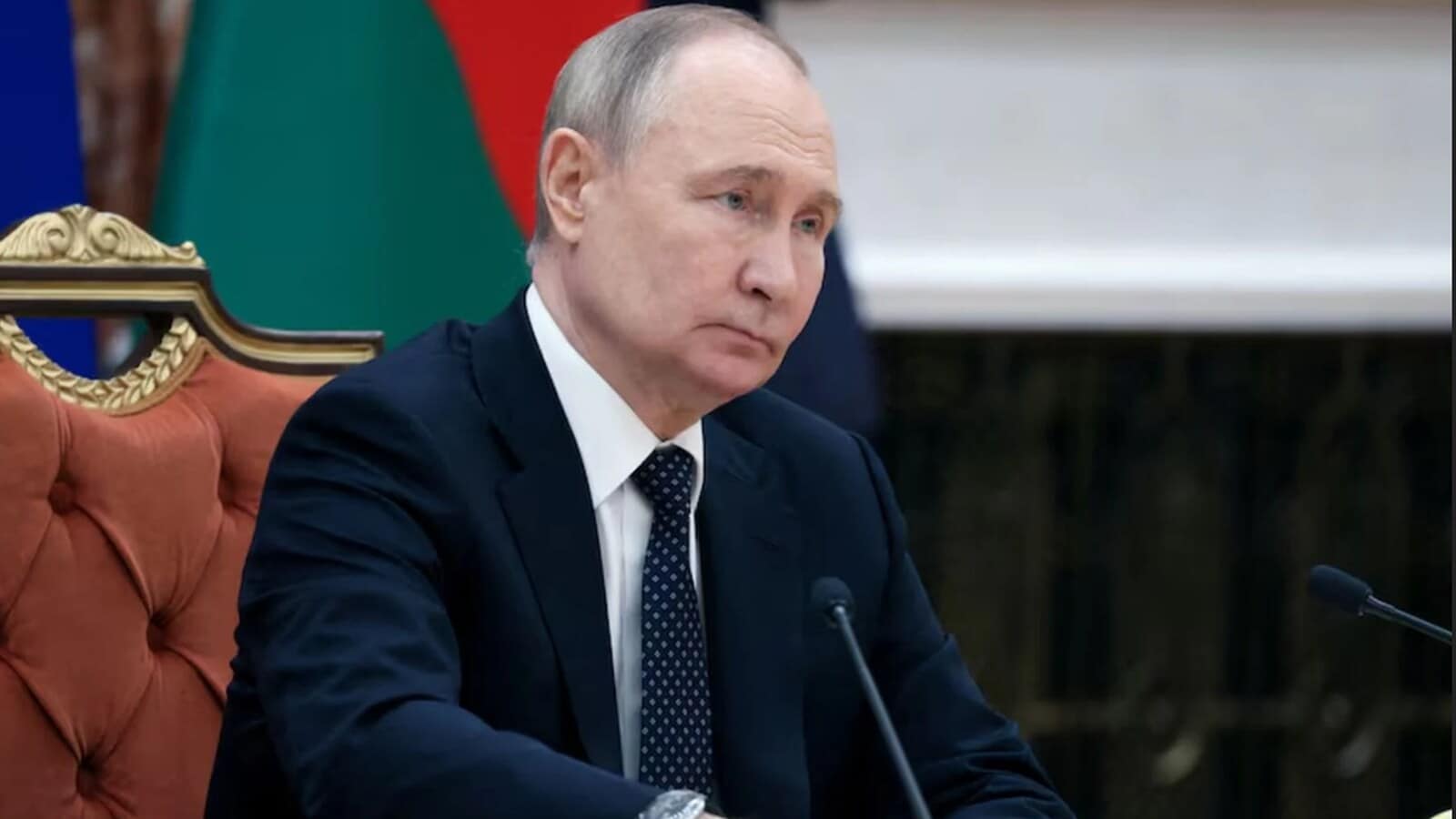
Nobody inside Moscow looked twice when the early tallies flashed across television screens. President Vladimir Putin's United Russia party secured a record 355 seats in the State Duma, extending its dominance of the lower house. Critics called it a tightly managed political exercise, but the Kremlin framed the outcome as an unmistakable mandate of national unity during an active wartime economy.
If you look past the official press releases, the numbers tell a story about political survival, public fatigue, and the near-total closure of open dissent in contemporary Russia.
How the Vote Was Won and Controlled
Elections in a nation under wartime conditions rarely resemble Western models. Voting took place over three days, leaning heavily on electronic balloting systems that independent watchdogs and exiled critics argue leave little room for independent auditing.
The ruling party's strategy relied on a familiar playbook. Incumbent governors and high-profile federal officials anchored regional party lists, lending institutional weight to local campaigns. Meanwhile, international monitors from the Organization for Security and Co-operation in Europe were barred from observing the polls, prompting sharp dismissals from Western capitals.
Yet, reducing the event to a pure administrative fabrication misses how ordinary citizens process these political rituals. Many voters feel trapped between quiet anxiety and a desire for stability. Public commentary on the streets of Moscow often reflected resignation rather than enthusiastic support. People want an end to the conflict in Ukraine, but few believe a ballot box can alter the state's geopolitical trajectory.
The Tiny Regional Footprint of Dissent
While United Russia crushed the competition to maintain its supermajority, the margins of the political map reveal where small fissures managed to form. Anti-war factions and independent critics faced severe systemic hurdles long before casting a single vote. Candidates from parties like Yabloko faced widespread disqualifications, and opposition figures found themselves stripped of platforms or driven into exile.
Even so, isolated pockets of resistance managed to poke through the asphalt. A minor anti-war presence secured a microscopic foothold in regional contests, winning minor municipal seats that carry virtually no legislative power in Moscow, but symbolic weight for the fractured opposition. These rare gains prove that discontent exists beneath the surface, even if the electoral machinery is built to crush any coordinated threat.
The Broader Message to the West
The timing of this parliamentary vote matters just as much as the seat count. Coming amid heavy drone strikes, fluctuating international sanctions, and shifting diplomatic pressures from Washington and European allies, the Kremlin used the ballot box to send a clear signal abroad.
By cementing a supermajority, Moscow wanted to show that domestic politics remain insulated from external shocks. The message to foreign adversaries is straightforward: the leadership is in full control, public dissent is contained, and any strategy waiting out the current administration through domestic political collapse is miscalculated.
As the dust settles on the three-day vote, the reality on the ground remains unchanged. The ruling party holds the levers of power with absolute authority, and any opposition must fight for survival in the margins.