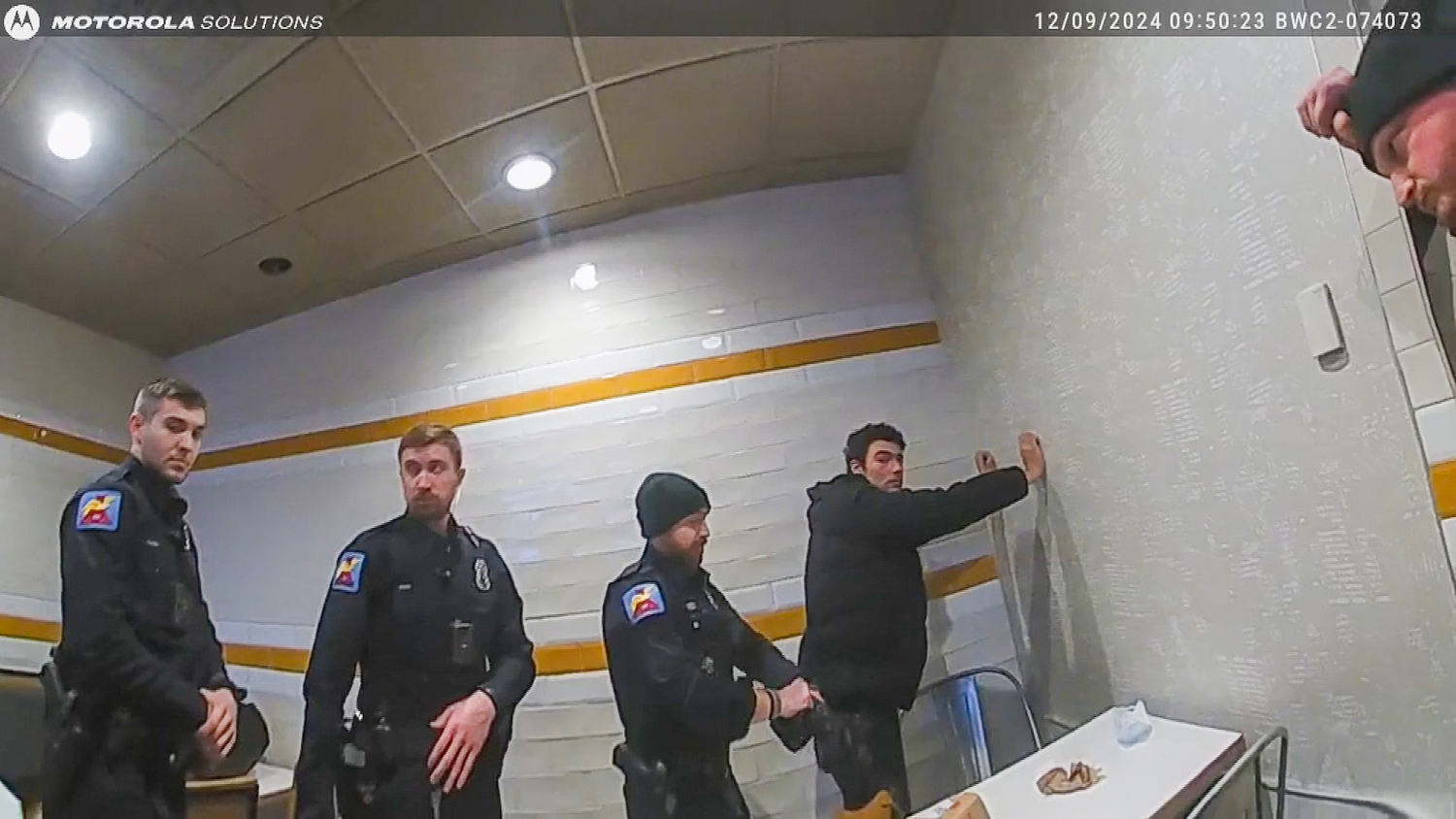
The machinery of state-sanctioned death operates on the promise of cold, clinical precision, but when that machinery stalls mid-operation, the fallout exposes raw human grief and systemic incompetence. May Martinez traveled to Nashville expecting finality, carrying decades of compounding trauma after her 19-year-old daughter, Colleen Slemmer, was brutally murdered in January 1995. Instead, she watched the state of Tennessee botch the execution of Christa Pike, leaving the inmate hospitalized and the victim’s family stranded in an agonizing limbo of institutional failure.
For more than thirty years, the case of Christa Pike has stood as a dark monument in the annals of American penology. Sentenced to death for a horrific crime committed when she was a teenager, Pike spent decades largely confined in isolation as the sole woman on Tennessee’s death row. When her execution date finally arrived, the process unraveled behind drawn curtains. Reports later surfaced that executioners struggled for hours, cycling through roughly ten needles and attempting multiple intravenous sites across both arms before administering the drugs. Recently making news lately: Scrapping the Pension Triple Lock is the Only Honest Choice Left.
Instead of a swift and orderly procedure, the attempt devolved into medical chaos. Witnesses reported seeing the inmate moving, lifting her head, and speaking while strapped to the gurney. The lethal injection protocol failed to end her life, culminating in an emergency transfer to an off-site hospital where she was resuscitated and treated. For the family of Colleen Slemmer, the botched procedure felt less like a procedural malfunction and more like a cruel rerun of an old trauma.
The systemic shockwaves extended far beyond the walls of the execution chamber. Public officials scrambled to respond, with Governor Bill Lee ordering an independent review led by a former federal prosecutor and halting other scheduled executions in the state. Yet, transparency has proven difficult to secure. State attorneys moved aggressively to block Pike’s legal team from inspecting, collecting, and testing the remaining pentobarbital used in the attempt, citing fears of compromising their drug supply chain. That defensive posture has only intensified public scrutiny, turning a standard penal procedure into a constitutional battleground over state secrecy and competence. Further insights into this topic are covered by TIME.
Legal experts point out that the breakdown highlights an uncomfortable reality for corrections departments nationwide. As traditional pharmaceutical suppliers refuse to provide drugs for capital punishment, states have increasingly relied on compounding pharmacies and secretive procurement methods. The results are predictable. When protocols lack rigorous standardization and independent oversight, the margin for catastrophic error widens dramatically.
For Martinez, policy debates and legal motions offer cold comfort. Standing outside the system that promised closure and delivered only confusion, her frustration reflects a broader institutional betrayal. The state demanded absolute authority over life and death, yet demonstrated a profound inability to execute either responsibility without administrative failure. As independent investigators comb through medical logs and legal filings, the foundational credibility of capital punishment in the region faces an unprecedented reckoning.
The administrative machinery may attempt to repair its protocols, but the underlying fracture remains visible to anyone willing to look past the institutional disclaimers.
https://www.youtube.com/watch?v=K10vZelGd1g
This news report provides a detailed breakdown of Christa Pike speaking out following her failed execution and the state's response.