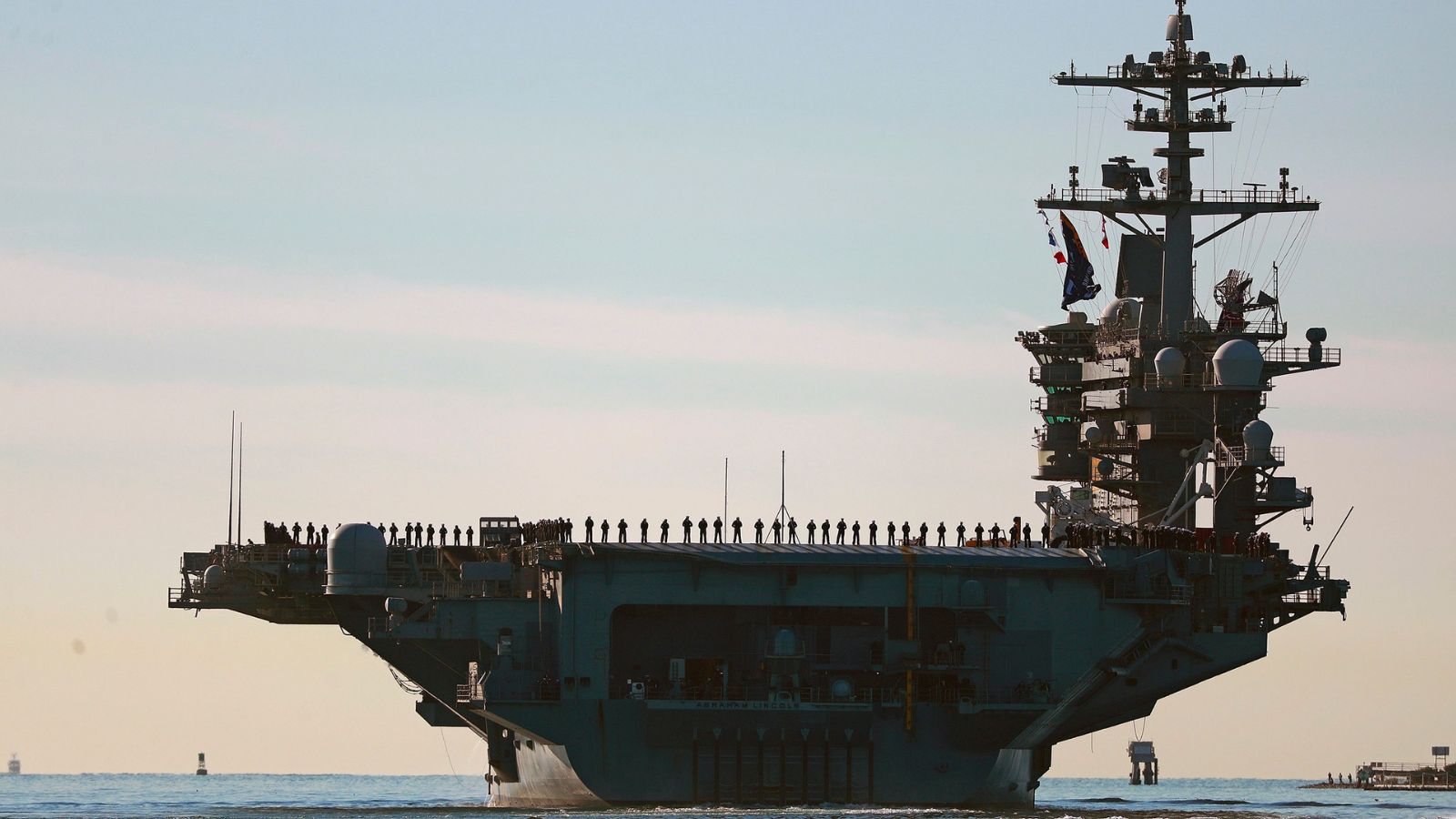
The USS Abraham Lincoln is currently testing the absolute breaking point of United States naval endurance. Defense Secretary Pete Hegseth recently rejected reports of a deepening crisis aboard the aircraft carrier as completely misrepresented, insisting that every crew member receives full support during extended operations. Yet, this pushback collides with a stark operational reality. The carrier has spent over two hundred and forty consecutive days at sea without a port call, marking one of the longest continuous deployments in modern naval history.
For the five thousand sailors and marines packed into the hulls of the floating airbase, the prolonged mission in the Middle East has translated into profound physical exhaustion and intense psychological strain. While Washington officials maintain that supply lines remain functional and morale stable, families back home and lawmakers on Capitol Hill are sounding severe alarms.
The Anatomy of an Extended Deployment
Deployments in the modern Navy follow structured timelines for a reason. Standard rotations typically span six to nine months, punctuated by strategic port visits that offer crews a chance to step off the steel decks, sleep horizontally, and reset mentally. When those anchors stay up indefinitely, the math changes.
The Lincoln left San Diego, slipped into the Pacific, and was subsequently redirected into the volatile Middle East operating theater to support operations against Iran. As regional combat actions escalated, traditional supply channels fractured. Maintaining a floating city in a contested zone requires a logistical juggernaut, and the friction points quickly multiplied.
According to reports from military-focused outlets like the Navy Times and Stars and Stripes, along with distressed text messages leaked by family members, the strain manifested in concrete deprivations:
- Fresh produce vanished from the mess decks, leaving crews heavily reliant on frozen stores and rations.
- Plumbing systems strained under the weight of continuous use, leading to chronic maintenance backlogs.
- Mail delivery ground to a halt, leaving care packages and letters from home stalled in transit for months.
- Water supply concerns raised immediate red flags among the enlisted ranks.
These are not abstract policy failures. They are day-to-day indignities that compound rapidly when compounded by twelve-to-fourteen-hour workdays in high-threat environments.
The Clash Between Official Stance and Enlisted Reality
When Hegseth addressed reporters during a trip to Panama, his tone was defiant. He praised the incredible work of sailors enduring high seas and austere conditions, maintaining that the Pentagon ensures every ship and captain has everything required at every single moment.
That viewpoint creates a sharp disconnect with the lived experiences echoing through family readiness groups and congressional offices. Senator Richard Blumenthal dispatched an urgent formal inquiry to Pentagon leadership, demanding an accounting of fatigue metrics, water safety, and mental health resources aboard the carrier. The letter followed harrowing accounts from town hall meetings where military spouses relayed text messages from deployed members expressing profound despair.
The Navy acknowledged that combat operations created a highly contested logistical environment, forcing leadership to prioritize mission-critical cargo like food and basic hygiene over secondary comforts. Yet, incidents like a sailor going overboard last month—who was subsequently rescued and evaluated—underscore the acute pressure cooker environment on board. While naval officials state they have observed no statistical increase in suicidal ideations, the anecdotal reports from the flight deck paint a picture of an exhausted force stretched far past standard operational parameters.
Fleet Readiness and Future Strains
The crisis on the Lincoln exposes a deeper vulnerability within America's global posture. The Navy is attempting to project power across multiple theaters with a shrinking hull count. When a single carrier is forced to pull a double shift because replacement schedules slip or geopolitical flashpoints flare up, the cost is paid entirely by the junior enlisted personnel keeping the engines turning and the jets launching.
Relief is finally moving toward the region, with the Pacific-based USS George Washington steaming to take over the mission. That handoff will eventually allow the Lincoln crew to trace a course back home, but the structural questions regarding fleet rotation and sailor well-being will linger long after the moor lines are secured. The gap between political rhetoric and the physical limits of human endurance remains wide open