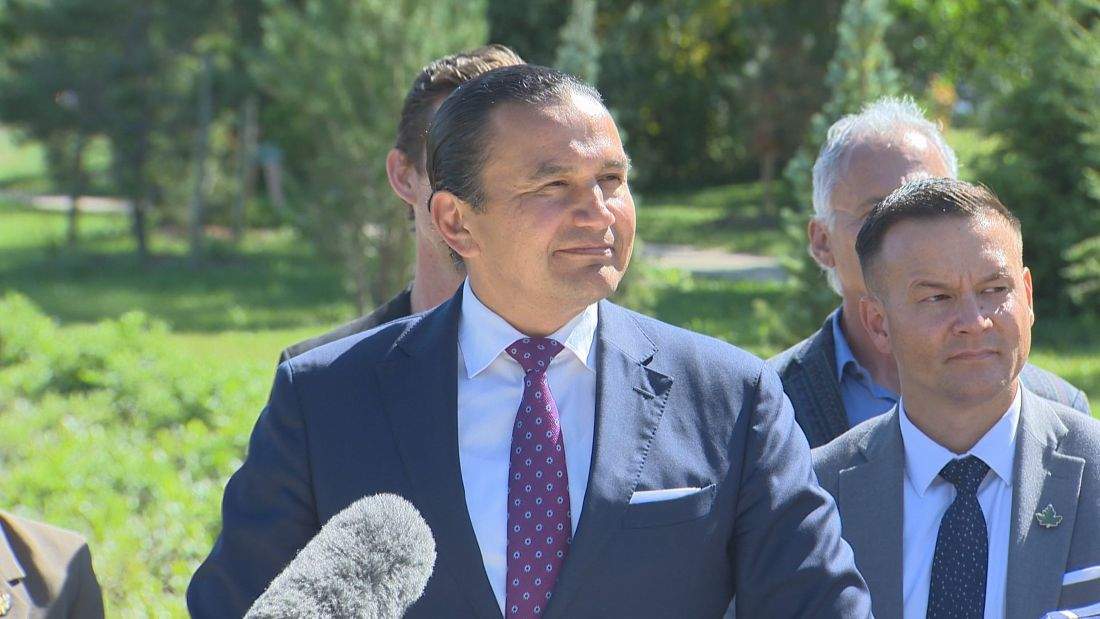
Milwaukee County Executive David Crowley secured a razor-thin victory over state Representative Francesca Hong in the fierce Democratic gubernatorial primary in Wisconsin. Squeaking ahead by roughly three thousand votes, Crowley captured the nomination in a contest that tested the ideological boundaries of the party in a critical battleground. The upset reshapes the electoral math for November, forcing political analysts to re-evaluate how moderate pragmatism and democratic socialism contend for the soul of the Midwest.
Primary elections in swing states rarely unfold according to script. This cycle proved no exception. Long months of campaigning exposed a deep fracture line within the party apparatus. On one side stood Crowley, a seasoned executive emphasizing electability and economic coalition-building. On the other side stood Hong, a democratic socialist whose energetic grass-roots movement challenged establishment orthodoxies on childcare, corporate data centers, and universal school meals. Discover more on a connected issue: this related article.
The Anatomy of a Late-Stage Comeback
Crowley's path to the nomination resembled a political thriller. Earlier in the cycle, he had temporarily suspended his campaign, leaving many to write off his chances entirely. Pundits had anointed Hong as the clear frontrunner, propelled by an aggressive field operation and momentum from progressive victories elsewhere in the region.
Everything shifted when outgoing Governor Tony Evers intervened. Evers endorsed Crowley upon his reentry, injecting institutional muscle and immediate credibility into a floundering enterprise. More reporting by NBC News delves into similar perspectives on this issue.
This high-stakes maneuver was not merely about personal loyalty. Party power brokers feared that Hong's past political baggage—including historical statements regarding law enforcement and provocative social media commentary—would create insurmountable vulnerabilities against the Republican nominee, U.S. Representative Tom Tiffany. In a state where statewide margins routinely measure in fractions of a percent, party elites calculated that electability trumped ideological purity.
Beyond Left Versus Center
Media narratives quickly slapped a standard label on the matchup, framing it as a predictable battle between the progressive left and the moderate center. Reality proved messier. Both candidates targeted the crushing costs of daily life, stagnant wages, and the prohibitive expense of childcare.
The divergence lay in execution and rhetoric. Hong championed structural overhauls, such as a moratorium on new data center construction and uncompromising wealth redistribution measures. Crowley leaned into his personal narrative of overcoming childhood housing insecurity, translating that journey into a platform focused on administrative competence and incremental institutional reform.
Consider a hypothetical scenario of a manufacturing town outside of Green Bay. A progressive blueprint demands immediate, sweeping systemic dismantling of corporate tax incentives. A moderate blueprint negotiates localized employment agreements while preserving corporate footprints. Wisconsin voters sat squarely in the middle of that tension. The narrow vote tallies reveal an electorate split almost precisely down the middle, signaling that neither faction can safely ignore the other.
The General Election Horizon
With the primary dust settling, Crowley pivots toward a formidable challenge against Tiffany, an ardent supporter of Donald Trump who ran unopposed in the Republican primary. Unifying a fractured party will dictate whether the narrow primary win translates into November success.
Hong's campaign demonstrated that democratic socialism commands a massive, organized constituency in the Upper Midwest. Suppressing that energy risks depressing turnout among young and working-class voters who demand transformative change. Conversely, ignoring moderate suburban voters hands the electoral advantage right back to the opposition. Crowley faces the delicate task of absorbing progressive policy aspirations without alienating the center-left independents who ultimately decide Wisconsin's fate.
The margin of victory was razor thin, but the political fallout stretches across the national landscape. Wisconsin remains the ultimate political barometer, and the autumn campaign will test whether a bruised coalition can heal fast enough to hold the line
Major upset: David Crowley beats Francesca Hong provides a detailed broadcast recap of the stunning primary results and what they mean for the upcoming general election.
http://googleusercontent.com/youtube_content/1