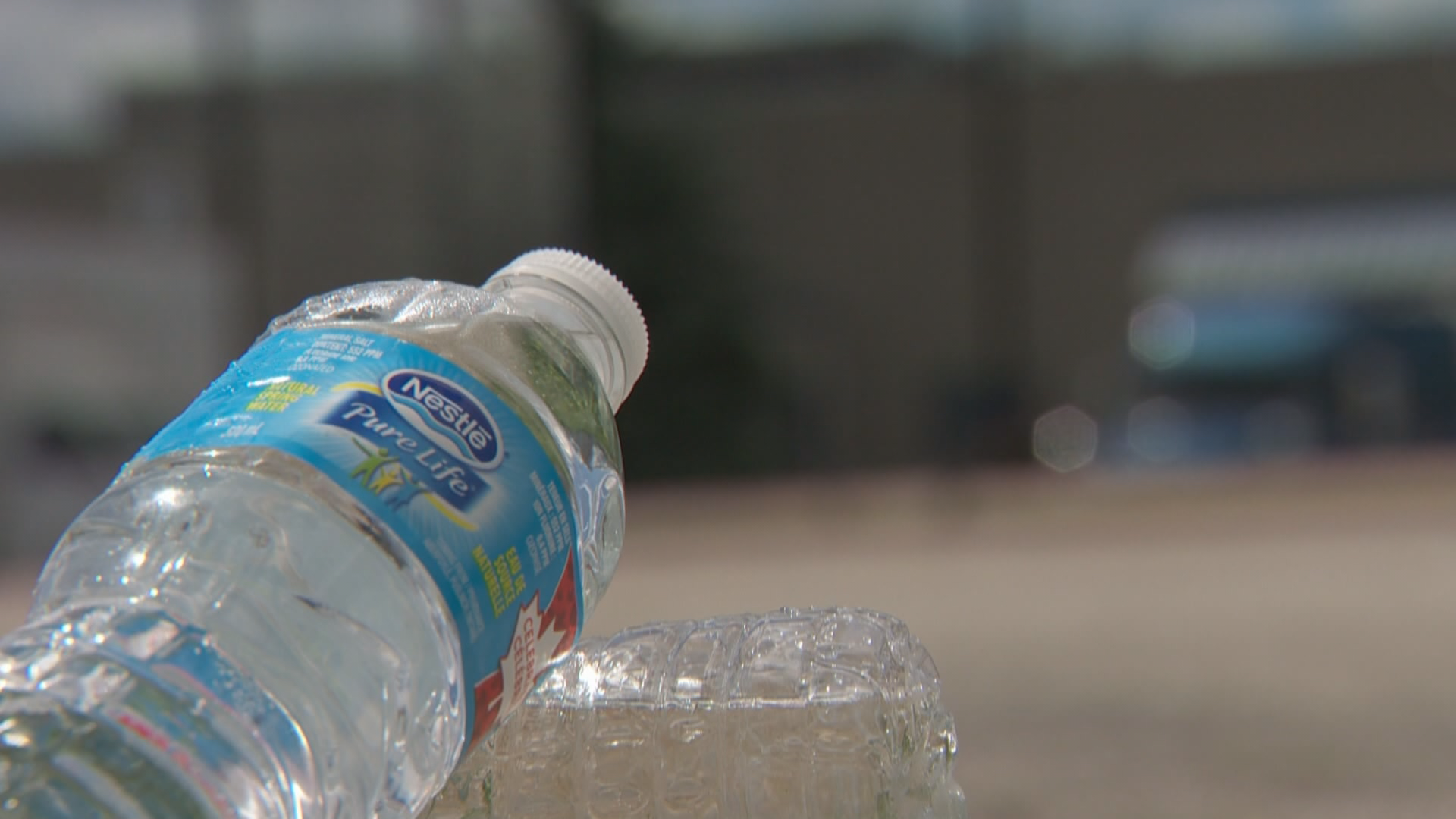
FIFA has completely banned fans from bringing reusable water bottles into all World Cup stadiums, completely reversing its previous policy just days before the tournament begins. The decision leaves millions of fans facing dangerous summer heat across North America without a personal way to carry water.
While the global soccer body claims the move is strictly a security measure to protect players and spectators from flying projectiles, the reality on the ground points to a massive logistical and commercial mess. Fans are now forced to choose between waiting in long concourse lines for expensive plastic bottles or risking dehydration in stadiums where temperatures are expected to soar past 32°C.
The Last Minute Switch
Until this week, the official FIFA Stadium Code of Conduct was clear. It explicitly permitted spectators to bring in empty, transparent, reusable plastic bottles up to one liter in size to refill at stadium water fountains. Local venue managers, including those at BC Place in Vancouver and BMO Field in Toronto, had spent months telling local media and ticketholders that refillable containers were perfectly fine.
That plan was quietly erased on Tuesday. FIFA quietly stripped the permission from its guidelines and blasted an update to ticket holders stating that reusable bottles are now completely prohibited.
The governing body defended the abrupt policy shift by stating it needs to align rules across all 16 host venues, noting that several NFL and MLS stadiums already ban outside bottles during domestic seasons. According to Zurich, the universal ban is meant to stop fans from throwing hard objects onto the pitch, protecting players, referees, and field staff.
Profit Under the Guise of Safety
Supporters groups are not buying the security narrative. Organizations representing fans across the United States, Canada, and Europe have quickly pointed out that empty, soft-sided plastic bottles pose almost zero physical threat when thrown. The suspicion that this is a commercial play rather than a safety initiative is deeply rooted in how FIFA structures its stadium monopolies.
Inside the gates, all beverage distribution is tied directly to major corporate partnerships. Water, soft drinks, and sports beverages are supplied exclusively by tournament sponsors. By forcing fans to throw away their personal bottles at the security gates, FIFA has effectively created a captive market of tens of thousands of thirsty spectators per match who have no choice but to purchase single-use plastic bottles.
FIFA claims that water pricing inside the stadium footprint will mirror standard event rates for each venue. But standard venue pricing for stadium events across major metropolitan areas like New York, Los Angeles, and Atlanta routinely hits $5 to $7 per bottle. For a family of four attending a midday match in the blistering summer sun, staying safely hydrated will easily add fifty dollars or more to an already historically expensive ticket.
The Logistics of Extreme Heat
The physical risk to fans is the most immediate concern for local health officials. The expanded tournament features 48 teams playing 104 matches, many scheduled during peak afternoon heat in open-air venues across Texas, California, and Mexico.
FIFA recognizes the climate danger for the athletes on the pitch. Referees are mandated to implement official three-minute hydration breaks midway through each half to ensure players do not suffer from heat exhaustion. Spectators in the upper decks of sun-baked American football stadiums, however, will not have it so easy.
Stadium Hydration Rules: Previous vs. New
+-----------------------------------+-----------------------------------+
| Previous FIFA Policy              | Current Updated Policy            |
+-----------------------------------+-----------------------------------+
| Empty, transparent plastic        | Reusable bottles completely       |
| containers up to 1L allowed.      | prohibited at all 16 venues.      |
+-----------------------------------+-----------------------------------+
| Refills permitted at internal     | Internal fountains cannot be      |
| stadium water stations.           | utilized with personal bottles.   |
+-----------------------------------+-----------------------------------+
| Standard medical liquids up       | Medical liquids limited to 500ml  |
| to 1L allowed with notice.        | and require certified doctor note.|
+-----------------------------------+-----------------------------------+
To offset the blowback, organizers are promising a massive deployment of infrastructure outside the security gates. Host cities are setting up cooling tents, misting fans, and industrial hydration stations along the "last mile" walking paths leading to the turnstiles.
The flaw in this strategy is basic stadium logistics. Fans can drink all the water they want while waiting in line outside, but once they pass through the metal detectors and surrender any loose containers, they are entirely dependent on internal stadium infrastructure. While venues do have built-in drinking fountains, they are designed for quick sips, not for hydrating a massive crowd that is barred from filling up containers. The bottleneck will inevitably shift directly to the concession lines.
Medical Exceptions and Bureaucracy
The strictness of the updated code leaves very little room for flexibility, even for vulnerable attendees. The exceptions allowed under the new rules are buried in dense paperwork requirements.
Parents traveling with toddlers can bring baby milk and sterilized water up to one liter per child, but it must be in transparent containers. For adults with chronic medical conditions that require immediate access to liquids, the rules are punishing.
Spectators can carry essential medical liquids, but they are strictly limited to 500 milliliters. Furthermore, the individual must present an official medical certificate written in or translated into English, French, or Spanish at the gate. If a fan shows up with a legitimate medical need but lacks the exact paperwork required by international soccer bureaucracy, stadium security staff have strict orders to confiscate the liquid.
This administrative hurdle ignores the realities of major tournament travel, where international fans may not understand the sudden shifts in local stadium rules. Security lines at the World Cup are notorious for being chaotic and rushed. Frontline stadium workers, often hired through temporary local agencies, are rarely equipped to evaluate foreign medical certificates while trying to push thousands of fans through a gate before kickoff.
Environmental Hypocrisy
The sudden bottle ban also highlights a massive contradiction in soccer's corporate messaging. For years, major sporting organizations have publicly committed to green initiatives, pledging to reduce waste and lower the carbon footprint of global tournaments.
Forcing hundreds of thousands of fans per day to purchase single-use plastic water bottles completely dismantles those environmental goals. Instead of utilizing permanent stadium plumbing and encouraging reusable habits, the tournament will generate millions of tons of plastic waste that must be managed by the host cities.
Local organizing committees are left to scramble to deal with the mountain of waste generated by the sudden policy shift. The environmental impact of shipping, chilling, and discarding millions of extra aluminum cans and plastic bottles across three nations directly undermines the sustainable image the tournament spent years trying to project.
Ultimately, the water bottle ban exposes the friction between commercial stadium operations and basic fan comfort. Security concerns are real, and no stadium operator wants objects thrown at players. However, by solving a security issue with a sweeping ban that pads corporate beverage sales while exposing fans to extreme weather risks, the governing body has created a dangerous public health environment before a single ball has been kicked.