The efficacy of an integrated air defense system (IADS) is not measured by the count of successful intercepts, but by the preservation of protected assets and the minimization of kinetic fallout over high-value urban areas like Haifa. When Iranian ballistic or cruise missiles enter Israeli airspace, the engagement logic shifts from a simple detect-and-destroy sequence to a complex optimization problem involving terminal velocity, fragmentation patterns, and electromagnetic interference.
The Multi-Layered Interception Logic
Israel’s defense posture relies on a hierarchical filtration system designed to address different threats based on their altitude, speed, and trajectory. This system operates on the principle of nested protection, where each layer serves as a failsafe for the one above it.
Exo-atmospheric Engagement: The Arrow Series
The Arrow-2 and Arrow-3 systems constitute the outermost layer of the defense architecture. Their primary function is to intercept medium-range ballistic missiles (MRBMs) while they are still outside the Earth's atmosphere or in the upper reaches of the stratosphere.
- Arrow-3: Utilizes a "hit-to-kill" kinetic interceptor. By colliding directly with the target at hypersonic speeds, the system eliminates the need for an explosive warhead, relying instead on the transfer of kinetic energy to pulverize the incoming missile.
- Arrow-2: Operates in the high atmosphere, using a proximity-fuzed fragmentation warhead. This is necessary for targets that may have already begun their re-entry phase, where the air density makes precise kinetic "bullet-on-bullet" collisions more difficult to execute.
The Medium-Range Buffer: David’s Sling
Often referred to as the "Stunner," this layer targets tactical ballistic missiles and long-range rockets. Its distinguishing feature is the dual-mode seeker (infrared and radar) housed in a "dolphin-nosed" interceptor. This redundancy is critical in the Haifa corridor, where maritime clutter and mountainous terrain can create radar "blind spots" or multipath interference.
Terminal Point Defense: Iron Dome
While frequently associated with short-range Qassam or Katyusha rockets, the Iron Dome acts as the final goalkeeper for cruise missiles or fragments that bypass the upper tiers. Its "Tamir" interceptors are cost-optimized, utilizing electro-optical sensors and steering fins to maneuver in the thick lower atmosphere.
The Physics of Urban Fallout and "Debris Management"
A common misconception in reporting on the Haifa intercepts is that a successful "hit" ends the threat. In reality, the interception begins a new phase of risk: the management of kinetic energy and hazardous materials.
Kinetic Energy Transfer and Fragmentation
When an interceptor strikes an Iranian ballistic missile, the combined closing velocity can exceed $5,000$ meters per second. The resulting debris field follows a parabolic trajectory dictated by the momentum vector at the moment of impact.
- High-Altitude Intercepts: If the Arrow system strikes a missile at an altitude of $100$ km, the debris is likely to burn up upon re-entry or scatter over a vast, sparsely populated area.
- Low-Altitude Intercepts: If an intercept occurs at $10$ km, the debris cloud remains concentrated. Heavy components, such as the engine block or unspent propellant tanks, can fall onto urban centers like the Haifa Port or residential neighborhoods on Mount Carmel.
The Problem of Unspent Fuel
Iranian liquid-fueled missiles, such as variants of the Shahab or Ghadr, carry highly toxic hypergolic fuels or volatile oxidizers. An interception that breaks the airframe without incinerating the fuel tanks results in a "chemical rain" over the target area. This necessitates a specific engagement rule: intercepting at a sufficiently high altitude to ensure fuel atomization or choosing an intercept geometry that pushes the debris toward the Mediterranean Sea.
Strategic Bottlenecks in the Haifa Defense Sector
Haifa presents a unique set of challenges for IADS operators due to its geography and industrial density. The city is a concentrated hub of chemical storage, energy infrastructure, and naval assets.
Geographic Multipath and Radar Shadowing
The Mount Carmel ridge creates a "radar shadow" for ground-based sensors. If a low-flying cruise missile approaches from the north or east, it can use the terrain to mask its radar cross-section (RCS) until it is within seconds of its target. To counter this, the Israeli Air Force (IAF) must maintain airborne early warning (AEW) platforms or tethered high-altitude sensors (like the "Elevated Sensor" blimp) to provide a "look-down" capability that bypasses terrestrial obstructions.
The Economic Attrition Function
The cost-exchange ratio is a brutal metric for any defense consultant.
- Offense: An Iranian-produced drone or rocket may cost between $$20,000$ and $$100,000$.
- Defense: A single Iron Dome interceptor costs roughly $$50,000$, while a David’s Sling interceptor exceeds $$1$ million, and an Arrow-3 interceptor can cost up to $$3$ million.
The strategy for the Haifa defense is to utilize "Selective Interception." The Battle Management Center (BMC) calculates the projected impact point within milliseconds. If the trajectory indicates the missile will land in the sea or an uninhabited valley, the system stands down. Intercepts are only authorized for "protected assets," which include civilian population centers and critical infrastructure.
Intelligence and Early Warning Synchronization
The success of the intercepts over Haifa is heavily dependent on the "Green Pine" radar system and its integration with US-operated X-band radar stations in the Negev. This synchronization allows for a "launch-on-remote" capability.
Detection Phases
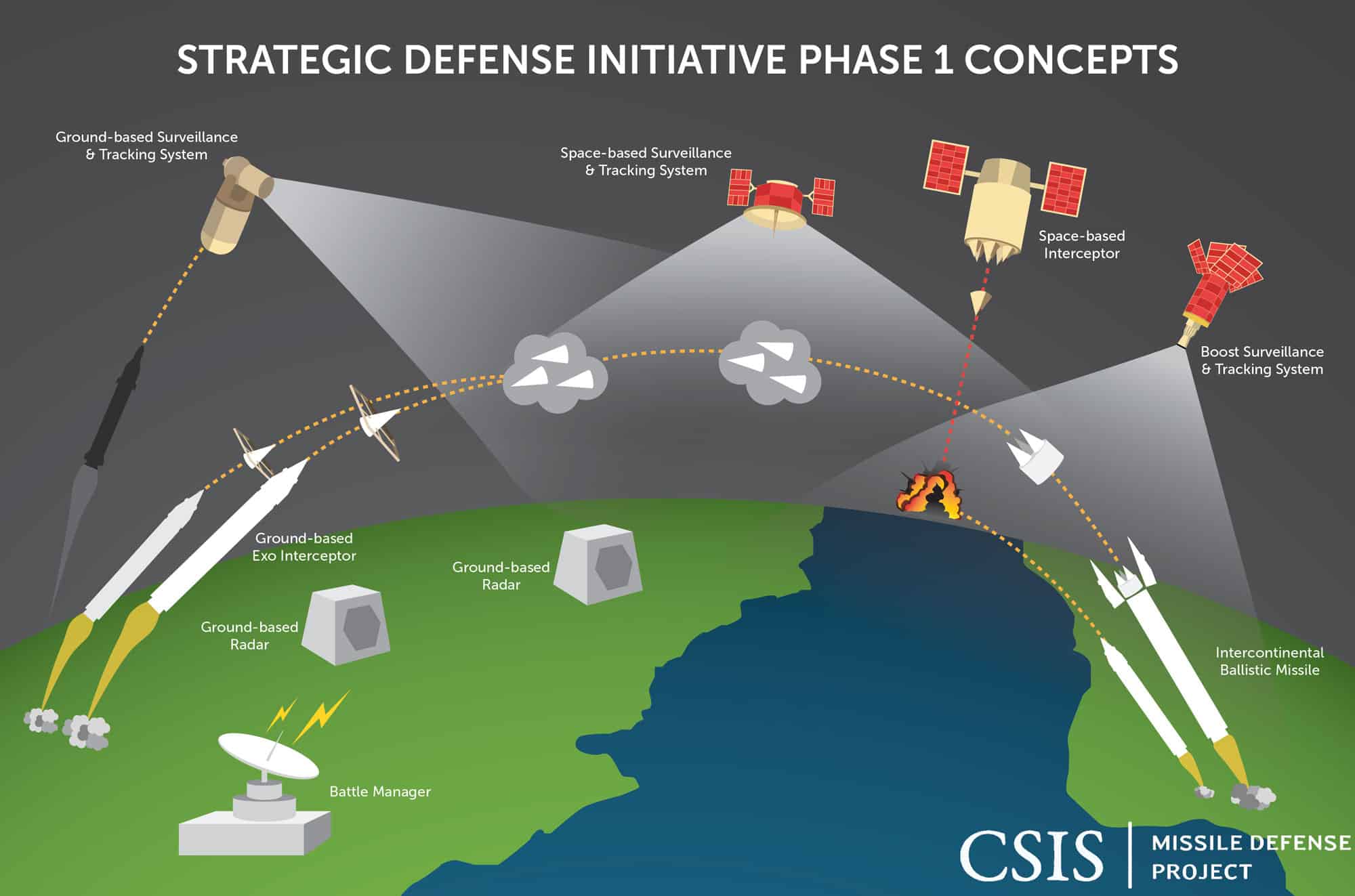
- Boost Phase: Satellite-based infrared sensors detect the heat signature of the missile launch in Iran. This provides approximately 10 to 12 minutes of lead time for Haifa.
- Mid-course Phase: Long-range radars track the object in space, refining the trajectory and identifying decoys.
- Terminal Phase: Localized radars in the Haifa district take over, guiding the interceptors to the final coordinates.
The challenge during the most recent escalations has been the "saturation attack" tactic. By launching a mix of slow-moving drones, low-altitude cruise missiles, and high-velocity ballistic missiles simultaneously, an adversary attempts to overwhelm the processing power of the BMC and deplete the interceptor magazines.
Structural Vulnerabilities in Civil Defense
While the "active" defense (the missiles) is high-tech, the "passive" defense (shelters and public response) remains a critical variable. In Haifa, the narrow streets and older architecture of neighborhoods like Hadar HaCarmel create a bottleneck for emergency services.
The "Time to Sound" for Haifa is typically 60 seconds. This is the window between the siren activation and the projected impact. Within this timeframe, the IADS must not only track the threat but also predict the fallout zone to warn the specific districts affected. Over-warning leads to economic paralysis; under-warning leads to mass casualties.
Operational Imperatives for Future Readiness
To maintain the integrity of the Haifa defense sector, the focus must shift from pure kinetic interception to directed energy and cyber-electronic warfare.
The deployment of "Iron Beam," a laser-based defense system, is the logical progression. Laser interception offers a near-zero cost per kill and eliminates the risk of falling interceptor debris. However, its efficacy is currently limited by atmospheric conditions—mist and heavy cloud cover over Haifa can scatter the beam, reducing its thermal lethality.
The second imperative is the hardening of the "digital chain." As the IADS becomes more reliant on AI-driven target prioritization, it becomes more susceptible to electronic spoofing or "ghost" targets. Ensuring the integrity of the sensor data through encrypted, multi-path communication links is as vital as the interceptor itself.
Establish a secondary, sea-based Aegis-compatible radar picket in the Mediterranean to eliminate the Carmel radar shadow and provide a 360-degree detection radius for low-RCS threats.