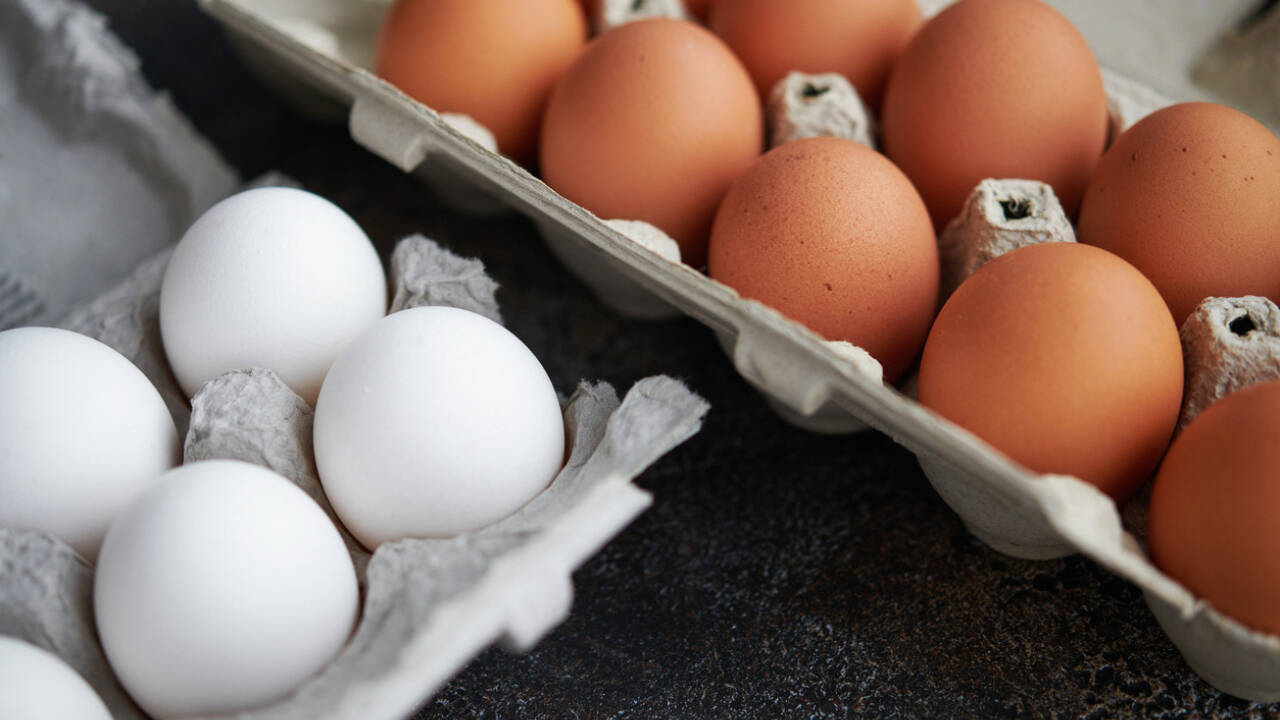
The sizzle of butter hits the hot cast iron pan at precisely six in the morning. It is a quiet, predictable rhythm repeated in millions of homes before the sun fully clears the horizon. A wrist flicks. An egg strikes the ceramic rim of a bowl with a sharp, crisp crack. The shell parts cleanly, dropping a translucent, golden globe into the butter.
It looks pristine. Perfect, even.
Yet inside that microscopic architecture of calcium carbonate, a silent invader can lurk completely undetected. No sour odor warns the cook. No discoloration darkens the yolk. The shell appears smooth, unblemished, and safe. But when federal health officials signaled an emergency alert pulled across five American states, pulling roughly 1.6 million dozen eggs off grocery shelves, that comfortable morning routine dissolved into a stark public health crisis.
Nineteen point two million individual eggs. Try to picture that volume stacked end to end. It is a terrifying mountain of potential infection, stretching from industrial packing plants into family refrigerators, diner griddles, and school cafeterias.
The Microscopic Invader Inside the Shell
To understand how a single microscopic bacterium can throw the food supply of multiple states into chaos, you have to look past the carton. Consider a hypothetical shopper named Clara. She stands in the refrigerated dairy aisle of her local supermarket, shivering slightly in the blast of cold air. She grabs a carton labeled organic, cage-free, or farm-fresh. She checks for cracked shells, closes the lid, and sets it gently in her cart. Clara assumes the chill of the display case is a wall against danger.
Usually, she would be right. But Salmonella Enteritidis plays by different rules.
Most foodborne bacteria colonize the outside of an egg shell, arriving through dirt or manure on the farm. Thorough washing at processing facilities easily strips those surface threats away. Salmonella Enteritidis, however, can infect the hen's ovarian tissue directly. The bacterium creeps inside before the shell even forms around the yolk and albumen. The egg is sealed, packaged, and shipped with the threat locked inside a sterile, natural vault.
When consumed raw or lightly cooked—think soft poached eggs, runny yolks over toast, homemade Caesar dressing, or raw cookie dough—the bacteria enter the human digestive tract. Within twelve to seventy-two hours, the microscopic payload delivers its blow.
Pain starts as a dull, twisting ache in the lower abdomen. Then comes the fever, creeping upward as the immune system realizes it has been compromised. Severe cramps, unrelenting nausea, and debilitating diarrhea follow. For a healthy adult, it means days of agony and absolute exhaustion. For the elderly, infants, or anyone with a weakened immune system, the dehydration can force a rapid trip to the emergency room, where IV fluids become the only line of defense against systemic failure.
The Mechanics of a Massive Recall
When the Food and Drug Administration steps in to pull 1.6 million dozen eggs from circulation, it is never a decision made on a whim. It is the culmination of painstaking epidemiological detective work.
Imagine state health departments tracking dozens of seemingly unrelated illnesses scattered across hundreds of miles. A truck driver in Illinois falls ill. Two days later, a toddler in Wisconsin ends up in a clinic. A diner regular in Michigan skips work with severe fever. On the surface, these people share nothing. They live in different zip codes, work different jobs, and lead vastly different lives.
Behind the scenes, public health investigators interview patients, asking them to recall every single bite of food consumed over the previous week. They analyze blood and stool samples, using genetic sequencing to map the exact DNA fingerprint of the bacterial strain.
When those genetic fingerprints match perfectly across patients in five different states, the invisible threads begin to connect. Investigators trace the supply chain backward through distributors, packing hubs, and ultimately to the specific poultry farms supplying the infected batches.
Once the source is identified, the response must be swift and absolute. Cartons are flagged. Distributors reverse their shipments. Grocery workers haul thousands of crates out of walk-in coolers and toss them into hazmat bins.
The sheer logistics are breathtakingly complex. A single infected flock can produce tens of thousands of eggs every single day. By the time the first patient feels the initial pangs of abdominal pain, those eggs have already traveled down highways, sat in regional warehouses, and landed on breakfast plates.
The Real Human Cost Behind the Statistics
Numbers on an official bulletin often numb us to reality. "1.6 million dozen" sounds like an abstract economic statistic, a line item on a corporate balance sheet or a federal press release.
It is not.
It represents thousands of families standing over their trash cans, staring at half-empty cartons, wondering if the breakfast they served their children yesterday contained a ticking time bomb. It represents small restaurant owners who built their reputations on weekend brunches suddenly forced to throw away inventory, break customer trust, and scramble for clear answers.
Consider the physical reality of the illness itself. It strips away dignity. It leaves healthy human beings shivering on bathroom floors, tormented by severe dehydration, unable to keep down a single sip of water. It forces parents to sit by cribs through sleepless nights, wiping cooling washcloths across the foreheads of feverish toddlers whose little bodies are struggling against the infection.
The financial wake is equally devastating. Farmers face ruined livelihoods, forced to depopulate entire flocks and undergo grueling, expensive decontamination protocols. Grocery retailers lose millions in discarded inventory and damaged consumer trust.
Trust, once cracked, is far harder to repair than a shell.
Protecting Your Table
How do we navigate a food system where the danger can hide behind an unbroken, gleaming shell? Absolute safety requires understanding both the limits and the power of domestic hygiene.
Refrigeration is critical, but cold temperatures merely slow bacterial growth; they do not kill Salmonella. The real weapon is heat.
- Cook thoroughly: Heat is non-negotiable. Poultry products and eggs must reach an internal temperature of 160°F (71°C) to destroy Salmonella entirely. This means cooking yolks and whites until they are firm, not runny, whenever a recall notice is active in your region.
- Avoid cross-contamination: Never let raw egg run onto cutting boards, countertops, or ready-to-eat foods. Wash hands, utensils, and surfaces with warm, soapy water immediately after handling raw eggs.
- Check your cartons: Look up lot numbers and plant codes published by safety agencies. If your carton matches the recalled codes, do not attempt to cook them thoroughly to "play it safe." Return them to the store or throw them away immediately.
- Respect vulnerability: Pregnant women, young children, older adults, and immunocompromised individuals should strictly avoid foods containing raw or undercooked eggs, including homemade mayonnaise, hollandaise, or unpasteurized eggnog.
The modern food distribution network is an astonishing marvel of efficiency, capable of moving millions of fresh items from rural fields to urban tables in forty-eight hours. But that same velocity means that when something goes wrong, the ripple effects spread at terrifying speed.
A single cracked shell in a trash bin is a small price to pay for safety.
The skillet sits cold on the stove. The kitchen is quiet again. Outside, supply trucks roll down the interstate under the pre-dawn sky, carrying fresh shipments under the watchful eye of a system learning, once again, how fragile our daily abundance truly is.