Walk into any high-rise in Mid-Levels or a cramped walk-up in Sham Shui Po at 7:00 PM, and you will hear the same sound. It is the rhythmic thud of a plastic grocery bag hitting a kitchen counter.
For the millions who call Hong Kong home, life is often measured in the contents of those bags. A pack of frozen dumplings. A bunch of bok choy. A bottle of soy sauce. These items aren't just commodities; they are the baseline of survival in one of the most expensive cities on Earth. But lately, a quiet anxiety has begun to brew alongside the evening rice. People are looking at their receipts, then at the logos on the storefronts, and realizing that the walls of the marketplace are closing in.
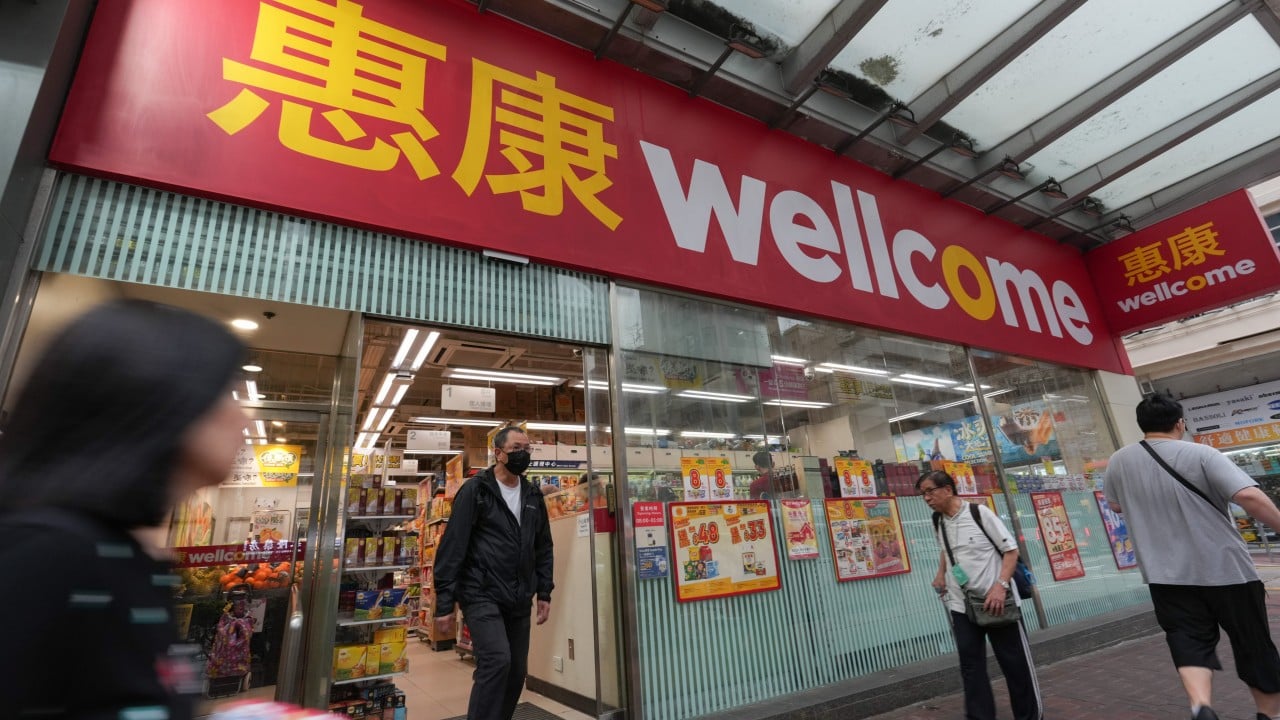
Two giants dominate this vertical concrete jungle. On one side, you have the blue and yellow storefronts of ParknShop. On the other, the familiar red branding of Wellcome. For decades, they have existed in a state of fierce, yet strangely balanced, rivalry. Now, whispers of a potential merger have reached the ears of the Competition Commission, Hong Kong’s antitrust watchdog.
If these two pillars were to become one, the very nature of how seven million people eat, spend, and live would shift overnight.
The Illusion of the Wandering Shopper
Consider Mrs. Wong. She is a hypothetical but very real representation of the Hong Kong consumer. Every Tuesday, she walks past three different convenience stores and two smaller grocers to reach a specific Wellcome because she knows the eggs are two dollars cheaper there. She is a master of the micro-economy. Her loyalty isn't to a brand; it’s to the razor-thin margin of her monthly budget.
In a healthy market, Mrs. Wong’s "wandering" is a superpower. Her willingness to walk an extra block keeps prices down. Competition is the friction that prevents costs from sliding upward. When two massive entities compete, they are forced to court Mrs. Wong. They offer discounts, they modernize their supply chains, and they keep their profit margins in check because they know that if they don't, she will simply cross the street.
But imagine a world where she crosses the street and finds the same owner.
When the Competition Commission announced it was "monitoring" the situation, it wasn't just performing a bureaucratic duty. It was responding to a fundamental threat to the city’s equilibrium. A merger of this scale would create a near-monopoly in the supermarket sector. The watchdog’s concern isn't about the corporate boardroom; it’s about Mrs. Wong’s kitchen table.
The Mechanics of a Silent Monopoly
Antitrust laws exist because power, by its nature, seeks to consolidate. In a city like Hong Kong, where land is the ultimate premium, the barriers to entry for a new supermarket are astronomical. You cannot simply open a massive grocery store in Causeway Bay on a whim. You need space, logistics, and a supply chain that can navigate one of the most complex urban environments on the planet.
ParknShop and Wellcome already own the infrastructure. They own the warehouses. They have the long-term leases.
If they merge, the "invisible hand" of the market doesn't just stop moving—it clenches into a fist.
The technical term is "market power." When a single entity controls a vast majority of the grocery trade, they no longer have to worry about Mrs. Wong walking away. Where would she go? The high-end boutique grocers are too expensive for daily staples. The wet markets, while vibrant, don't offer the same shelf-stable variety or air-conditioned convenience.
The real danger, however, isn't just the price of a bag of rice. It’s what happens behind the scenes with the suppliers.
The Squeeze on the Small Player
Think about the local noodle maker or the small-scale vegetable importer. Currently, they have two major doors to knock on. If ParknShop rejects their price, they go to Wellcome. This creates a balanced negotiation.
Now, remove one of those doors.
The merged entity becomes a "monopsony"—a market where there is only one significant buyer. The small supplier is told, "We will pay you 20% less than last year, or we won't carry your product at all." The supplier has no choice. They take the hit. Eventually, they go out of business or reduce the quality of their goods. The diversity of the Hong Kong pantry begins to wither.
This is the "invisible stake" that the Competition Commission is weighing. They aren't just looking at spreadsheets; they are looking at the survival of the entire ecosystem of trade that feeds the city. They are looking at whether a single corporate entity should have the power to dictate the terms of existence for thousands of smaller businesses.
The Watchdog’s Dilemma
Monitoring is a polite word for a high-stakes standoff. The Commission has to be careful. They cannot stop a merger based on rumors alone, but they must be ready to strike if a formal proposal hits the desk.
In many ways, the Commission is the only thing standing between the consumer and a total loss of leverage. They use complex economic models to predict "Substantial Lessening of Competition" (SLC). They look at "Herfindahl-Hirschman Index" scores, which measure market concentration. But beyond the math, they are asking a human question: Will the people of Hong Kong be better or worse off?
The argument from the corporate side usually involves "efficiencies." They claim that by merging, they can save money on logistics and pass those savings to the customer.
History, however, suggests otherwise.
In isolated markets like Hong Kong, "efficiency savings" rarely trickle down to the person holding the plastic bag. Instead, they usually flow upward to the shareholders. When you don't have to compete, you don't have to be cheap. You just have to be there.
The Heart of the City
Hong Kong is a city built on the hustle. It’s a place where everyone is trying to find an edge, a discount, or a better way to get ahead. This spirit depends on the existence of a fair playing field.
If the grocery market consolidates, that field tilts.
It becomes a place where the cost of living—already a crushing weight for many—becomes an automated, non-negotiable tax. The small joys of finding a "good deal" vanish, replaced by a dull acceptance of whatever price is printed on the electronic shelf label.
We often think of business news as something that happens in glass towers, disconnected from the reality of the street. We see headlines about mergers and acquisitions and flip the page. But this specific merger is different. This is about the milk in your coffee. This is about the fruit you buy for your parents. This is about the very fuel that keeps the city running.
The Competition Commission is currently watching the horizon. They are waiting to see if the two giants will try to become one. They know that once a market is monopolized, it is almost impossible to break it back apart. You cannot unscramble an egg.
As the sun sets over Victoria Harbour, millions of people are heading into those blue, yellow, and red stores. They are picking up baskets. They are checking prices. They are participating in a dance of commerce that has defined the city for generations. For now, the dance continues because there are still two partners on the floor.
But if the music stops and only one dancer remains, the silence will be felt in every kitchen in the city.
The plastic bag hitting the counter will sound a little heavier. The receipt will be a little longer. And the wandering shopper, like Mrs. Wong, will realize she has nowhere left to walk.