We rarely look down at the dirt beneath our feet and wonder where the beating heart of our civilization comes from. We swipe glass screens, flip wall switches, and trust that the lights will stay on. Behind every hum of electricity and every glow of a digital display lies a quiet, staggering machinery of extraction, negotiation, and fragile supply lines.
Picture a dusty workshop in a remote corner of the globe. A miner wearing a stained headlamp swings a pickaxe into a wall of dark rock. That stone holds a secret. It contains a pinch of rare earth elements, a fraction of an ounce of critical minerals that will eventually find its way into the microchips powering smartphones, medical equipment, and electric vehicles across continents. The distance between that muddy trench and a sleek boardroom in New York City feels infinite. Yet, they are bound by an unbreakable tether.
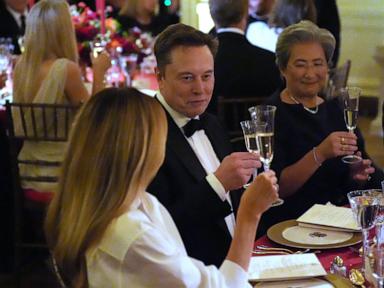
Recently, quiet conversations unfolded behind closed doors in Manhattan. Diplomats, policy architects, and industry leaders gathered to untangle the knots holding modern technology and global energy together. Names like Misri and Helberg entered discussions not as abstract political entities, but as focal points for a much larger question: How do we secure the physical building blocks of tomorrow without breaking the planet or each other in the process?
To understand why a meeting about critical minerals matters, consider what happens when a single link in the chain snaps.
Imagine waking up to a city completely paralyzed. Traffic lights blink out. Hospitals run on sputtering backup generators. Water filtration plants grind to a halt because specialized circuit boards imported from thousands of miles away are suddenly unavailable. This is not a sci-fi dystopia. It is the exact scenario that keeps national security advisers awake at night. Our modern existence depends entirely on a handful of specialized materials—lithium, cobalt, graphite, silicon—that are controlled by very few nations and processed in even fewer facilities.
When leaders talk about frameworks like Pax Silica, they are trying to redraw the map of trust. For decades, globalization meant building things wherever it was cheapest, regardless of who controlled the mines or the refineries. That era is ending. Nations are realizing that economic security is national security. If an adversary controls the silicon and the rare earths, they hold a silent veto over your entire economy.
But shifting these supply chains is not as simple as flipping a switch. You cannot spin up a high-purity processing plant overnight. It takes years of environmental reviews, billions of dollars in capital, and specialized engineering talent that is currently in desperately short supply.
Then there is the shadow of global conflict. The ongoing debates around sweeping sanctions—such as the legislative measures targeting Russia—add immense pressure to an already strained global grid. When you squeeze one major energy exporter out of the market, the shockwaves ripple outward instantly. Heating oil prices spike in European homes. Fertilizer costs soar for farmers in the Midwest. Factories in Asia face sudden power rationing.
Energy security is fundamentally about human dignity. It is about whether an elderly couple can afford to keep their apartment warm during a freezing winter night. It is about whether a small business owner can keep their bakery ovens running when electricity tariffs double overnight. Hooker and other policy figures stepping into these discussions are wrestling with this exact human calculus. Every regulation drafted in a sterile committee room translates directly into warmth or cold, abundance or scarcity, for millions of ordinary people.
We often talk about geopolitics as a game played by distant elites on high-definition television screens. We view it as a spectator sport. But the truth is much closer to home. We are all passengers in this vehicle, and the steering wheel is held by those who manage our access to energy and raw materials.
The conversations in New York City signal a profound realization. The old playbook of cheap, thoughtless consumption has expired. We are entering an era of intense industrial strategy, where governments must actively partner with private innovators to secure mines, refineries, and secure digital networks.
This transition will be messy. It will spark trade disputes, diplomatic friction, and difficult compromises. Communities near new mining sites will protest environmental impacts, forcing a hard conversation about whether we want green technology at the cost of local ecosystems. There are no easy answers, only trade-offs.
Yet, ignoring the problem is no longer an option. The invisible threads connecting the miner in the trench to the diplomat in Manhattan are too tight to fray any further.
As we look toward the horizon, the real challenge will not be technological. We have the engineering brilliance to build solar panels, wind turbines, and quantum computers. The true test will be diplomatic and moral. Can we share the earth's finite treasures without sliding into conflict? Can we keep the lights on for everyone without burning down the house?
The answers are being forged right now, in quiet rooms, behind heavy doors, far away from the daily noise. And the future of every illuminated screen, every running hospital, and every warm home depends on how those answers are written.