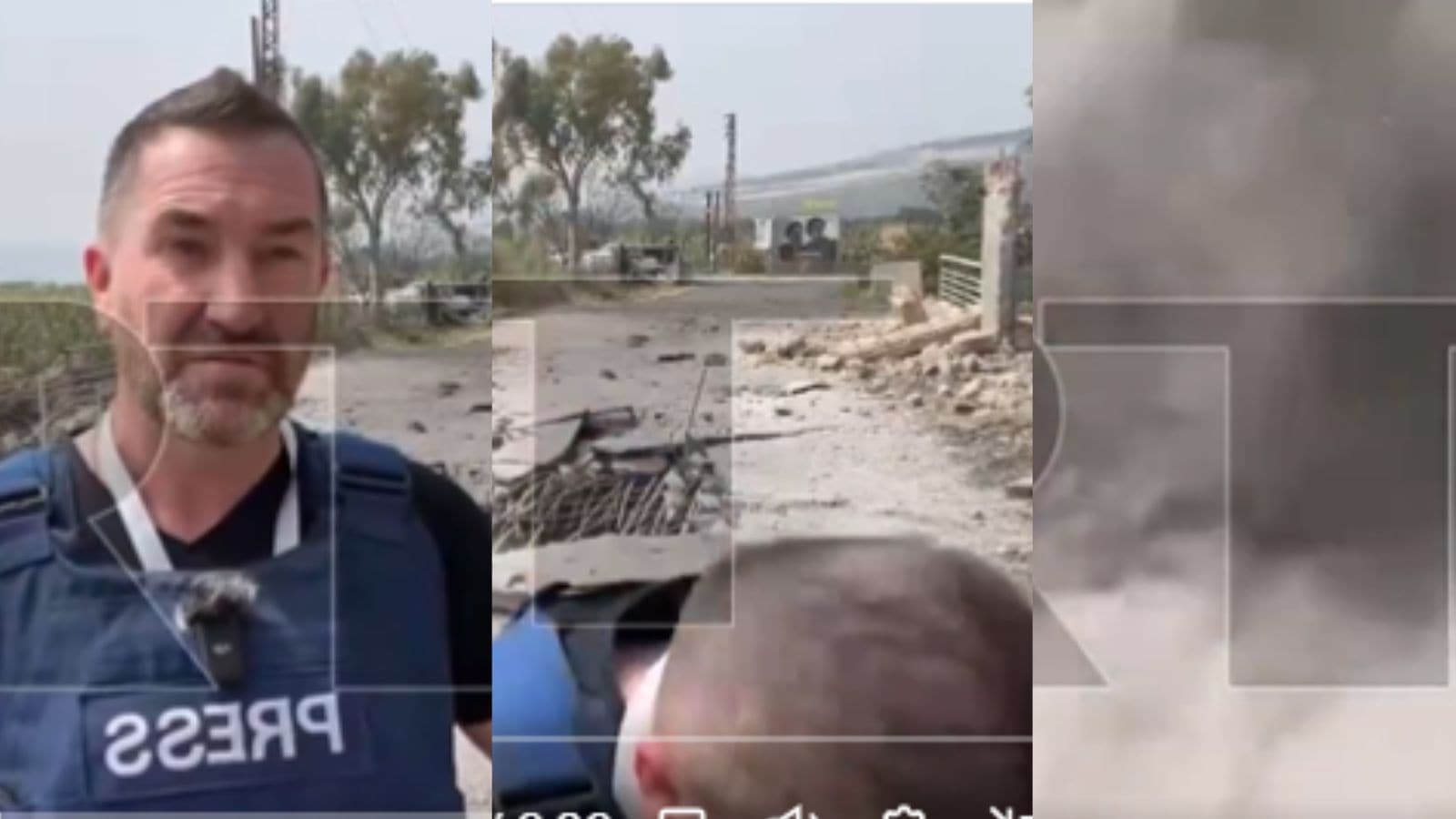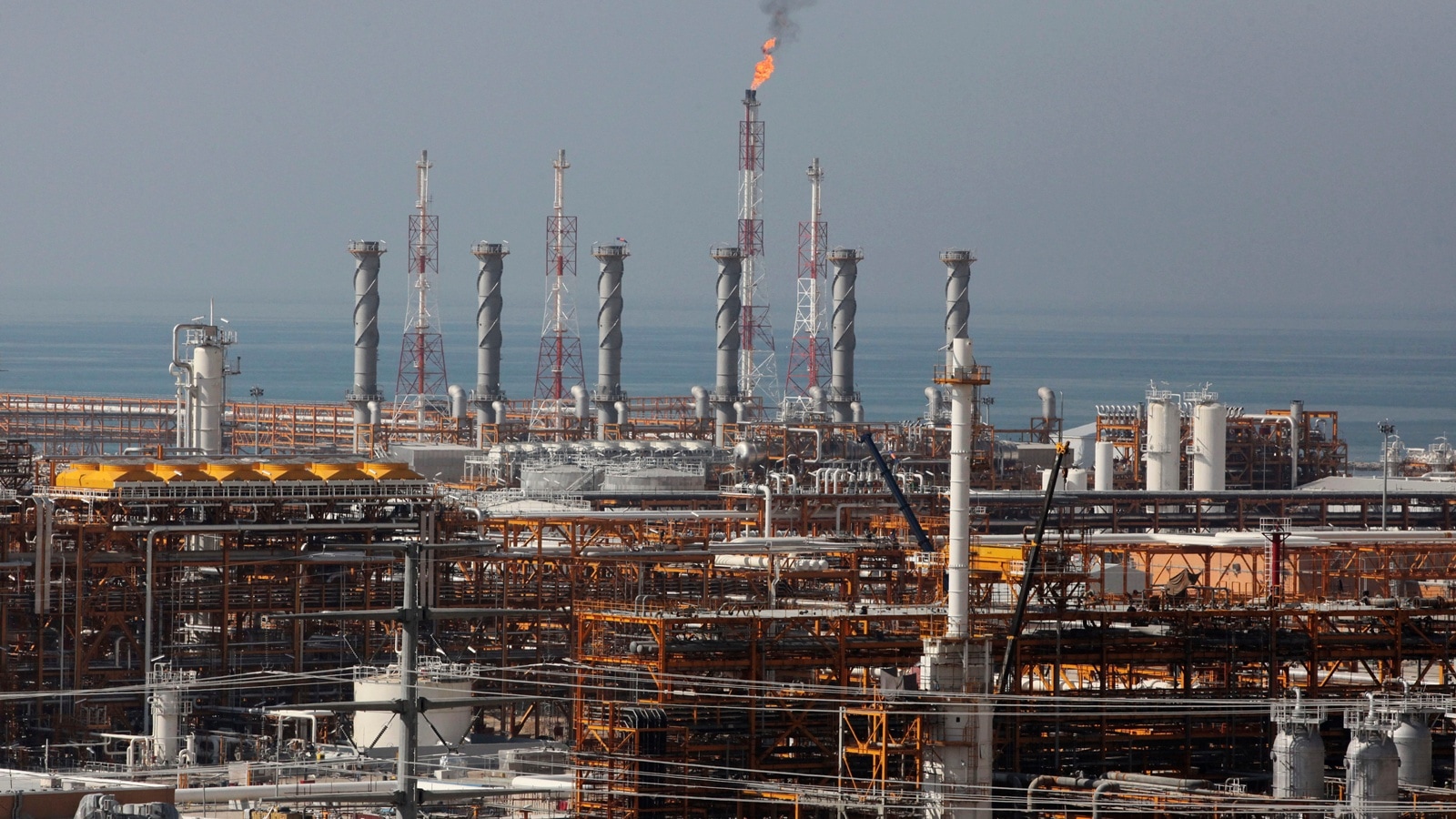
The global energy market just hit a brick wall. When news broke that an Iranian strike successfully took out 17% of Qatar’s Liquefied Natural Gas (LNG) capacity, the ripple effects weren't just felt in Doha. They were felt in every manufacturing hub in Germany and every household in South Korea. QatarEnergy CEO Saad Sherida al-Kaabi confirmed the damage could take up to five years to fully repair. That's not a temporary glitch. It’s a structural shift in how the world gets its power.
If you think this is just another Middle East skirmish, you’re missing the scale. Qatar isn't just another producer. They're the backbone of the transition away from coal. Losing nearly a fifth of their output overnight is the equivalent of removing a major limb from the global economy. Prices are already reacting, and they aren't coming down anytime soon.
The Reality of the Five Year Recovery Timeline
Most people assume modern engineering can fix anything in a few months. That's not how LNG infrastructure works. We're talking about massive, custom-built cryogenic heat exchangers and specialized turbines. These aren't parts you find sitting in a warehouse. They're precision instruments with lead times that often stretch into years even under normal conditions.
Al-Kaabi’s five-year estimate is actually quite realistic, maybe even optimistic. You have to account for the specialized labor required and the fact that the global supply chain for high-end energy components is already stretched thin. QatarEnergy was in the middle of a massive expansion—the North Field East project—and now those resources have to be diverted to salvage what’s left of existing operations.
It’s a mess.
The 17% hit specifically targets the older trains that were the workhorses of Qatari exports. These facilities were designed decades ago. Integrating modern safety protocols and parts into an aging, damaged architecture is a nightmare. It’s often harder than building from scratch.
Europe’s Energy Security is Floating on Thin Ice
Europe spent the last few years patting itself on the back for weaning off Russian pipeline gas. They traded one dependency for another, leaning heavily on Qatari and American LNG. Now, that gamble looks incredibly risky.
With 17% of Qatar's volume gone, the competition for the remaining cargoes will be cutthroat. Europe doesn't just compete with itself; it competes with Japan, China, and India. Those nations have long-term contracts that often take precedence. If you're a buyer in Berlin or Paris, you're now looking at a "scarcity premium" that will likely persist through the end of the decade.
The math doesn't lie.
$$Total\ Supply - 17%\ (Qatar) = \text{Global Energy Deficit}$$
This deficit means more coal burning in the short term. It means slower decarbonization. It means higher inflation. When energy costs spike, everything from the price of bread to the cost of a new car goes up. You can't separate energy from the rest of the economy.
Why the Strait of Hormuz is No Longer the Only Chokepoint
For years, energy analysts obsessed over the Strait of Hormuz. The fear was always a blockade. But this attack proved that physical infrastructure on the ground is just as vulnerable as the shipping lanes. Iran didn't need to sink a single tanker to paralyze the market. They just needed to hit the processing hubs.
This shifts the entire security calculus for the region. Qatar thought its neutral diplomatic stance and massive investment in Western partnerships would buy it a "security umbrella." That umbrella has holes. The precision of the strike suggests a level of intelligence and technical capability that should terrify any nation relying on centralized energy infrastructure.
What This Means for Your Wallet
You might not see the direct impact today, but you'll see it in your utility bills by next winter. LNG is a global commodity. When Qatar loses capacity, the US starts diverted cargoes that would have gone to the domestic market to higher-paying buyers in Asia or Europe. This drives up Henry Hub prices in America.
It’s a domino effect.
- Higher Electricity Costs: Natural gas is the "balancer" for many power grids.
- Industrial Slowdowns: Industries like fertilizer production and steel manufacturing rely on cheap gas.
- Inflationary Pressure: Increased transport and manufacturing costs get passed to the consumer.
The era of cheap, abundant gas is on a forced hiatus. We've entered a period of "energy volatility" where geopolitical events have an immediate, 1:1 impact on the price of living.
The Pivot to US and Australian LNG
Expect the United States and Australia to go into overdrive. They’re the only ones who can even begin to fill this gap. However, they're already running near max capacity. Bringing new projects online takes years. You can't just flip a switch and get more gas.
Investors are going to pour money into North American export terminals now. The risk profile has changed. If you're a big utility company, you're looking at your 20-year contracts and realizing they aren't worth the paper they're printed on if the source is in a strike zone.
Prepare for the Long Haul
Don't wait for the headlines to tell you things are getting expensive. If you're running a business or managing a household, you need to think about efficiency now.
- Audit your energy usage: If you haven't looked at heat pumps or better insulation, now is the time.
- Watch the futures market: Keep an eye on natural gas futures. They're the leading indicator for what your bills will look like in six months.
- Diversify: If you’re an investor, look at the companies building the infrastructure to replace what was lost. The repair and construction sector for energy is about to see a massive windfall.
The world just lost a huge chunk of its energy heartbeat. It won't grow back quickly. You've got to adapt to a world where 17% of the "easy gas" is simply gone.