You can’t call it a ceasefire when the bombs are still falling. On Wednesday, just hours after the world breathed a sigh of relief over a U.S.-Iran truce, Israel launched "Operation Eternal Darkness." It was a massive, non-stop barrage of over 100 airstrikes across Lebanon. In Beirut, the smoke hasn't cleared, and the death toll has already surged past 300.
If you're wondering why your gas prices aren't dropping despite the "peace deal," here’s the reality: the Strait of Hormuz is still a graveyard for global trade. Iran isn't budging on the blockade while its main proxy, Hezbollah, is being hammered. We’re witnessing a diplomatic train wreck where every player is reading a different script.
The Lebanon Loophole That’s Killing the Deal
The biggest mistake you can make is thinking this war has one single front. It doesn't. When Donald Trump announced the two-week truce, he framed it as a victory. But there’s a massive catch that the headlines missed. Israel and the U.S. claim the deal only covers direct fire between Washington and Tehran. Lebanon, they say, is a separate theater.
Prime Minister Benjamin Netanyahu hasn't been shy about this. After a phone call with Trump, the Israeli stance shifted from "maybe" to a hard "no" on including Lebanon. To Israel, Hezbollah is a threat that needs to be dismantled regardless of what happens in the Persian Gulf.
On the other side, Iran and the mediator, Pakistan, insist Lebanon was part of the original handshake. This isn't just a minor disagreement over wording. It’s a fundamental collapse of trust. If one side thinks they’re buying peace and the other thinks they’ve been given a green light to continue a secondary war, the deal is dead on arrival.
Why the Strait of Hormuz Stays Dark
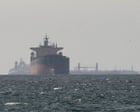
Don't expect those 150 tankers anchored in the Gulf of Oman to move anytime soon. Even though the truce was supposed to reopen the world's most vital energy chokepoint, the IRGC has basically laughed it off.
On April 8, we saw a tiny flicker of hope. A couple of bulk carriers, the Daytona Beach and the Nj Earth, actually made it through. Markets reacted instantly, and oil prices dipped. But that was a head fake. By Thursday morning, the Strait was effectively shut again.
Iran is now playing a different game. They aren't just using missiles; they’re using "toll booths" and "safety risks." Tehran is demanding over $1 million per ship for "safe passage" and insisting on Iranian naval escorts. Toss in the threat of sea mines and GNSS jamming that makes navigation a nightmare, and it's no wonder Maersk is telling its fleet to stay put.
Shipping companies aren't stupid. They see the smoke over Beirut and realize the "ceasefire" is a paper tiger. Insurance premiums are still through the roof, and as long as Israel is conducting 100 strikes in ten minutes, the risk of a miscalculation in the Gulf is too high for any CEO to ignore.
The Humanitarian Cost of Operation Eternal Darkness
Let’s talk about what’s actually happening on the ground in Lebanon, because "Operation Eternal Darkness" isn't just a tough-sounding military name. It’s a catastrophe.
The strikes on Wednesday hit central Beirut during rush hour. No warnings. No "roof knocks." Just 160 munitions dropped on residential neighborhoods. Hospitals like Hiram in Tyre are overwhelmed, and some have even been damaged by nearby strikes.
Doctors Without Borders and other groups are calling this total chaos. When 20% of a country’s population is displaced in a single month—that’s 1.2 million people in Lebanon—you’re looking at a failed state in the making.
What You Need to Know About the Numbers
- 303 people killed in just the Wednesday attacks.
- 1.2 million Lebanese displaced since the invasion began in March.
- 140 ships a day used to pass through Hormuz; now it’s essentially zero.
- 2 weeks is the duration of the "truce" that is already being ignored.
What Happens in Washington Next Week
Direct talks are scheduled at the U.S. State Department next week between Israel and Lebanon. Honestly, it feels like a Hail Mary. Vice President JD Vance is expected to lead a delegation in Pakistan to meet with Iranian officials, but the atmosphere is toxic.
Iran’s new Supreme Leader, Mojtaba Khamenei, says he doesn't want war. He’s been saying it since his father was killed in February. But he also says he won't abandon the "Resistance Front." That’s code for Hezbollah.
You should watch the rhetoric coming out of the U.S. closely. If the Trump administration continues to back Israel’s "Lebanon is separate" stance, the Pakistan talks will fail before the first coffee is poured. China and France are already distancing themselves from the U.S. position, calling for an immediate end to the Lebanon strikes to save the wider truce.
Moving Forward in a Volatile Market
If you're looking for stability, you won't find it here. The regional war has morphed into a grinding conflict of endurance.
- Monitor the Tolls: Watch for reports of ships actually paying Iran’s "tolls." If major carriers start paying, it’s a sign they’ve given up on a military solution to the blockade.
- Follow the Diplomacy: The Washington talks next week are the only thing standing between a two-week pause and a decade-long conflict.
- Watch Oil Volatility: Expect massive swings. Any video of a ship hitting a mine or a drone strike on a tanker will send prices back to record highs, regardless of what the diplomats say in Islamabad or D.C.
The bottom line is simple. You can't separate the Lebanon front from the Iran front. They are the same war. Until the "ceasefire" actually stops the firing on all sides, the global economy is going to keep bleeding at the pump.