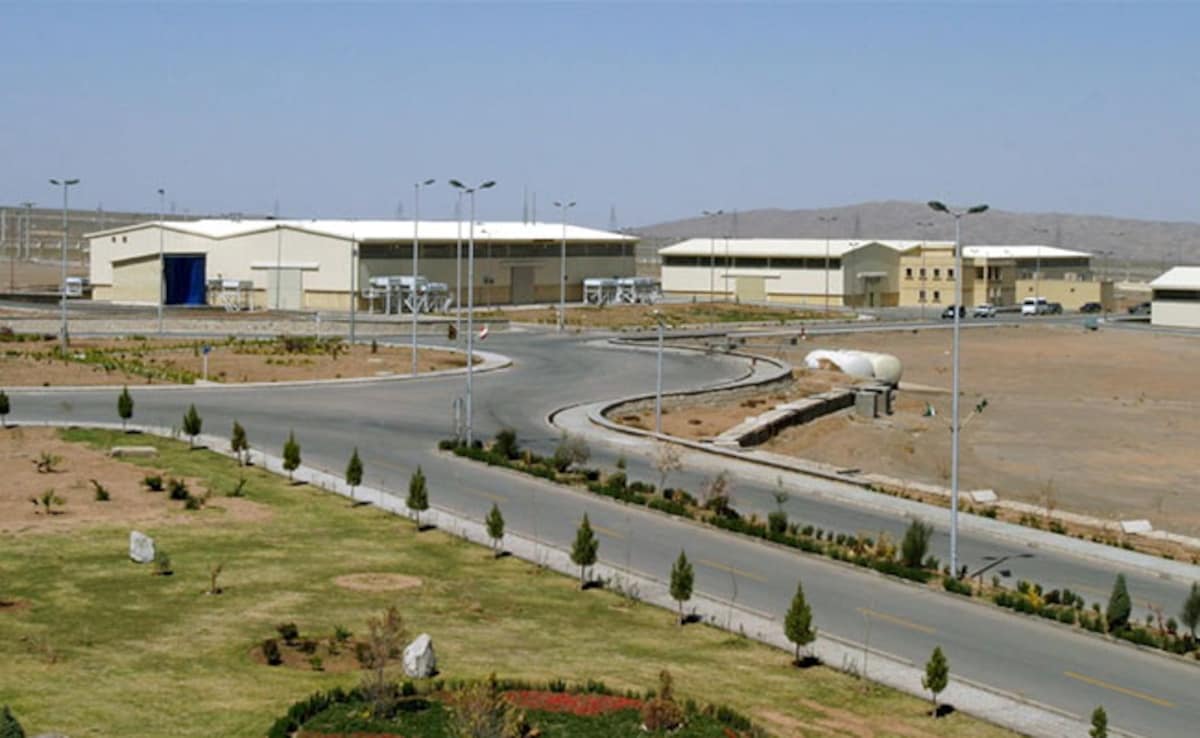
Iran just slammed the door on any hopes of shipping its stockpile of enriched uranium out of the country. Behrouz Kamalvandi, the spokesperson for the Atomic Energy Organization of Iran, made it clear. The stuff stays put. For anyone tracking the high-stakes poker game of nuclear diplomacy, this isn't just another soundbite. It's a fundamental shift in how Tehran views its leverage.
The world keeps asking the same question. Will they trade the uranium for sanctions relief? Kamalvandi’s answer was a flat no. He told reporters that the idea of transferring enriched uranium to a third country—a core component of previous deals—is off the table. This isn't a minor detail. It’s a massive roadblock for Western negotiators who see that stockpile as the biggest threat to regional stability. Learn more on a connected subject: this related article.
The leverage of the stockpile
Tehran knows exactly what it’s doing. By keeping the uranium within its borders, it maintains a "breakout" capability that keeps Washington and Brussels on edge. In the past, the 2015 Joint Comprehensive Plan of Action (JCPOA) relied on the physical removal of material. They sent it to Russia. They swapped it for natural yellowcake. But those days are gone.
The current stockpile isn't just sitting in a warehouse. It’s growing. According to the International Atomic Energy Agency (IAEA), Iran has significantly increased its inventory of uranium enriched to 60% purity. That’s a stone’s throw from the 90% needed for a weapon. When Kamalvandi says it won’t move, he’s telling the world that Iran has already crossed a threshold they don't intend to retreat from. Additional reporting by NPR explores related views on this issue.
Think about it from their perspective. They saw the U.S. walk away from the deal in 2018. Why would they ship their only real bargaining chip to a third party again? They won't. They’re holding the cards tight.
Domestic pressure and the nuclear law
This isn't just about sticking it to the West. It’s about domestic Iranian law. The "Strategic Action Plan to Lift Sanctions," passed by the Iranian parliament in late 2020, basically mandates the expansion of nuclear activities. It’s a hardline piece of legislation that ties the hands of any Iranian diplomat who might want to be "flexible."
The law requires the government to produce and store high-level enriched uranium. It forbids giving it away without massive, verified concessions that the U.S. currently isn't willing to grant. Kamalvandi is basically signaling that the technical side of the house is perfectly aligned with the hardline political side. They aren't acting rogue. They’re following a script written in Tehran.
The purity problem
We need to talk about the percentages. Most people hear "enriched uranium" and think it’s all the same. It isn’t.
- 3.67% enrichment: This was the JCPOA limit. Good for power plants.
- 20% enrichment: Technically "high-enriched." Used for medical isotopes but much closer to weapons grade.
- 60% enrichment: This is the danger zone.
Iran is currently producing 60% material at a steady clip. Converting that into 90% is a relatively quick process. By refusing to transfer this material, Iran ensures that the "time to breakout"—the window needed to make a bomb—remains dangerously short. This is the pulse of the tension.
Why the Russian option is dead
In previous years, Russia acted as the middleman. They took the enriched gas and sent back raw ore. It was a neat solution that satisfied the West's need for security and Iran's need for fuel. But the geopolitical map has changed. Russia is no longer the "neutral" facilitator in the eyes of the U.S. and Europe.
With the current state of global affairs, Iran doesn't trust the security of its assets abroad. They've seen assets frozen. They've seen sanctions bite. Keeping the uranium in deep underground facilities like Fordow or Natanz provides a level of physical and political security that no foreign warehouse can offer.
The IAEA standoff
While Kamalvandi talks about keeping the uranium, the IAEA is struggling for access. Rafael Grossi, the head of the agency, has been vocal about the "blind spots" in their monitoring. If Iran won't move the uranium and won't let the cameras record everything, we’re flying blind.
This creates a massive vacuum of information. When a country says "we aren't moving the stuff" and then blocks the people whose job it is to watch the stuff, suspicions skyrocket. It’s a classic move in international brinkmanship. You make the other side guess. You make them worry.
Technical realities vs political talk
There is a technical argument for keeping the material. Iran claims it needs the uranium for its Tehran Research Reactor to produce radiopharmaceuticals. They argue that as a sovereign nation under the NPT (Non-Proliferation Treaty), they have every right to a full fuel cycle.
But let's be real. You don't need 60% enrichment for cancer treatments. That’s a political choice. By framing it as a technical necessity, Kamalvandi is trying to give Iran's stance a veneer of scientific legitimacy. It’s a tough sell to the international community, but it plays well at home.
The impact on regional players
Israel isn't staying quiet about this. For Jerusalem, a "non-transferable" stockpile is a red line. They've hinted at "kinetic" options for years. If the uranium stays in Iran and keeps getting enriched, the risk of a regional explosion increases every day.
Saudi Arabia is also watching. If Iran keeps its stockpile and stays on the threshold, Riyadh has hinted they might want their own "balancing" capability. This isn't just a spat between D.C. and Tehran. It’s a slow-motion arms race triggered by a few tons of enriched gas that won't leave its canisters.
Breaking the stalemate
So, where does this leave us? If Iran won't move the uranium, any new deal has to look completely different from the old one. We’re talking about "blending down"—mixing enriched uranium with natural uranium to lower its purity. Or perhaps converting it into solid plates that are harder to turn back into gas for further enrichment.
But even those options require a level of trust that simply doesn't exist right now. Kamalvandi’s statement is a reminder that the old playbook is in the trash.
Don't expect a sudden change of heart. Iran has spent decades building this infrastructure. They've endured the harshest sanctions in history to keep these centrifuges spinning. They view the stockpile as their ultimate insurance policy. If you want to understand the next few months of global headlines, stop looking for a "shipment" deal. It's not happening.
Monitor the IAEA quarterly reports instead. Watch the enrichment levels at Fordow. If those numbers keep climbing while the "no transfer" policy stays in place, we are heading toward a pivot point where diplomacy might not be the primary tool anymore. Keep an eye on the production rates of the IR-6 centrifuges. That's where the real story lives. Tehran isn't just saying they won't move the uranium. They’re saying they’re ready to live with the consequences of holding it.