The iron grip of Ayatollah Ali Khamenei has finally shattered. On February 28, 2026, a massive daytime air attack by U.S. and Israeli forces leveled his compound in Tehran, ending a 37-year reign that defined modern Iran. His death, confirmed by state media on March 1, doesn't just leave a vacancy at the top. It triggers a tectonic shift in a region already on the brink.
For decades, Khamenei was the ultimate arbiter. He wasn't just a figurehead; he was the commander-in-chief, the final word on the nuclear program, and the architect of the "Axis of Resistance." Now, the Islamic Republic faces its most dangerous moment since the 1979 Revolution. You're looking at a country with no clear heir, a battered economy, and a population that has shown it’s tired of the old guard.
The chaos of choosing a successor
There's no "Vice Supreme Leader" waiting in the wings. According to Article 111 of the Iranian Constitution, the job of picking the next guy falls to the Assembly of Experts. This is a group of 88 clerics who've been vetted to ensure they’re loyal to the system. Right now, a provisional council—made up of President Masoud Pezeshkian, Judiciary Chief Gholam-Hossein Mohseni-Ejei, and a member of the Guardian Council—is keeping the seat warm.
But don't expect a smooth transition. The Assembly usually meets in secret, and the infighting is already legendary. Before his death, Khamenei reportedly refused to publicly name a successor, though rumors have swirled for years about a "top secret list." The problem is that the person they choose has to be a top-tier Islamic jurist while also commanding the respect of the Islamic Revolutionary Guard Corps (IRGC). That’s a tall order.
Who is actually in the running
If you're betting on who takes the turban, here’s the shortlist of players you need to know.
- Mojtaba Khamenei: The late leader's second son. He’s 56, he’s got deep ties to the IRGC and the intelligence services, and he’s been running his father’s office for years. The catch? Inherited power looks a lot like the monarchy Iran overthrew in 1979. Many clerics hate the idea of a "Khamenei dynasty."
- Alireza Arafi: A 67-year-old cleric who currently heads the country's seminary system. He’s the "establishment" pick—safe, academic, and deeply conservative. He’s already been appointed to the interim Leadership Council.
- Hassan Khomeini: The grandson of the Republic's founder, Ruhollah Khomeini. He’s the wild card. He’s considered a "moderate" and is popular with the younger crowd, but the hardliners have blocked him from power for a decade. If the regime wants to avoid a civil war, they might pick him to calm the streets.
- Ali Larijani: The former Majlis speaker. He’s a pragmatist who was recently appointed to lead the Supreme National Security Council. He’s got the political chops, but he might be too "moderate" for the IRGC.
The IRGC factor
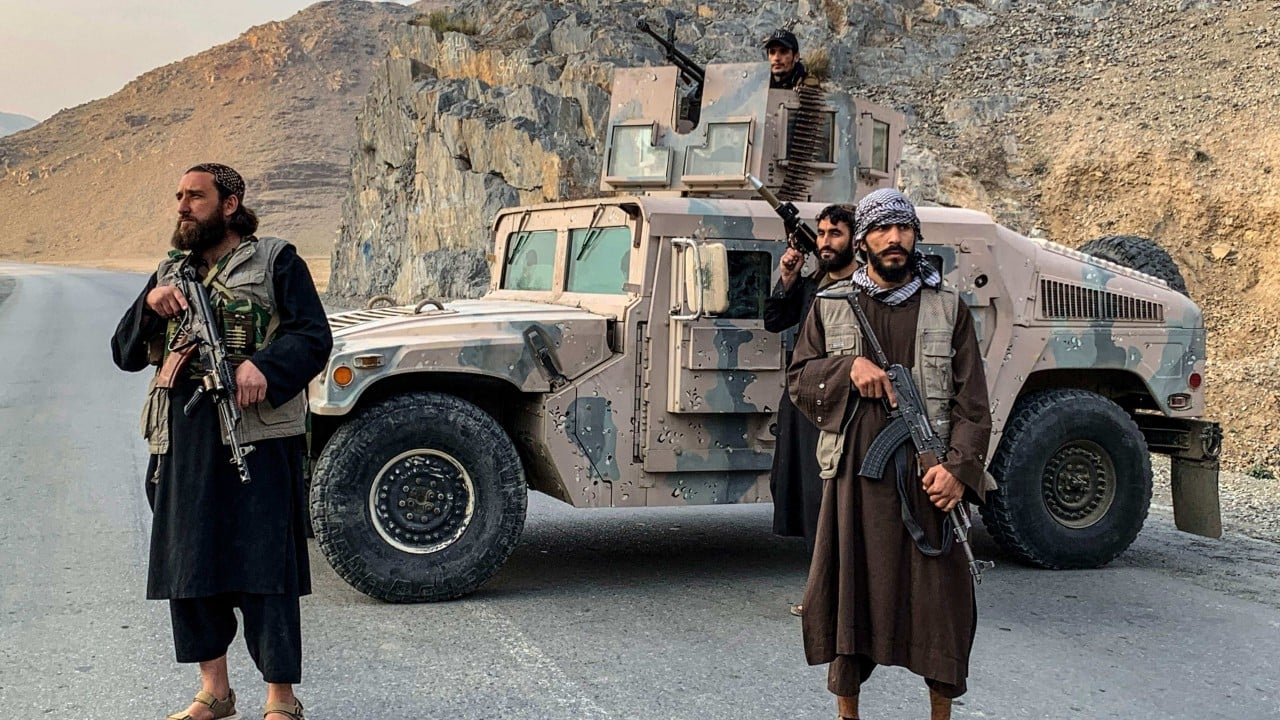
Honestly, the clerics might not even be the ones making the final call. The IRGC has spent the last 20 years turning itself into a military and economic powerhouse. They control the missiles, the ports, and the black-market oil trade. They aren't going to let some frail academic cleric tell them how to run the war against Israel.
There’s a real possibility of a "silent coup" where the military commanders install a figurehead who does exactly what they say. If that happens, Iran shifts from a theocracy to something closer to a military dictatorship.
A population at the breaking point
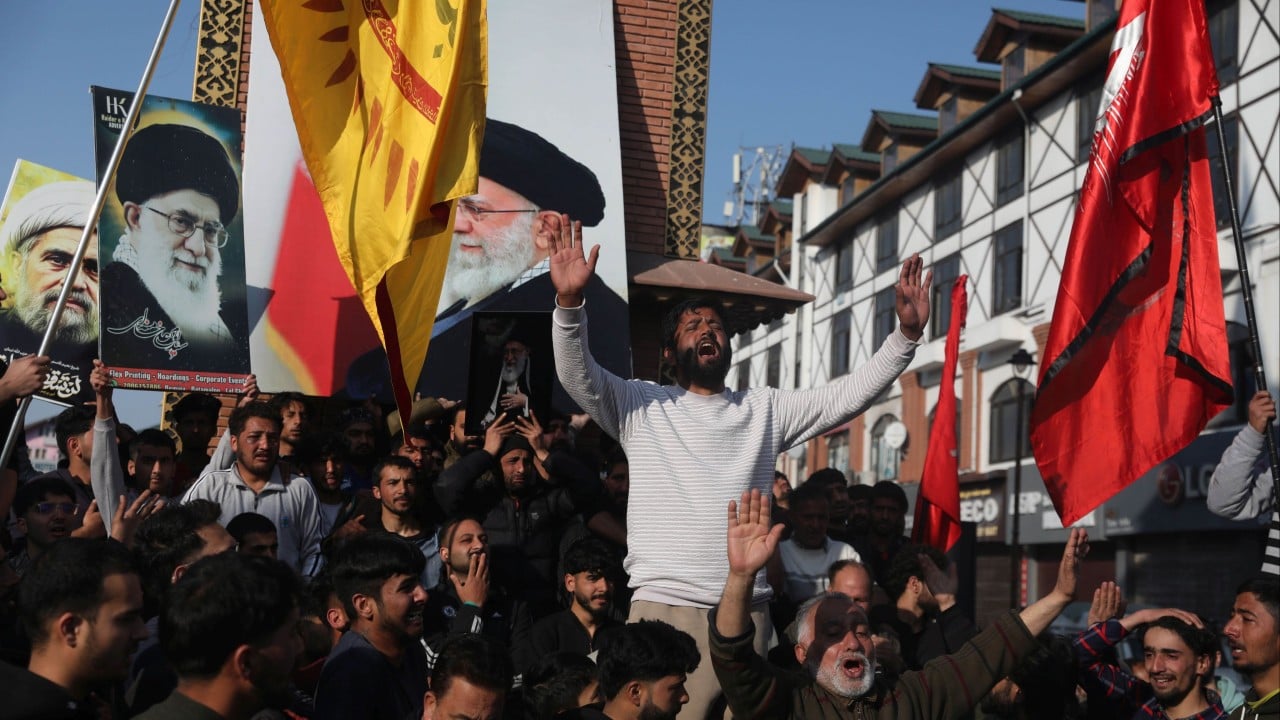
While the elites fight over the throne, the Iranian people are reacting in ways the regime didn't expect. After the news broke, videos started surfacing of people cheering in cities like Shiraz and Isfahan. Statues of Khamenei were toppled in Dehloran.
This isn't just about one man dying. It's about decades of frustration over high inflation, morality police, and a lack of basic freedoms. The "Woman, Life, Freedom" movement of 2022 never really went away; it just went underground. With the "Big Boss" gone, the fear factor has dropped significantly.
The global fallout
The timing couldn't be worse—or better, depending on who you ask. President Trump and Prime Minister Netanyahu have already cheered the assassination as "justice." Meanwhile, the White House claims some "new potential leadership" in Tehran is already signaling they might want to talk.
But don't hold your breath for a peace treaty. The "Axis of Resistance"—Hezbollah, Hamas, and the Houthis—just lost their primary patron. They’re likely to lash out to prove they’re still relevant. Hezbollah’s Naim Qassem has already vowed retaliation. We’re in a high-stakes game of chicken where one wrong move by an interim leader leads to a regional wildfire.
What happens tomorrow
The next few weeks will tell the story. Watch the streets of Tehran. If the protests grow and the IRGC refuses to shoot, the system is done. If the Assembly of Experts picks a hardliner like Mojtaba, expect the "Axis" to double down on drone strikes and proxy wars.
If you’re watching this play out, keep an eye on the official statements from the Assembly of Experts. Any delay in naming a successor longer than a week suggests a massive internal deadlock. You can also track the Rial's value; if it continues its freefall, the new leader will have a hungry, angry population to deal with before they even settle into the office. The era of Khamenei is over, but the struggle for Iran's soul is just getting started.
Monitor the state-run IRNA news agency for the official mourning schedule, as the funerals are often used as a litmus test for how much public support the regime still actually has.